Shandong HeadPowder Engineering Co., Ltd., a professional manufacturer based in Shandong, China, specializes in the design, production, and installation of advanced pneumatic conveying systems for grain materials. This article provides an in-depth look at the working principle and key features of grain material pneumatic conveying lines, highlighting how these systems efficiently transport bulk materials like grains, seeds, and other agricultural products.
Understanding the Working Principle of Grain Material Pneumatic Conveying Lines
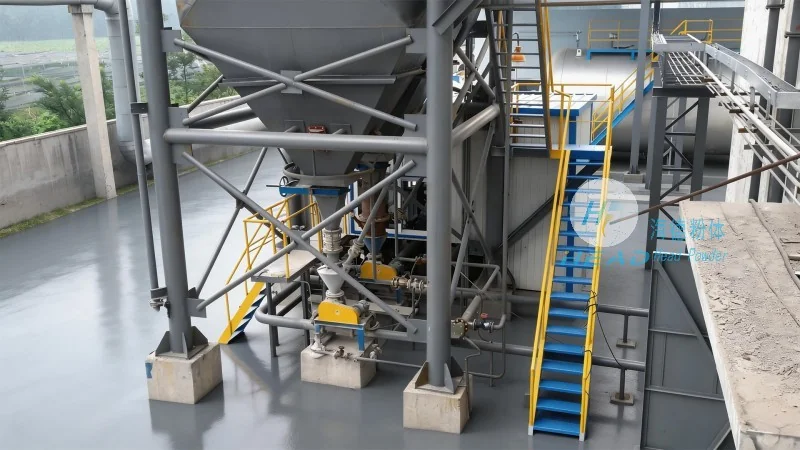
The core of a grain material pneumatic conveying line is its ability to transport bulk materials through a pipeline using air or gas as the conveying medium. The system typically operates on the principle of creating a pressure differential between the inlet and outlet of the pipeline. Air is introduced into the system, often through a blower or fan, which generates the necessary airflow to move the grain particles. The grain material is fed into the system via a hopper or feeder, and as the air flows through the pipeline, it lifts and propels the particles forward. The velocity of the air and the size of the particles determine the conveying capacity and efficiency of the system. The process involves several key components, including a feeding device, a conveying pipeline, a separation or cleaning unit, and a discharge outlet. The air flow is controlled to ensure that the grain particles are carried without excessive wear on the pipeline or equipment, maintaining the integrity of the material being transported.
Key Features of Grain Material Pneumatic Conveying Lines
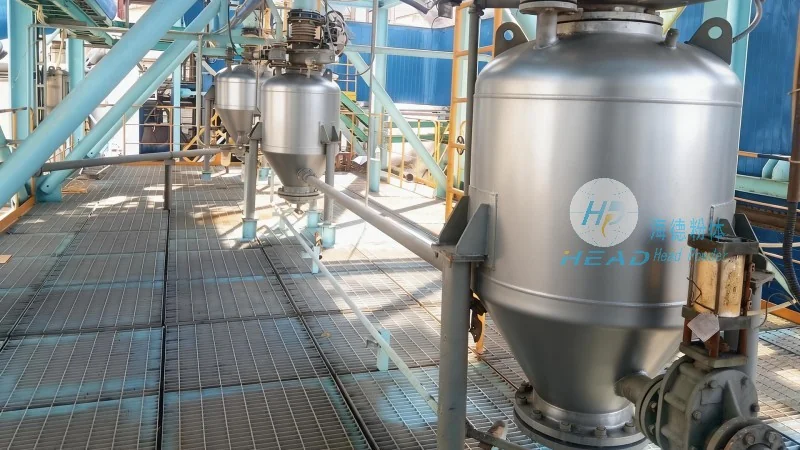
Grain material pneumatic conveying lines from Shandong HeadPowder Engineering Co., Ltd. are designed with several distinct features that enhance their performance and reliability. One of the primary features is the ability to handle a wide range of grain types and particle sizes, from fine powders to larger grains, without clogging or damage. The systems are equipped with adjustable air flow controls, allowing operators to optimize the conveying rate based on the specific material and pipeline length. Another important feature is the low maintenance requirement, as the system uses minimal moving parts and the pipeline is typically made of durable materials like stainless steel or plastic, which resist corrosion and wear from the grain particles. The design also includes features for dust control and material separation, ensuring that the grain is delivered in a clean and dry state. Additionally, the systems are energy-efficient, with modern blowers and fans designed to minimize power consumption while maintaining high conveying efficiency. The modular construction of the lines allows for easy installation and expansion, making them suitable for both new facilities and retrofitting existing operations.
Advantages and Applications in Grain Handling
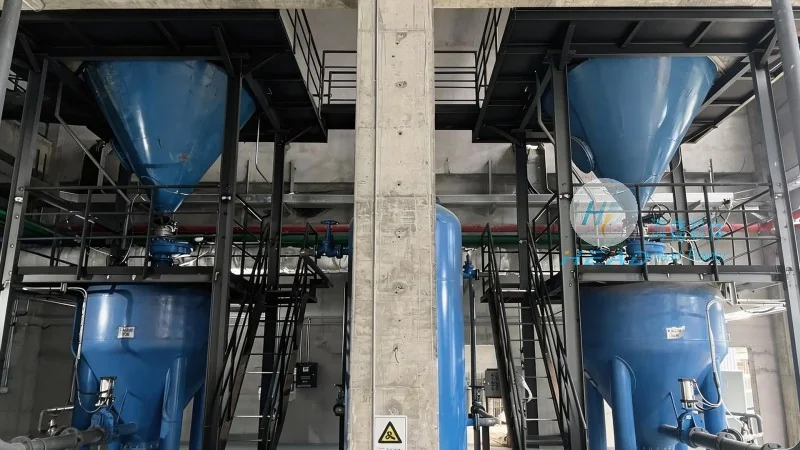
The use of pneumatic conveying systems in grain handling offers numerous advantages over traditional methods like belt conveyors or bucket elevators. The primary advantage is the ability to transport materials over long distances with minimal loss and contamination. The enclosed pipeline system prevents dust and moisture from entering the environment, improving workplace safety and reducing the risk of fire or explosion in grain storage facilities. Additionally, the systems are more hygienic, as the grain remains contained throughout the conveying process, which is critical for food-grade products. The flexibility of the system allows for multiple discharge points, enabling the grain to be distributed to different storage silos or processing units without the need for additional equipment. These features make grain material pneumatic conveying lines ideal for applications in grain storage, processing plants, and agricultural operations, where efficient and reliable material handling is essential.




