For industries dealing with gypsum sand and similar dry powders, efficient and reliable material handling is crucial. The gypsum sand powder conveying equipment, also known as a gypsum sand conveyor system, plays a vital role in transporting these materials from one location to another within a production facility. This equipment is designed to handle the unique challenges associated with gypsum sand, such as its fine particle size, moisture content, and potential for dust generation. By understanding the components and design principles of this equipment, users can ensure optimal performance and safety in their operations.
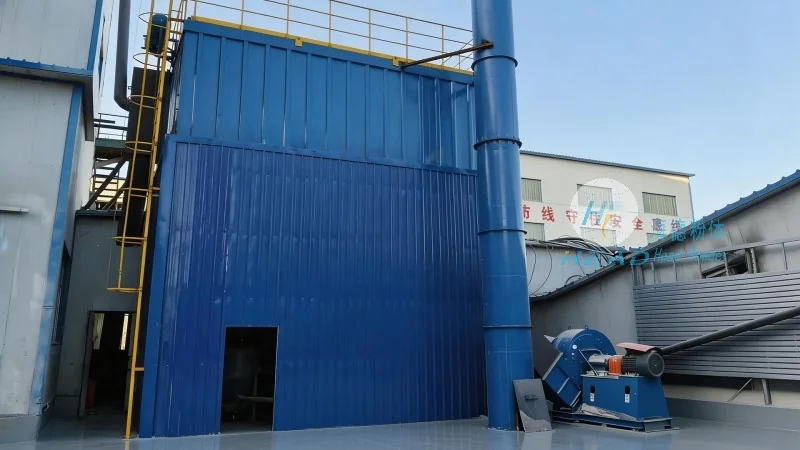
About HeadPowder: Your Partner in Powder Handling Solutions
HeadPowder, or Shandong HeadPowder Engineering Co., Ltd., is a leading manufacturer specializing in the design, development, and supply of advanced powder handling equipment. With a focus on innovation and customer-centric solutions, HeadPowder has established itself as a trusted name in the industry. HeadPowder's expertise lies in creating customized conveying systems that meet the specific needs of clients, ensuring high efficiency, low maintenance, and compliance with industry standards. The company's headquarters is located in Shandong, China, where it leverages local resources and expertise to deliver top-quality products.
Key Components of Gypsum Sand Powder Conveying Equipment
The gypsum sand powder conveying equipment typically consists of several key components that work together to ensure smooth material transport. The main parts include the hopper, which serves as the material storage and feeding unit; the conveyor mechanism, which can be of various types such as screw conveyors, pneumatic conveyors, or belt conveyors; and the control system, which regulates the operation of the equipment. The hopper is designed to prevent material bridging and ensure a consistent feed rate, while the conveyor mechanism efficiently moves the gypsum sand through the system. Additionally, the equipment may include dust collection systems to manage the fine particles and maintain a clean working environment.
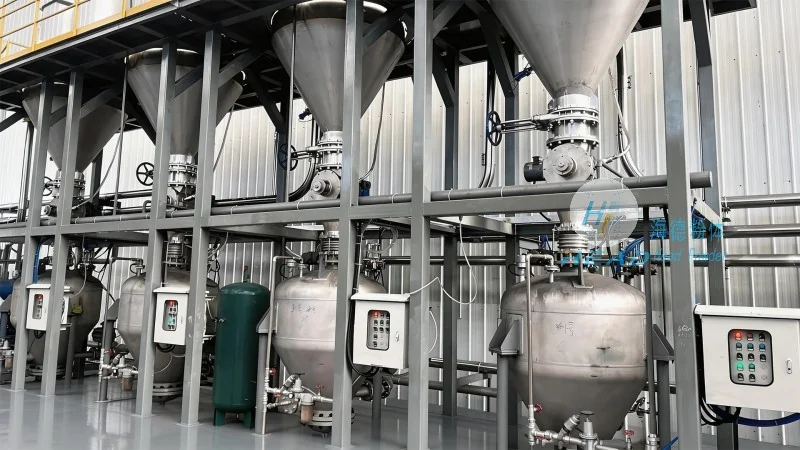
Design Principles for Efficient Gypsum Sand Conveying
The design of gypsum sand powder conveying equipment follows several key principles to ensure optimal performance. First, the equipment must be able to handle the specific physical properties of gypsum sand, including its particle size distribution, bulk density, and moisture content. The design considers factors such as the material's flowability and potential for caking, which can affect the conveyor's efficiency. Second, the equipment is designed for durability and reliability, as it operates in demanding industrial environments. Materials used in the construction, such as corrosion-resistant metals and wear-resistant components, ensure long service life and minimal downtime. Third, the design emphasizes energy efficiency and low maintenance requirements. By optimizing the conveyor's speed and power consumption, the equipment reduces operational costs while maintaining high throughput. Finally, the design incorporates safety features to protect operators and prevent accidents, such as emergency stop mechanisms and proper sealing to contain dust.
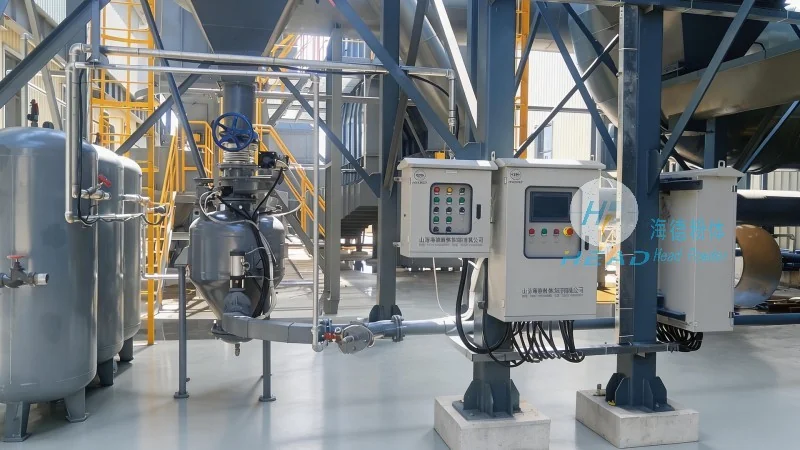
How Gypsum Sand Powder Conveying Equipment Works
The operation of gypsum sand powder conveying equipment involves a series of steps that ensure the smooth transport of materials. The process typically begins with the material being fed into the hopper from a storage silo or other source. The hopper's design, including its shape and slope, helps to prevent material bridging and ensures a consistent flow. From the hopper, the gypsum sand is then transferred to the conveyor mechanism. Depending on the type of conveyor, this may involve a screw rotating inside a tube (for screw conveyors) or a compressed air system pushing the material through a pipeline (for pneumatic conveyors). The conveyor mechanism moves the material to the discharge point, where it is collected in a receiving container or fed into the next processing stage. The control system monitors the operation, adjusting the feed rate and conveyor speed as needed to maintain optimal performance. This integrated approach ensures that the gypsum sand is conveyed efficiently and safely, minimizing losses and maximizing productivity.
Applications and Benefits of Gypsum Sand Powder Conveying Equipment
Gypsum sand powder conveying equipment is widely used in various industries that rely on gypsum sand as a raw material. These industries include construction, where gypsum sand is used in the production of plaster and drywall; agriculture, where it serves as a soil amendment; and chemical processing, where it is used in the manufacturing of various products. The benefits of using this equipment include improved material handling efficiency, reduced labor costs, and enhanced safety in the workplace. By automating the conveying process, the equipment minimizes the risk of dust exposure and other hazards associated with manual handling of gypsum sand. Additionally, the equipment's design allows for easy integration into existing production lines, reducing the need for major modifications to the facility. Overall, the gypsum sand powder conveying equipment provides a reliable and efficient solution for transporting these materials, contributing to increased productivity and operational excellence.




