HeadPowder, a leading manufacturer based in Shandong, China, specializes in the design and production of advanced powder handling systems. This article focuses on the continuous quantitative powder conveying lines, exploring their fundamental principles and typical operational scenarios to provide a comprehensive understanding of this critical equipment in industrial processes.
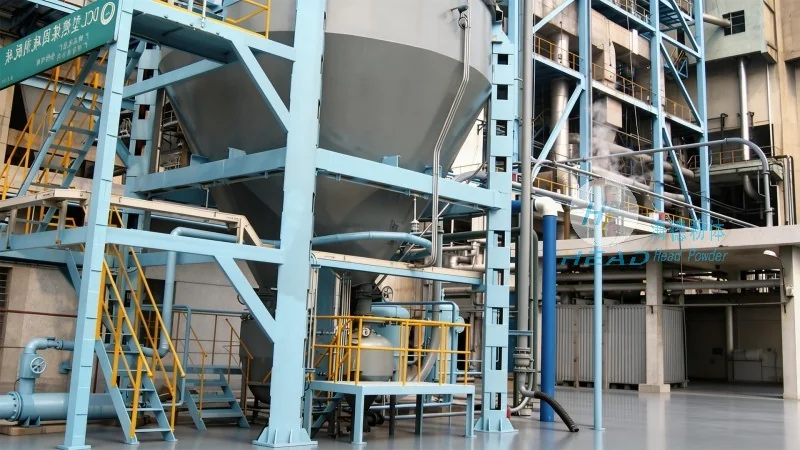
Product Overview: Continuous Quantitative Powder Conveying Lines
Continuous quantitative powder conveying lines are sophisticated systems engineered to transport and dose powders in a controlled, consistent manner. These lines are essential in industries where precise powder handling is crucial, such as pharmaceuticals, food processing, and chemical manufacturing. The core of these systems lies in their ability to maintain a steady flow rate, ensuring accurate dosing and minimizing material waste.
The Working Principle of Continuous Quantitative Powder Conveying Lines
The operation of continuous quantitative powder conveying lines is based on a combination of mechanical and pneumatic components working in tandem. Typically, the system starts with a hopper that stores the powder, which is then fed into a conveyor or screw mechanism. This mechanism transports the powder through the line while a dosing device, often a rotary valve or a precision feeder, regulates the flow. The dosing device ensures that the powder is discharged at a predetermined rate, maintaining the required quantity for downstream processes. The entire system is controlled by a programmable logic controller (PLC) or a similar automation system, allowing for real-time adjustments and monitoring of the flow rate.
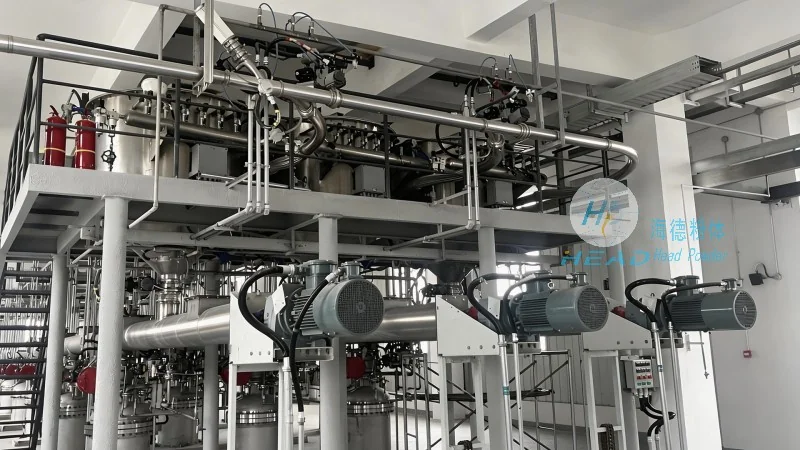
Key Components and Their Functions
Several key components contribute to the efficient operation of continuous quantitative powder conveying lines. The hopper serves as the storage vessel, providing a stable supply of powder. The conveyor or screw mechanism ensures smooth and consistent movement of the powder from the hopper to the dosing unit. The dosing device, which can be a rotary valve, vibratory feeder, or other precision equipment, is responsible for controlling the flow rate. The control system, including sensors and a PLC, monitors the flow and adjusts the operation as needed to maintain accuracy. Additionally, dust collection systems are often integrated to ensure a clean and safe working environment, as powders can be fine and potentially hazardous.
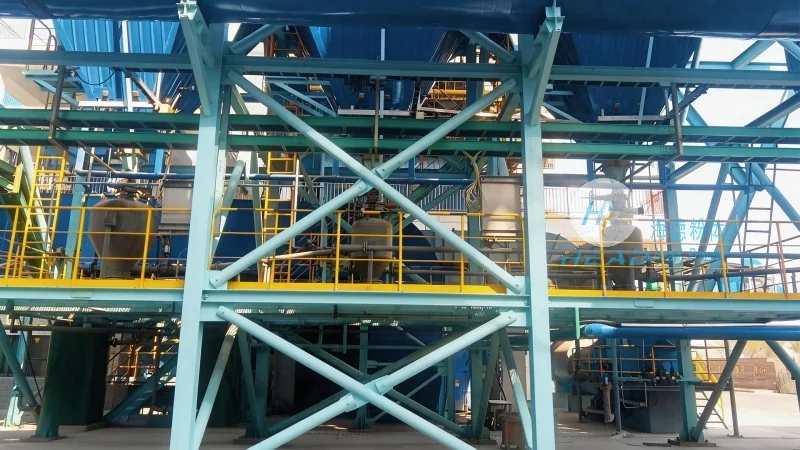
Typical Application Scenarios
Continuous quantitative powder conveying lines are widely used in various industrial applications where precise powder handling is essential. In the pharmaceutical industry, these systems are used to transport active pharmaceutical ingredients (APIs) and excipients with high accuracy, ensuring consistent drug formulations. In food processing, they are employed to handle ingredients like flour, sugar, and spices, maintaining the quality and safety of food products. In chemical manufacturing, they are used to convey raw materials and intermediates, supporting the production of chemicals and other industrial products. The versatility of these lines makes them suitable for a wide range of applications, from small-scale laboratory operations to large-scale industrial production lines.
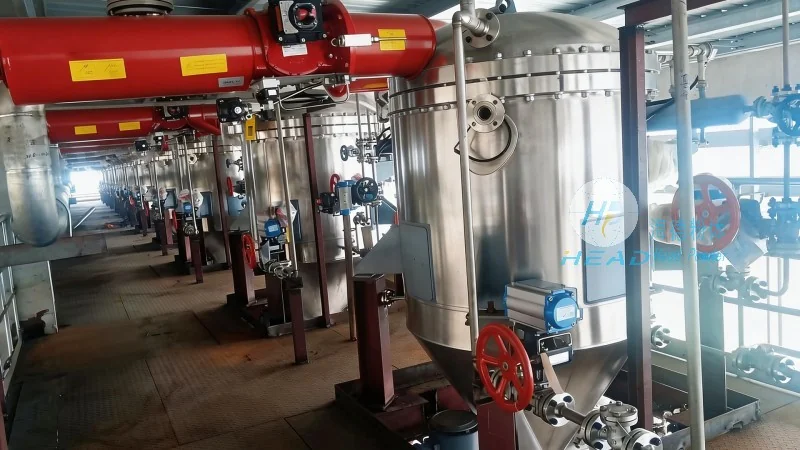
Advantages of Continuous Quantitative Powder Conveying Lines
Implementing continuous quantitative powder conveying lines offers several advantages over traditional batch processing methods. Firstly, they provide high accuracy and repeatability in powder dosing, reducing the risk of product variability and waste. Secondly, they enhance operational efficiency by allowing for continuous production without the need for frequent manual adjustments. Thirdly, they improve safety by minimizing exposure to powders and reducing the risk of dust explosions through integrated dust collection systems. Finally, these systems are highly adaptable, allowing for easy integration into existing production lines and customization to meet specific process requirements.
Conclusion
Continuous quantitative powder conveying lines are a critical component in modern industrial processes, offering precise, efficient, and safe powder handling solutions. By understanding their working principles and typical applications, industries can leverage these systems to improve product quality, reduce costs, and enhance overall operational performance. HeadPowder, with its expertise in powder handling technology, continues to provide reliable and advanced solutions to meet the evolving needs of various industries.




