Clay sand powder conveying lines are essential systems in industrial processes, particularly in foundries and material handling applications. These systems are designed to transport clay sand, a critical raw material in sand casting, with efficiency and precision. The following content explores the fundamental principles behind these conveying lines and highlights their key working scene characteristics.
Core Principles of Clay Sand Powder Conveying Systems
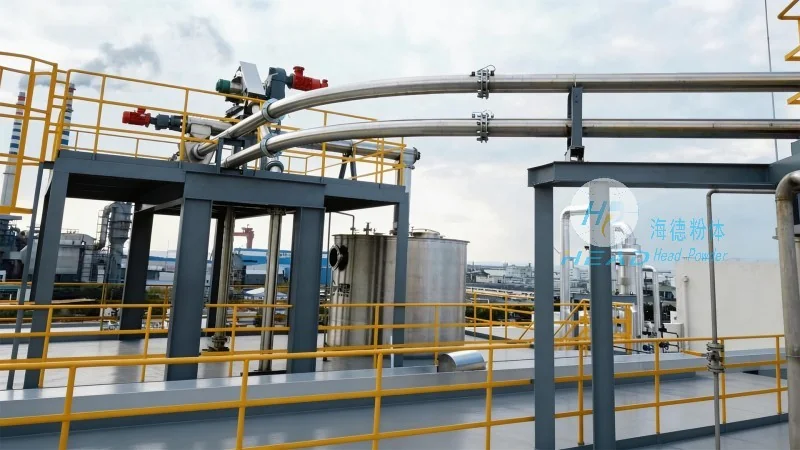
The operation of clay sand powder conveying lines is based on several core principles that ensure reliable material transport. One of the primary principles is the use of air pressure or vacuum to move the powder through a pipeline. This method, known as pneumatic conveying, is widely adopted due to its ability to handle fine powders like clay sand without causing degradation or segregation. The system typically consists of a hopper, a conveyor line, and a control unit. The hopper stores the clay sand, and the conveyor line, often equipped with a rotary valve or feeder, regulates the flow of material into the pipeline. The control unit manages the air pressure, ensuring consistent and controlled movement of the powder. Additionally, the design incorporates features such as dust collection and filtration to maintain air quality and prevent material loss. These principles collectively enable the efficient and safe transport of clay sand from storage to processing areas.
Working Scene Characteristics of Clay Sand Powder Conveying Lines
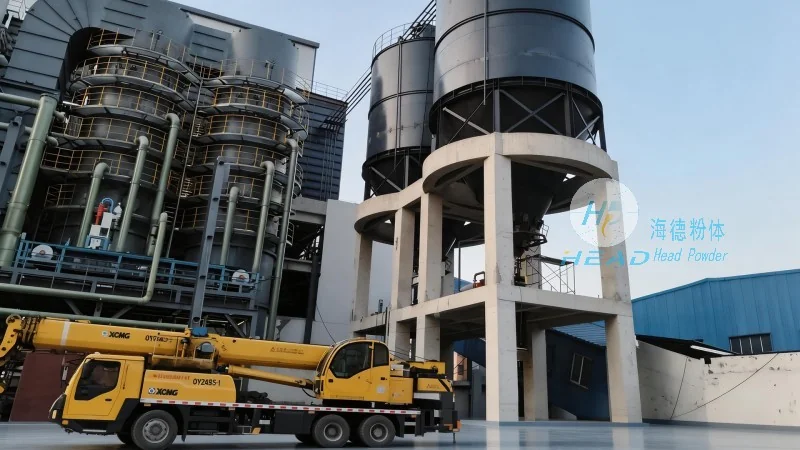
The working scene characteristics of clay sand powder conveying lines vary based on the specific industrial application and operational environment. In foundry operations, for instance, these systems are commonly used to transport clay sand from bulk storage to molding machines. The key characteristics in this scenario include high material throughput, as foundries require large volumes of clay sand for production. The conveying lines are often integrated with other equipment, such as mixers and molding machines, to form a continuous production line. This integration ensures that the clay sand is delivered in the correct quantity and at the right time, minimizing downtime and improving overall productivity. Another important characteristic is the need for precise control over the material flow. In foundry applications, the quality of the sand mixture directly impacts the quality of the castings, so the conveying system must maintain consistent flow rates and avoid material segregation. This is achieved through advanced control systems that monitor and adjust the air pressure and material feed rate in real-time. Furthermore, the working environment in foundries is often dusty and requires robust equipment that can withstand harsh conditions. The clay sand powder conveying lines are designed with durable materials and sealed components to prevent dust leakage and ensure long-term operation.
Application in Construction Material Processing
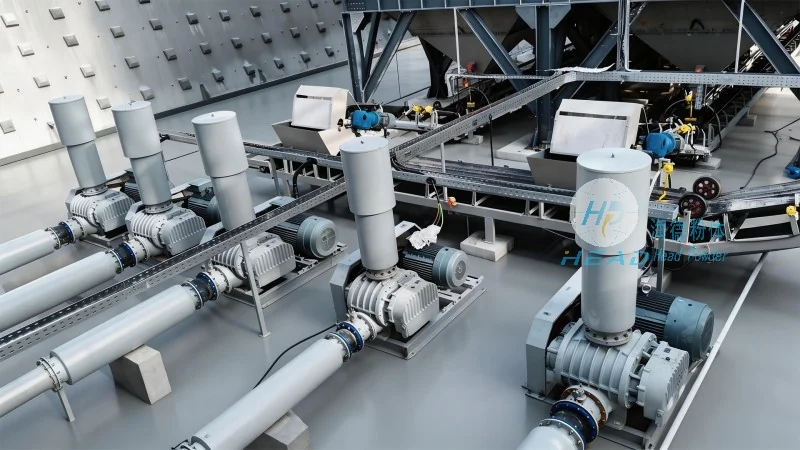
Clay sand powder conveying lines are also utilized in the construction material processing industry, where they transport clay sand for use in concrete and mortar production. In this application, the system must handle larger particles and higher moisture content compared to foundry applications. The working scene characteristics here include the need for higher air pressure to overcome the increased resistance from larger particles and higher moisture levels. The conveying lines are typically equipped with larger diameter pipelines and more powerful blowers to ensure efficient transport. The control systems in this scenario are designed to handle variable material feed rates, as the construction industry often has fluctuating demand for clay sand. Additionally, the system must be capable of handling different types of clay sand, such as natural clay or processed clay, without causing clogging or degradation. This flexibility is achieved through adjustable feeder settings and cleaning mechanisms that prevent material buildup in the pipeline. The working environment in construction material processing is often outdoors or in large warehouses, requiring the conveying lines to be weather-resistant and easy to maintain. The design of these systems includes features like weatherproof enclosures and accessible maintenance points to ensure reliable operation in various conditions.
Advantages and Benefits of Clay Sand Powder Conveying Lines
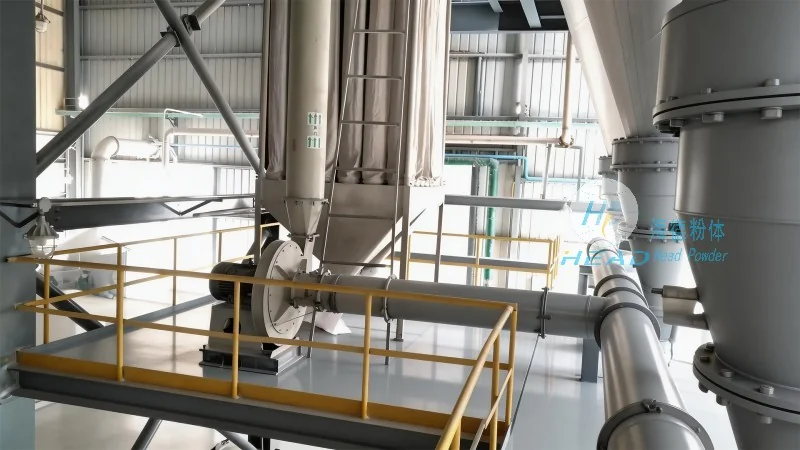
Clay sand powder conveying lines offer several advantages that make them a preferred choice in industrial applications. One of the primary benefits is the ability to transport fine powders like clay sand without the need for mechanical components that could cause wear or clogging. This results in lower maintenance costs and longer equipment life. Additionally, the pneumatic conveying method allows for the integration of dust collection and filtration systems, which improves air quality and reduces environmental impact. The systems are also highly flexible, as they can be easily adjusted to handle different material types and flow rates. This adaptability makes them suitable for various industrial processes, from foundry operations to construction material processing. Another advantage is the ability to transport materials over long distances without the need for multiple transfer points. The continuous pipeline design minimizes material loss and ensures consistent delivery. Furthermore, the control systems in modern clay sand powder conveying lines are highly advanced, allowing for real-time monitoring and adjustment of the operation. This enables operators to optimize the system performance and reduce energy consumption. The overall benefits of these systems include increased productivity, reduced labor costs, and improved product quality, making them a valuable investment for industrial companies.




