Perlite powder conveying systems are essential equipment in industrial applications, particularly for handling lightweight, abrasive, and low-density materials like perlite. Understanding the underlying principles and operational characteristics of these systems is crucial for optimizing material handling processes and ensuring efficient production. This article explores the fundamental mechanisms of perlite powder conveying systems, along with key working scene characteristics that define their effectiveness in various industrial settings.
Core Principles of Perlite Powder Conveying Systems
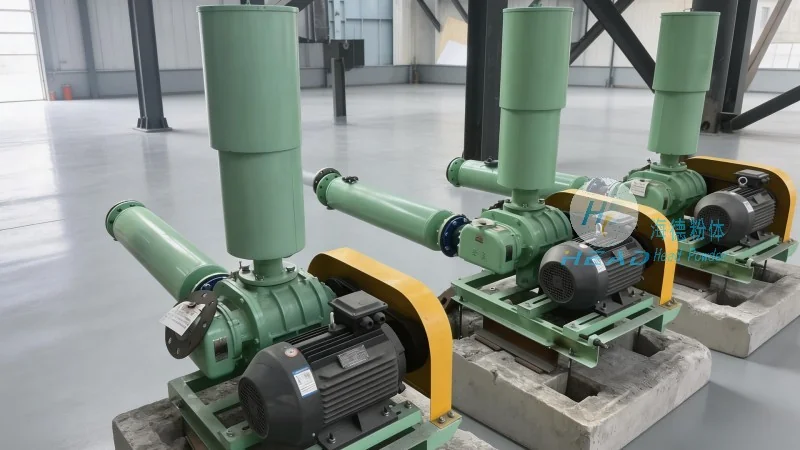
The operation of perlite powder conveying systems is based on several key principles that enable the reliable transport of fine, dry powders. These systems typically utilize pneumatic or mechanical methods to move materials through pipelines or ducts. Pneumatic conveying systems, for instance, rely on compressed air to create a flow that carries the powder particles, while mechanical systems may employ screw conveyors, belt conveyors, or rotary valves to transport the material. The choice of conveying method depends on factors such as material properties, required conveying distance, and system efficiency. For perlite, which is a lightweight, non-combustible, and chemically inert material, pneumatic conveying is often preferred due to its ability to handle fine powders without causing excessive wear or blockages. The system's design must account for the material's low bulk density and tendency to create dust, requiring proper filtration and sealing to maintain air quality and prevent material loss.
Working Scene Characteristics of Perlite Powder Conveying Systems
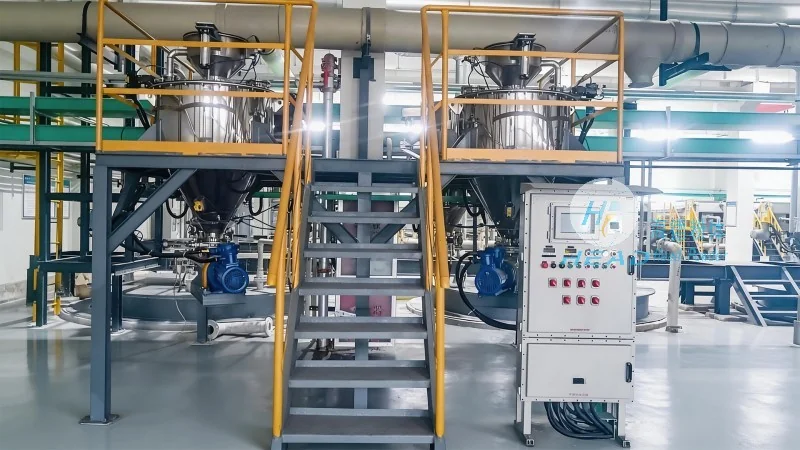
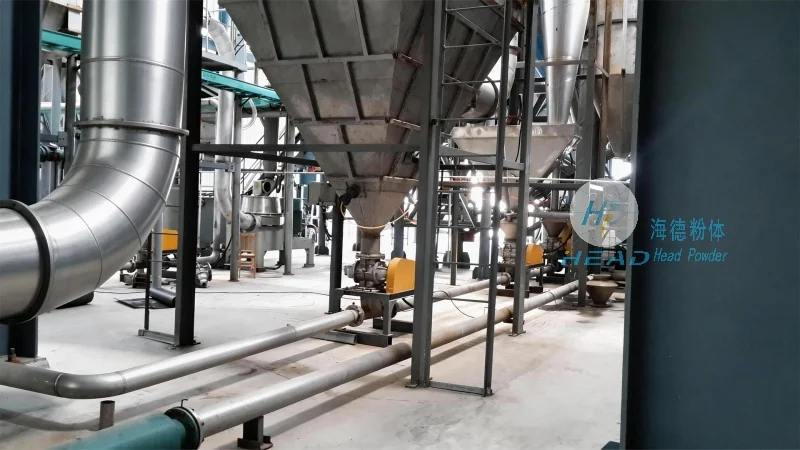
The effectiveness of perlite powder conveying systems is heavily influenced by the specific working scenes in which they are deployed. These characteristics include the scale of operation, the environment, and the integration with other industrial processes. In large-scale industrial plants, such as those involved in construction material production or chemical processing, these systems are often part of a larger material handling network. The working scene may involve high-volume material transport over long distances, requiring robust and durable equipment that can withstand continuous operation. Environmental factors, such as temperature and humidity, also play a role, as perlite is sensitive to moisture, which can affect its properties and the system's performance. Additionally, the working scene may include multiple processing stages, where the conveying system connects different equipment like storage silos, mixers, and processing units. The characteristics of the working scene, including the need for dust control and safety measures, are critical in determining the system's design and operational parameters. For example, in a perlite processing plant, the conveying system may need to handle material from storage silos to a drying or grinding unit, requiring precise control over flow rates and pressure to maintain product quality.
Company Profile: Shandong HeadPowder Engineering Co., Ltd.
HeadPowder, a leading manufacturer of specialized powder handling equipment, specializes in designing and manufacturing efficient perlite powder conveying systems. With a strong focus on industrial applications, the company's products are engineered to meet the unique demands of handling perlite and other fine powders. HeadPowder's expertise lies in understanding the material properties of perlite and adapting conveying systems to optimize performance. The company's facilities are located in Shandong, China, where it leverages advanced technology and rigorous quality control to ensure its equipment meets international standards. By combining innovative design with practical application, HeadPowder provides reliable solutions for industries that rely on efficient material transport. The company's commitment to customer satisfaction and product excellence has established it as a trusted partner in the powder handling industry.




