HeadPowder, a professional manufacturer based in Shandong, China, specializes in providing advanced solutions for petroleum coke powder conveying systems. This article delves into the fundamental principles and operational characteristics of such equipment, highlighting its design, functionality, and typical application environments.
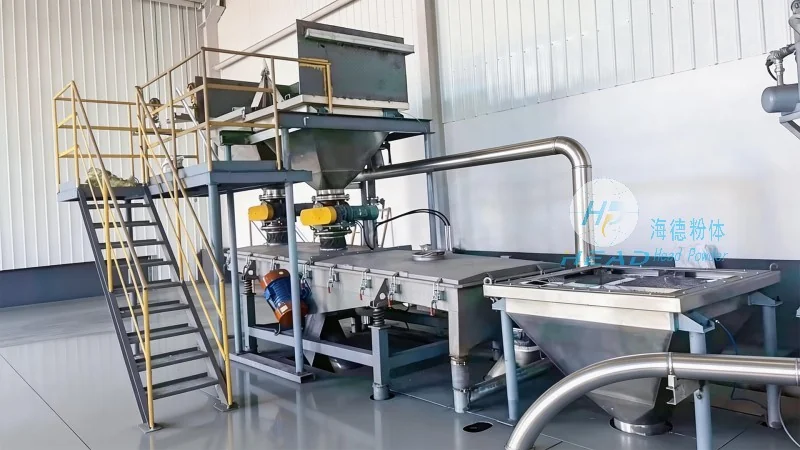
Company Overview and Background
Shandong HeadPowder Engineering Co., Ltd. is dedicated to innovation in powder handling technology. With a focus on efficiency and reliability, the company has developed cutting-edge equipment tailored to the unique demands of petroleum coke processing. HeadPowder's expertise lies in creating systems that ensure safe, efficient, and cost-effective material transport, addressing the challenges faced by industries relying on petroleum coke as a key raw material.
The Principle of Petroleum Coke Powder Conveying Systems
At the core of petroleum coke powder conveying systems is the integration of several mechanical and pneumatic components designed to handle the abrasive and high-density nature of petroleum coke. The system typically operates on a pneumatic or mechanical basis, with the choice of method depending on the specific requirements of the application. A pneumatic conveying system, for instance, uses compressed air to transport the powder through a network of pipes, while mechanical systems may employ screw conveyors or belt conveyors for bulk material movement. The principle revolves around maintaining consistent material flow, preventing blockages, and ensuring minimal degradation of the coke particles during transport.
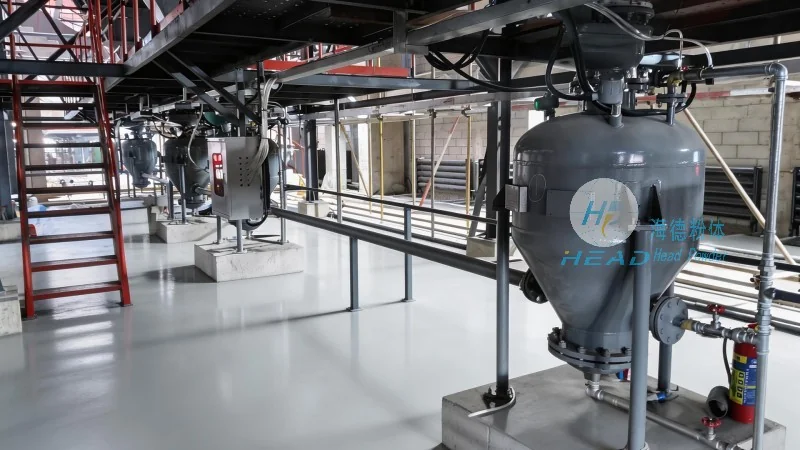
Key Working Scene Characteristics
The working scene characteristics of petroleum coke powder conveying systems are shaped by the industrial environment in which they operate. These systems are commonly found in power plants, steel mills, and petrochemical facilities, where large volumes of petroleum coke are processed and transported. The equipment must be robust enough to withstand the harsh conditions, including high temperatures, dust, and the abrasive nature of the material. Additionally, the systems are designed for high throughput, often handling thousands of tons of coke per day, and require precise control to maintain operational efficiency. The working environment also demands compliance with safety regulations, as the transport of powders can pose explosion risks if not properly managed. Therefore, the design incorporates features such as explosion-proof components and dust suppression systems to ensure safe operation.
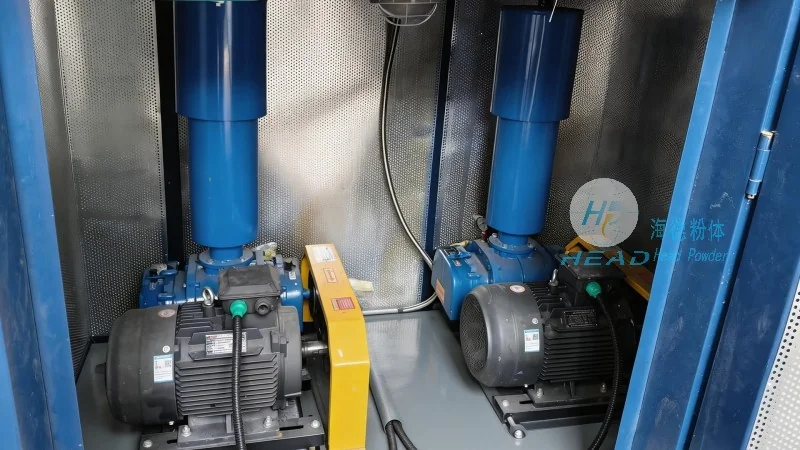
Application-Specific Design Considerations
When designing petroleum coke powder conveying systems, engineers must consider several factors to optimize performance. The system's layout is crucial, as it affects the efficiency of material transport and the overall cost of operation. The choice of materials for the conveying components, such as the pipes and valves, is critical to resist corrosion and wear from the coke particles. For example, stainless steel or special alloys may be used to extend the lifespan of the equipment. Furthermore, the system's control mechanisms, including sensors and automation, play a vital role in maintaining consistent flow rates and detecting potential issues like blockages or pressure drops. These features enhance the reliability of the system and reduce downtime, which is essential for continuous industrial operations.
Conclusion and Industry Impact
Petroleum coke powder conveying systems are essential for the efficient processing and transport of petroleum coke in various industrial applications. By understanding the underlying principles and working scene characteristics, industries can select and implement the most suitable equipment to meet their operational needs. The advanced technology and robust design of these systems contribute to improved productivity, reduced maintenance costs, and enhanced safety in the handling of petroleum coke. As a leading manufacturer in this field, Shandong HeadPowder Engineering Co., Ltd. continues to innovate, providing tailored solutions that address the evolving demands of the industry.




