HeadPowder, a leading engineering company based in Shandong, China, specializes in the design and implementation of efficient material handling solutions for agricultural and industrial applications. This article explores the fundamental principles behind dry soybean material conveying systems, as well as the specific working scene characteristics that define their operational effectiveness.
The Core Principles of Dry Soybean Material Conveying
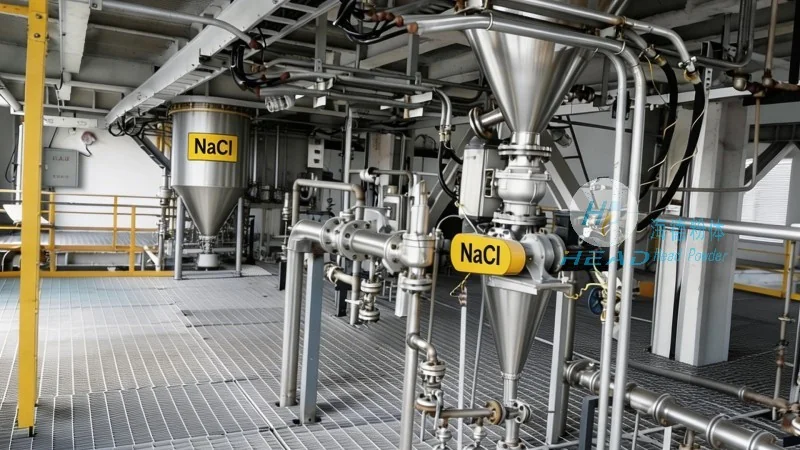
Dry soybean material conveying systems are engineered to transport bulk dry soybeans from one location to another within processing facilities, storage yards, or transportation hubs. The primary principle revolves around the use of mechanical equipment to move the material through a controlled path, ensuring minimal loss, contamination, and energy consumption. Key components typically include conveyor belts, screw conveyors, bucket elevators, and pneumatic systems, each tailored to handle the unique physical properties of dry soybeans—such as their size, density, and moisture content. The design of these systems prioritizes durability, as soybeans can be abrasive and require robust materials to prevent wear and tear. Additionally, the systems are often equipped with variable speed drives and sensors to maintain consistent flow rates and detect blockages or jams, which are critical for preventing material buildup and ensuring smooth operation.
Working Scene Characteristics of Dry Soybean Conveying Systems
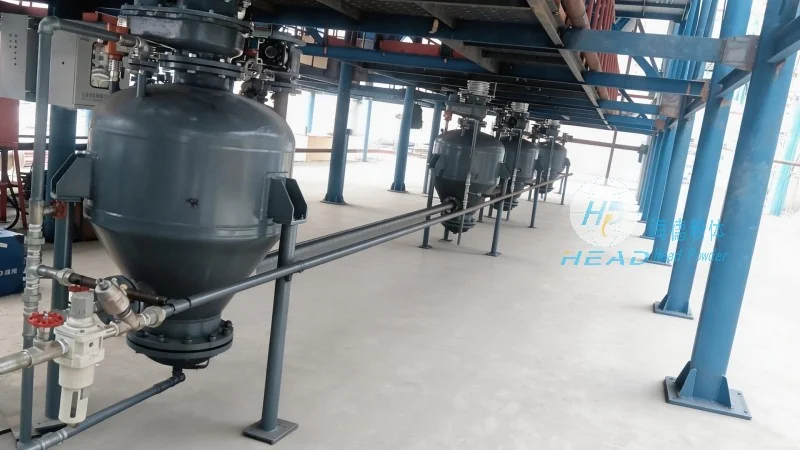
The working scene characteristics of dry soybean material conveying systems are shaped by the specific environment in which they operate. These systems are commonly found in large-scale soybean processing plants, where they play a vital role in moving raw soybeans from reception areas to processing lines, such as hulling, dehulling, or crushing. In such industrial settings, the systems must handle high volumes of material, often operating continuously for extended periods, which demands reliable and low-maintenance equipment. Another key working scene is in agricultural storage facilities, where conveyors are used to transfer soybeans from storage bins or silos to trucks or other transport vehicles. Here, the focus is on efficient unloading and loading processes, minimizing downtime and ensuring that the material remains dry and free from spoilage. The characteristics of the working scene also influence the choice of conveyor type—for example, bucket elevators are preferred in vertical applications where space is limited, while belt conveyors are ideal for horizontal or inclined transport over longer distances. Furthermore, the systems are designed to integrate seamlessly with other processing equipment, such as hoppers, screens, and storage tanks, creating a cohesive material handling workflow that optimizes productivity and reduces labor costs.
Key Advantages and Operational Efficiency
HeadPowder’s dry soybean material conveying systems offer several advantages that make them a preferred choice for soybean processing and storage operations. One of the most significant benefits is their ability to maintain the quality of the soybeans during transport. By using enclosed or covered conveyor systems, the equipment prevents exposure to dust, moisture, or contaminants, which can affect the nutritional value and marketability of the product. Additionally, the systems are designed to minimize material degradation, such as breakage or bruising, which is crucial for maintaining the integrity of the soybeans for further processing or sale. From an operational standpoint, these systems enhance efficiency by automating the material handling process, reducing the need for manual labor and minimizing the risk of human error. The use of advanced control systems allows for real-time monitoring of flow rates, temperature, and other parameters, enabling operators to quickly address any issues and maintain optimal performance. Furthermore, the durability of the equipment, combined with regular maintenance protocols, ensures long-term reliability and reduces downtime, which is critical for maintaining production schedules and meeting customer demands.
Conclusion
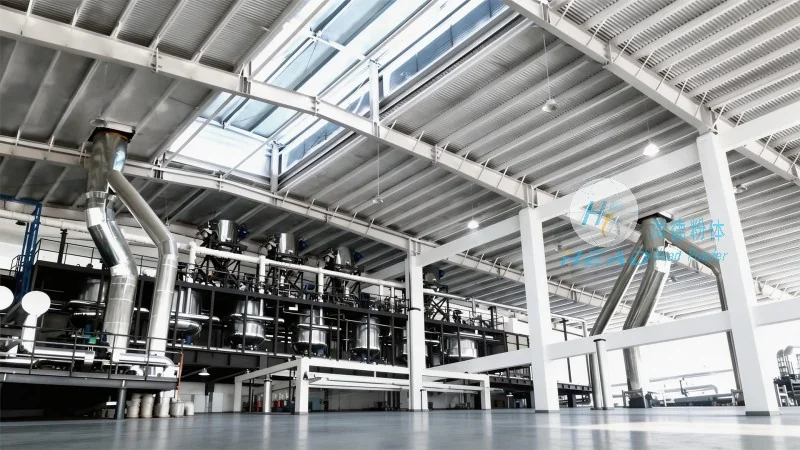
HeadPowder Engineering Co., Ltd., based in Shandong, China, provides comprehensive solutions for dry soybean material conveying systems that are tailored to the specific needs of agricultural and industrial applications. By understanding the core principles of material handling and the unique characteristics of working scenes, these systems deliver efficient, reliable, and cost-effective transport of dry soybeans. Whether used in processing plants, storage facilities, or transportation hubs, the systems from HeadPowder are designed to enhance productivity, maintain product quality, and support the overall success of soybean operations. With a focus on durability, automation, and integration, these conveying systems represent a vital component of modern soybean processing and handling infrastructure.




