Hydrogen chloride (HCl) is a highly corrosive and hazardous chemical widely used in various industrial processes, such as chemical synthesis, pharmaceutical manufacturing, and metal processing. The safe and efficient transportation of HCl is critical to ensure operational safety and product quality. This article explores the principles and working characteristics of specialized equipment designed for handling and transporting hydrogen chloride, with a focus on the systems and scenarios where these devices are applied.
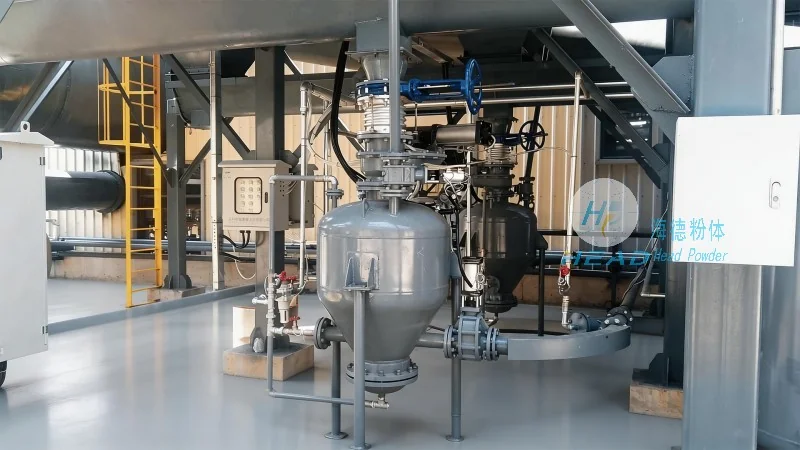
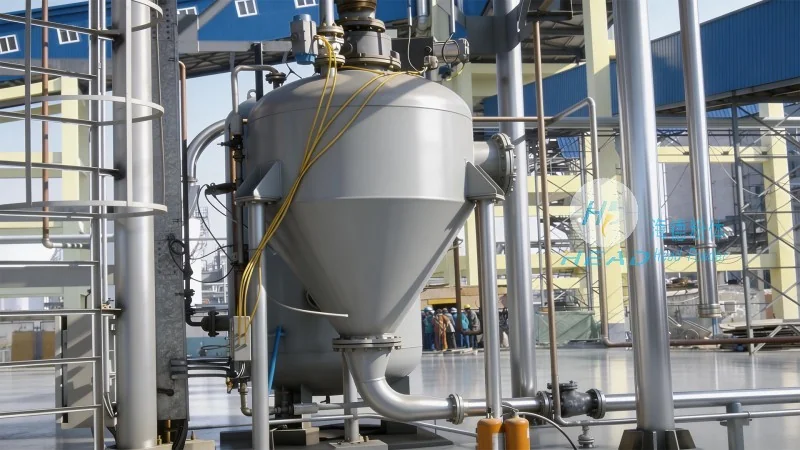
Principle of Hydrogen Chloride Material Handling Systems
The core principle of hydrogen chloride material handling systems lies in the design of equipment that can safely contain, transfer, and control the flow of HCl gas or its aqueous solutions. These systems typically incorporate robust materials of construction, such as corrosion-resistant metals like stainless steel, titanium, or specialized alloys, to withstand the aggressive nature of HCl. The equipment is engineered to maintain a closed system, minimizing exposure risks and preventing leaks that could lead to environmental contamination or safety hazards. Key components include pumps, valves, pipelines, and storage tanks, all configured to operate under controlled pressure and temperature conditions. The system's design also emphasizes leak detection and safety interlocks to ensure immediate shutdown in case of abnormal conditions, thereby safeguarding personnel and equipment.
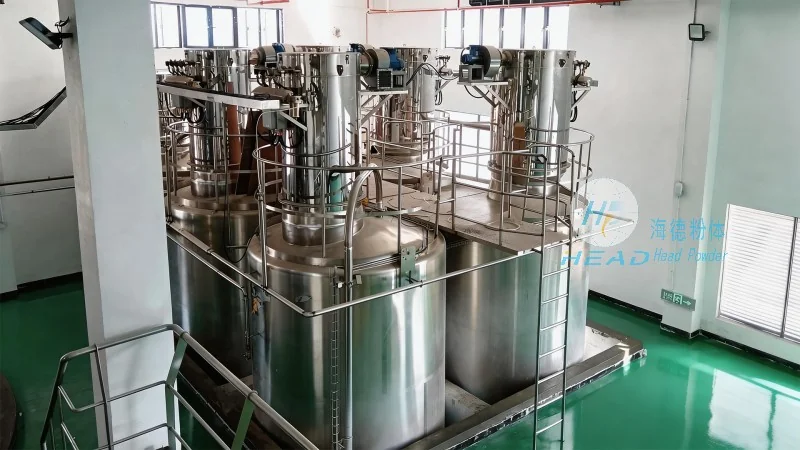
Working Scene Characteristics of Hydrogen Chloride Material Handling Equipment
Hydrogen chloride material handling systems are deployed in diverse industrial environments, each with unique operational requirements. For instance, in chemical production facilities, these systems are used to transfer HCl from storage tanks to reactors or processing units, often under high pressure and temperature. The working scene may involve continuous or batch processing, requiring equipment that can handle varying flow rates and concentrations. In pharmaceutical or fine chemical manufacturing, the systems must adhere to stringent purity and contamination control standards, necessitating ultra-clean designs and precise flow control mechanisms. Additionally, in metal processing industries, HCl is used for pickling and cleaning operations, where the equipment must be capable of handling corrosive solutions and maintaining consistent performance under harsh conditions. The working scene characteristics also include considerations for space constraints, integration with existing plant infrastructure, and compliance with local safety regulations. Each application demands a tailored approach to system design, ensuring optimal performance while maintaining safety and efficiency.
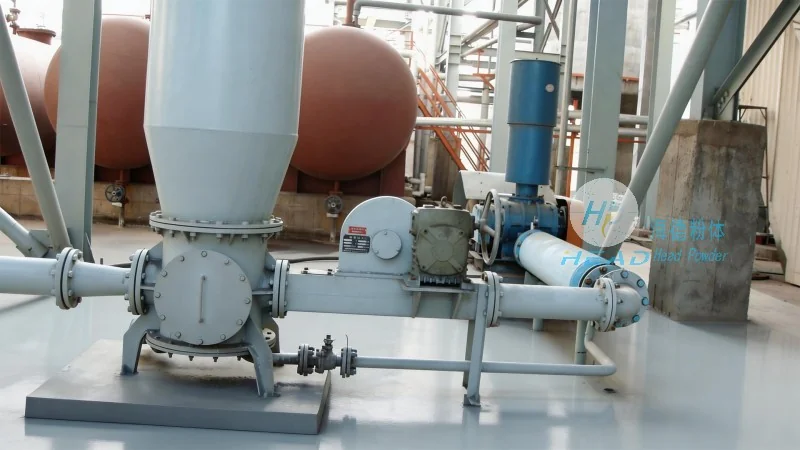
Company Overview: Shandong HeadPowder Engineering Co., Ltd.
HeadPowder, a leading provider of engineering solutions for chemical processing, specializes in the design, manufacturing, and installation of hydrogen chloride material handling systems. With a strong commitment to safety and innovation, the company leverages advanced materials science and engineering expertise to develop customized solutions that meet the specific needs of its clients. HeadPowder's facilities are located in Shandong, China, where the company operates a state-of-the-art production base equipped with modern manufacturing equipment and quality control systems. The company's team of experienced engineers and technicians work closely with clients to understand their operational challenges and provide tailored equipment solutions. By focusing on reliability, durability, and safety, HeadPowder has established itself as a trusted partner in the chemical processing industry, delivering high-quality hydrogen chloride handling systems that enhance operational efficiency and reduce risks.




