Small stone material handling systems are essential in various industrial applications, particularly in the processing and transportation of aggregates, crushed stones, and similar bulk materials. These systems are designed to efficiently move small stones from one location to another, ensuring smooth workflow and enhanced productivity in construction, mining, and manufacturing sectors. The equipment typically includes components such as conveyors, feeders, and control mechanisms, all working in tandem to achieve optimal material handling performance.
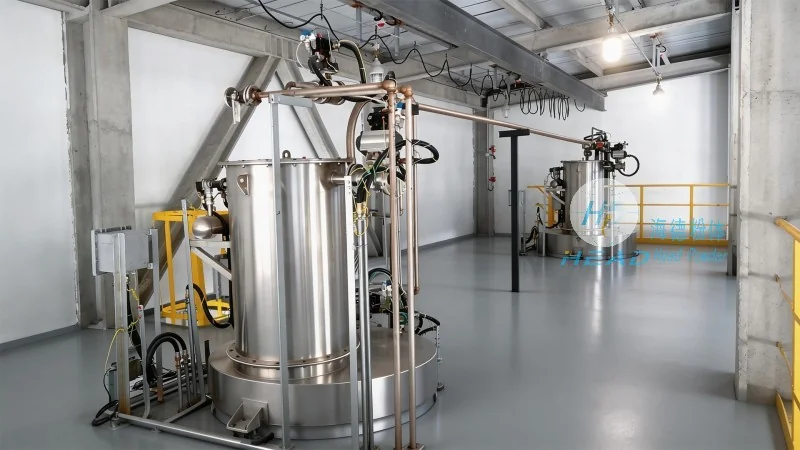
Working Principle of the Material Handling System
The core principle of small stone material handling systems revolves around the use of mechanical energy to transport bulk materials. The system often employs belt conveyors, screw conveyors, or bucket elevators, depending on the specific application and material characteristics. For instance, belt conveyors are widely used due to their high load capacity and ability to handle a variety of materials, including small stones. The working process begins with the material being fed into the system, where it is then conveyed along the path defined by the conveyor belt or other components. The system may also incorporate feeding mechanisms, such as hoppers or feeders, to regulate the flow of material and prevent overloading. Control systems, often integrated with sensors and variable frequency drives, ensure precise operation, adjusting speed and torque based on real-time conditions to maintain efficiency and safety.
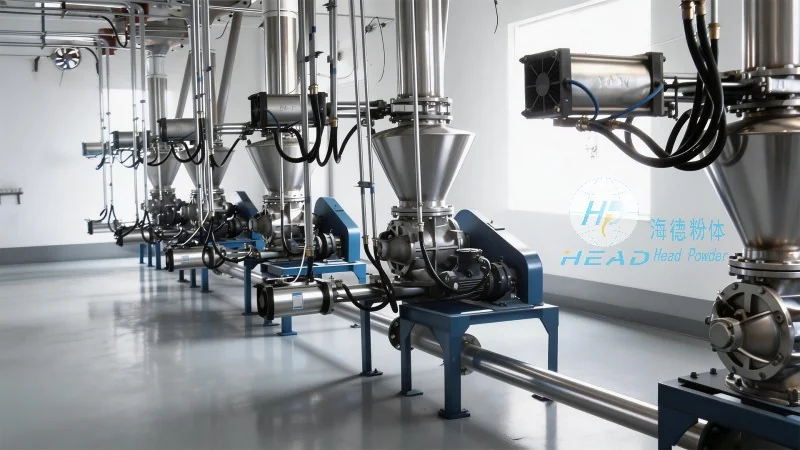
Key Components and Their Functions
Several critical components make up a small stone material handling system, each playing a vital role in the overall operation. The primary components include the conveyor system, feeding equipment, control unit, and supporting structures. The conveyor, typically made of durable materials like rubber or metal, carries the small stones along its path. Feeders, such as vibratory feeders or rotary valves, regulate the input of material into the conveyor, ensuring a consistent flow rate. The control unit, equipped with sensors and monitoring devices, manages the operation of the system, detecting any abnormalities and adjusting parameters as needed. Supporting structures, such as frames and supports, provide stability and durability, ensuring the system can withstand the weight and stress of continuous operation.
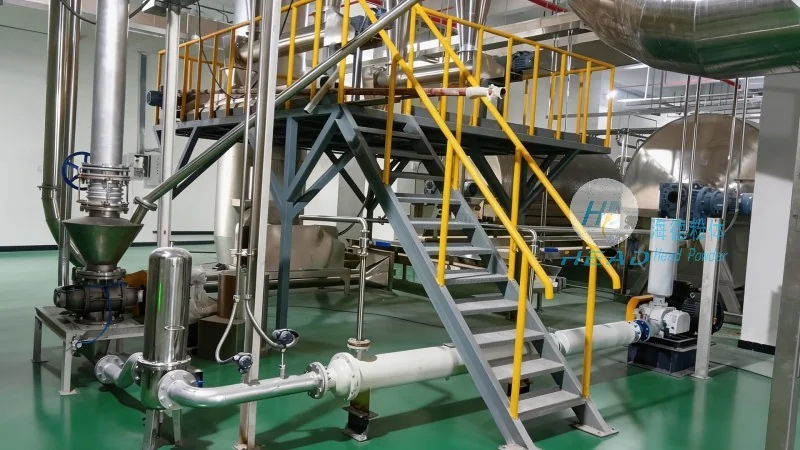
Working Scene Characteristics and Applications
The working scene characteristics of small stone material handling systems are tailored to meet the demands of different industrial environments. In construction sites, these systems are used to transport crushed stones from storage areas to construction sites, facilitating the efficient supply of materials for concrete and asphalt production. In mining operations, they play a crucial role in moving crushed ore and other materials from processing plants to storage or transportation points. The systems are also employed in manufacturing facilities, where they help in the transportation of raw materials and finished products. The working scene characteristics include high throughput rates, durability under harsh conditions, and adaptability to different material sizes and shapes. The systems are designed to operate in both indoor and outdoor environments, with some models being weather-resistant to withstand exposure to elements like rain or dust.
Advantages and Benefits of the System
Implementing a small stone material handling system offers numerous advantages for industrial operations. One of the key benefits is increased efficiency, as the system automates the material transportation process, reducing the need for manual labor and minimizing downtime. The high throughput capacity ensures that production lines can operate continuously, meeting demand without interruptions. Another advantage is cost-effectiveness, as the system reduces labor costs and minimizes material loss during handling. The durability of the equipment, made from robust materials, ensures long-term operation with minimal maintenance requirements. Additionally, the systems are designed for safety, incorporating features like emergency stop buttons and overload protection to prevent accidents and ensure operator safety. The adaptability of the system allows it to be customized to fit specific operational needs, making it suitable for a wide range of applications.
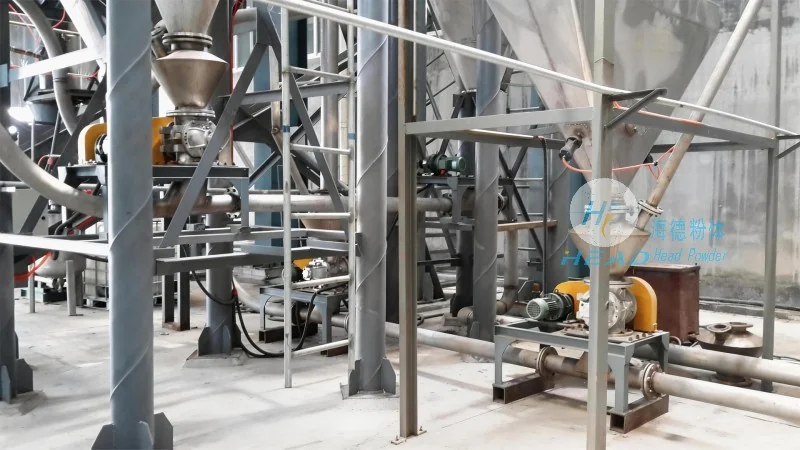
Customization and Integration Options
Small stone material handling systems can be customized to meet the specific requirements of different industries and applications. Companies like Shandong HeadPowder Engineering Co., Ltd. offer tailored solutions that can be integrated into existing production lines or designed as standalone systems. Customization options include adjusting the conveyor length, width, and speed to accommodate different material volumes and processing needs. The feeding equipment can also be modified to handle various material types, such as different sizes of crushed stones or mixed aggregates. Control systems can be upgraded to include advanced features like remote monitoring and data analytics, providing real-time insights into system performance and enabling predictive maintenance. Integration with other industrial equipment, such as crushers or screens, can enhance the overall efficiency of the material processing workflow. The company’s expertise in engineering and manufacturing ensures that the customized systems are built to meet the highest standards of quality and performance.




