HeadPowder, a leading manufacturer based in Shandong, China, specializes in the design and production of advanced pneumatic conveying equipment tailored for corn kernel handling. This article explores the fundamental principles behind corn kernel pneumatic conveying systems and highlights the key working scene characteristics that make them indispensable in modern agricultural and food processing industries.
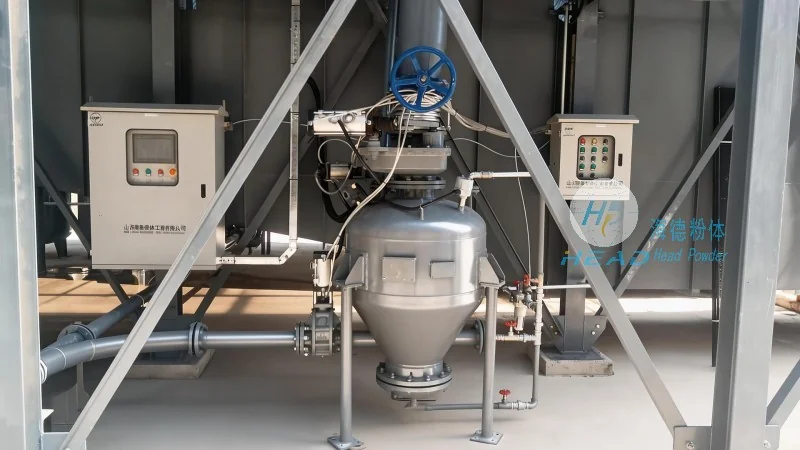
The Core Principle of Pneumatic Conveying for Corn Kernels
At the heart of corn kernel pneumatic conveying is the use of air as the primary medium to transport bulk materials. The system operates by creating a pressure differential, typically through a blower or fan, which generates a flow of air that draws or pushes the corn kernels through a pipeline. This method eliminates the need for mechanical components like belts or buckets, reducing friction and wear while ensuring efficient and hygienic material movement. The design of the conveying system is optimized to handle the specific physical properties of corn kernels, such as their size, density, and moisture content, ensuring consistent performance and minimal product degradation.
Key Working Scene Characteristics of Corn Kernel Pneumatic Conveying
1. Efficiency in Bulk Handling: Pneumatic conveying systems excel in transporting large volumes of corn kernels quickly and with minimal labor. This is particularly valuable in agricultural settings where high throughput is required during harvest and processing seasons. The ability to move materials over long distances without intermediate storage or manual handling significantly improves operational efficiency.
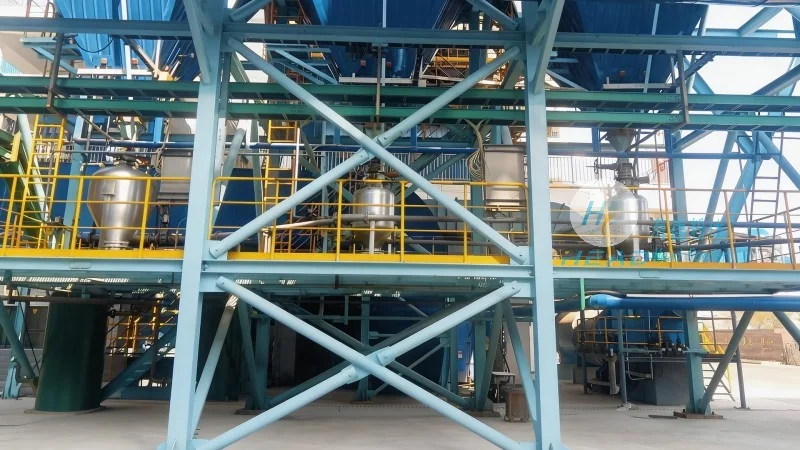
2. Hygienic and Sanitary Design: For applications in food processing, the design of corn kernel pneumatic conveyors incorporates features that meet stringent hygiene standards. Smooth, easy-to-clean surfaces, sealed joints, and minimal dead zones prevent contamination, ensuring that the corn kernels remain in compliance with food safety regulations. This is crucial for maintaining product quality and meeting industry certifications.
3. Reduced Product Damage: Unlike mechanical conveyors that may cause abrasion or impact damage to delicate corn kernels, pneumatic systems use air flow to gently move materials. This reduces the risk of broken kernels or other forms of physical damage, which is vital for maintaining the market value of the product, especially for high-quality or specialty corn varieties.
4. Flexibility in Layout and Integration: Pneumatic conveying equipment can be easily integrated into existing processing lines or reconfigured to accommodate changes in workflow. The modular design allows for the addition of branches, bends, or filters as needed, providing flexibility in plant layout. This adaptability is beneficial for facilities that may expand or modify their operations over time.
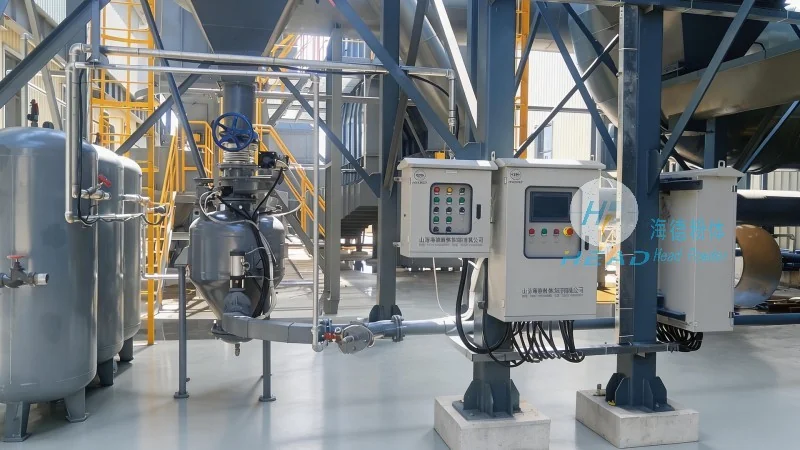
Applications and Industry Impact
Corn kernel pneumatic conveying systems are widely used across various stages of the corn value chain. From on-farm storage and transport to processing plants, these systems play a critical role in ensuring smooth material flow. In processing facilities, they are commonly employed for moving corn kernels to grinding, drying, or milling operations. The efficiency and reliability of these systems contribute to higher overall productivity and lower operational costs for businesses in the agricultural and food processing sectors.
Conclusion
HeadPowder's expertise in corn kernel pneumatic conveying technology reflects a deep understanding of both the material properties of corn and the operational needs of the agricultural and food industries. By leveraging advanced engineering and adherence to industry standards, their systems provide reliable, efficient, and hygienic solutions for corn kernel handling. For businesses seeking to optimize their material transport processes, corn kernel pneumatic conveying systems offer a robust and versatile option that aligns with modern production requirements.




