HeadPowder, a leading provider in the field of material handling and processing, specializes in advanced pneumatic conveying systems, particularly those incorporating weighing and feeding mechanisms. Based in Shandong, China, the company has established itself as a trusted partner for industries requiring precise and efficient material transport solutions. This article delves into the operation process and working principle of weighing feeding pneumatic conveying systems, highlighting the technical aspects and practical applications that define their effectiveness.
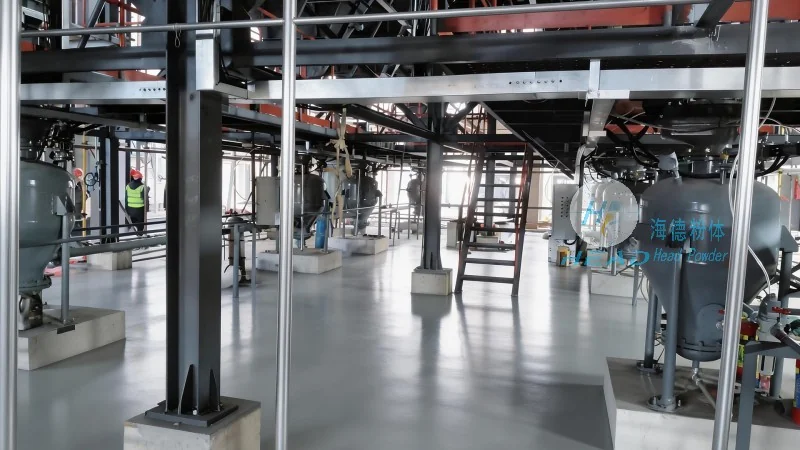
Company Overview and Expertise
Shandong HeadPowder Engineering Co., Ltd., operating under the brand name HeadPowder, is dedicated to delivering innovative solutions for material handling challenges. With a strong focus on precision engineering and customer-centric design, the company has developed a range of pneumatic conveying systems tailored to meet the diverse needs of various industries. The integration of weighing and feeding functionalities into these systems represents a significant advancement in material transport technology, enabling users to achieve higher levels of control and efficiency in their operations.
Understanding Pneumatic Conveying Systems
Pneumatic conveying systems utilize air or other gases to transport bulk materials from one location to another. These systems are widely used across industries such as food processing, pharmaceuticals, chemicals, and mining due to their ability to handle a variety of materials, including powders, granules, and fine particles. The core components of a pneumatic conveying system typically include a material feed hopper, a conveying line, a control system, and a discharge point. The integration of weighing and feeding mechanisms enhances the system's ability to regulate material flow accurately, ensuring consistent product quality and operational efficiency.
The Working Principle of Weighing Feeding Pneumatic Conveying
The working principle of a weighing feeding pneumatic conveying system involves several key steps. Initially, bulk material is fed into a hopper equipped with a load cell or other weighing sensor. The system then measures the weight of the material in the hopper, providing real-time data on the material inventory. When the material level or weight reaches a pre-set threshold, the feeding mechanism activates, releasing the material into the conveying line. The conveying line, which may consist of pipes or ducts, uses compressed air to transport the material to the discharge point. The control system continuously monitors the material flow, adjusting the air pressure and feeding rate as needed to maintain optimal performance. This closed-loop control ensures that the material is conveyed at a consistent rate, minimizing variations in product quality and reducing the risk of overloading or underloading.
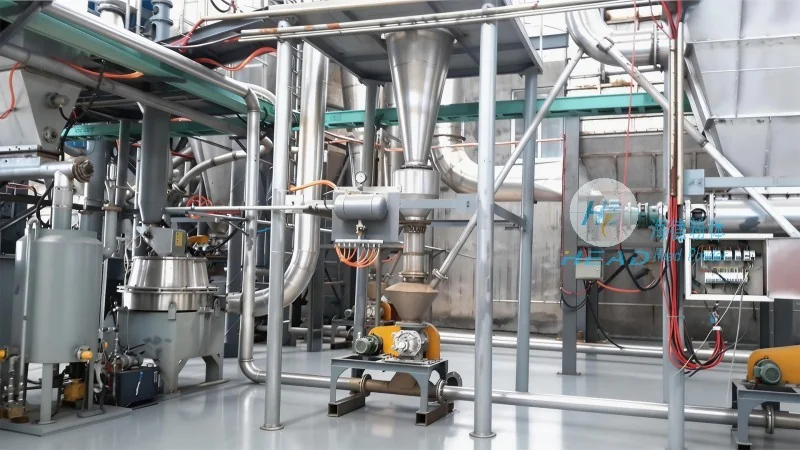
Operation Process: Step-by-Step Overview
The operation process of a weighing feeding pneumatic conveying system can be broken down into several sequential steps. First, the system is started, and the material is loaded into the hopper. The weighing sensor records the initial weight of the material. The control system then sets the target weight or flow rate for the conveying operation. As the material is fed into the conveying line, the system monitors the weight loss from the hopper and adjusts the feeding rate accordingly. This dynamic adjustment ensures that the material is conveyed at a steady rate, preventing fluctuations in the discharge flow. The system continues to operate until the material in the hopper reaches a low level, at which point the feeding stops and the system may enter a standby mode or prepare for the next batch of material. Throughout the operation, the control system provides real-time feedback on key parameters such as material weight, flow rate, and air pressure, allowing operators to monitor and adjust the system as needed.
Key Benefits and Applications
Weighing feeding pneumatic conveying systems offer several advantages over traditional material handling methods. The primary benefit is the enhanced precision in material control, which is critical for industries where product consistency is paramount. By integrating weighing and feeding mechanisms, these systems eliminate the need for manual adjustments, reducing human error and improving operational efficiency. Additionally, the closed-loop control system ensures that the material is conveyed at a consistent rate, minimizing waste and optimizing production throughput. These systems are particularly well-suited for applications involving high-value materials, where even small variations in quality can have significant financial implications. Industries such as food and beverage, pharmaceuticals, and chemical manufacturing have widely adopted these systems due to their ability to maintain strict quality standards and regulatory compliance.
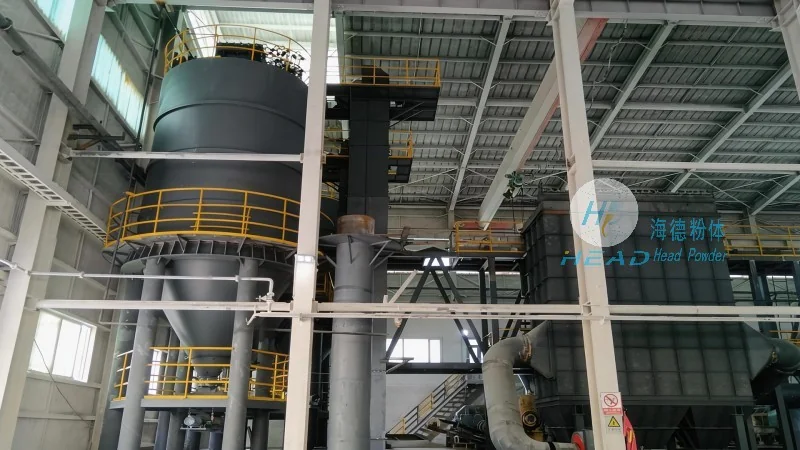
Technical Considerations and System Design
The design of a weighing feeding pneumatic conveying system requires careful consideration of several technical factors. The choice of conveying line material, such as stainless steel or plastic, depends on the type of material being transported and the required level of hygiene. The air pressure and flow rate must be optimized to ensure efficient material transport without causing excessive wear or degradation of the material. The weighing sensor must be accurately calibrated to provide reliable weight measurements, and the control system must be robust enough to handle the dynamic changes in material flow. HeadPowder, with its expertise in engineering and manufacturing, ensures that these technical considerations are addressed in the design and implementation of their systems. The company's engineers work closely with clients to understand their specific requirements and develop customized solutions that meet their operational needs.
Maintenance and Operational Best Practices
To ensure the long-term performance and reliability of weighing feeding pneumatic conveying systems, regular maintenance and adherence to best practices are essential. Routine checks of the weighing sensor and control system are necessary to maintain accurate measurements and prevent system malfunctions. The conveying line and air filters should be inspected regularly to prevent blockages or contamination, which can affect the system's efficiency. Proper training of operators on the system's operation and maintenance is also crucial for maximizing uptime and minimizing downtime. HeadPowder provides comprehensive support to its clients, including maintenance services and technical guidance, to help them maintain their systems in optimal condition. By following these best practices, users can extend the lifespan of their equipment and ensure consistent performance over time.
Conclusion
Weighing feeding pneumatic conveying systems represent a significant advancement in material handling technology, offering precise control and efficient operation for a wide range of industries. The integration of weighing and feeding mechanisms enhances the system's ability to regulate material flow, ensuring consistent product quality and operational efficiency. HeadPowder, with its expertise and commitment to innovation, continues to provide high-quality solutions that meet the evolving needs of its clients. By understanding the operation process and working principle of these systems, users can make informed decisions about their material handling requirements and leverage the benefits of advanced pneumatic conveying technology.




