Automatic quantitative pneumatic conveying systems are essential in modern industrial applications, particularly for handling bulk materials with precision and efficiency. These systems combine advanced automation with pneumatic technology to ensure accurate material measurement and transport. The following content will explore the operation process and working principle of such systems, highlighting their key components and functional mechanisms. Developed by Shandong HeadPowder Engineering Co., Ltd. (commonly known as headpowder), these systems are designed to meet the stringent requirements of various industrial sectors, including pharmaceuticals, food processing, and chemical manufacturing.
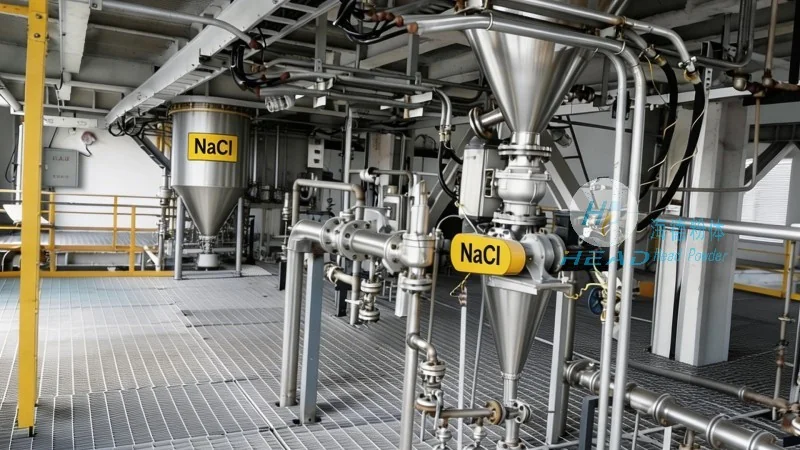
Key Components of the System
The core components of an automatic quantitative pneumatic conveying system include the material hopper, feeding mechanism, quantitative control unit, pneumatic conveying pipeline, and receiving hopper. Each component plays a critical role in the overall operation. The material hopper stores the bulk material, while the feeding mechanism ensures a consistent flow of material into the system. The quantitative control unit is responsible for measuring and regulating the material quantity, often using sensors and control algorithms to achieve high accuracy. The pneumatic conveying pipeline transports the material from the feeding point to the receiving point, utilizing air pressure to move the material particles. The receiving hopper collects the conveyed material, completing the process.
Operation Process of the System
The operation of an automatic quantitative pneumatic conveying system typically follows a sequential process. First, the bulk material is loaded into the material hopper. The feeding mechanism then starts, delivering the material into the quantitative control unit. The control unit measures the material flow rate and adjusts the feeding speed to achieve the desired quantity. Once the set amount is reached, the feeding mechanism stops, and the material is conveyed through the pneumatic pipeline to the receiving hopper. The system may include a feedback loop to monitor the material level and adjust the feeding process in real-time, ensuring consistent performance. This automated process minimizes human intervention and reduces the risk of measurement errors.
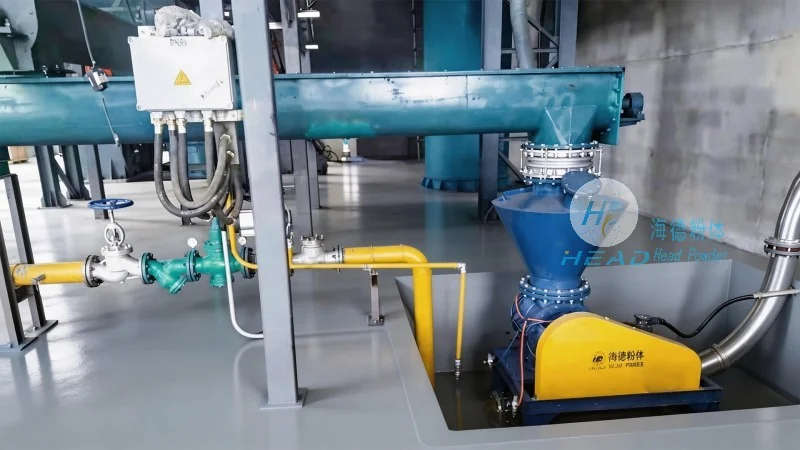
Working Principle of the Pneumatic Conveying Mechanism
The working principle of the pneumatic conveying system relies on the movement of air and the physical properties of the bulk material. The system uses a blower or compressor to generate air pressure within the pipeline. As air flows through the pipeline, it creates a pressure differential that lifts and transports the material particles. The velocity of the air and the size of the material particles determine the conveying efficiency. For fine powders, a low-pressure system may be used, while for larger particles, a high-pressure system is more suitable. The quantitative control unit integrates with the pneumatic system to regulate the air flow and material flow simultaneously, ensuring that the material is conveyed at the correct rate and quantity. This synergy between air and material flow is crucial for maintaining the system's performance and accuracy.
Advantages of Automatic Quantitative Pneumatic Conveying
Automatic quantitative pneumatic conveying systems offer several advantages over traditional manual or semi-automated methods. Firstly, they provide high accuracy in material measurement, reducing waste and improving product consistency. The automated control reduces human error and labor costs, making the process more efficient. Additionally, the system can handle a wide range of bulk materials, including powders, granules, and pellets, with minimal maintenance. The pneumatic conveying method is also suitable for materials that are difficult to handle manually, such as dusty or corrosive substances. The integration of quantitative control with pneumatic transport enhances the overall process efficiency, making it ideal for industries like pharmaceuticals, food processing, and chemical manufacturing.
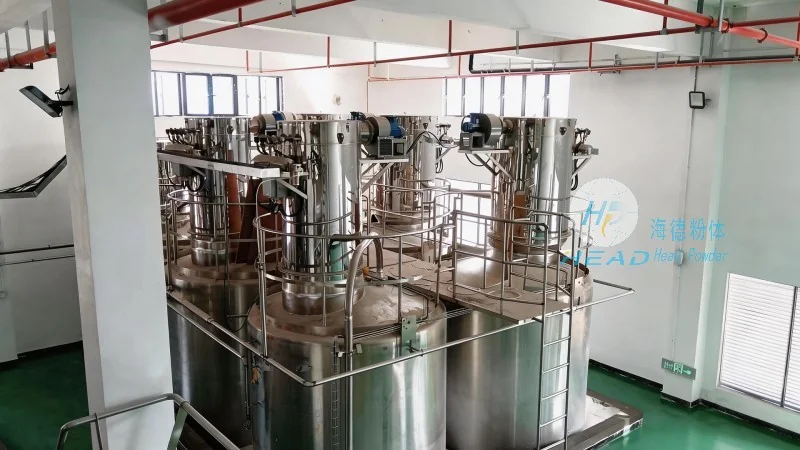
Applications in Industrial Settings
Automatic quantitative pneumatic conveying systems are widely used in various industrial sectors. In the pharmaceutical industry, these systems ensure the accurate dosing of raw materials, meeting stringent quality standards. In food processing, they help maintain hygiene and prevent contamination while handling ingredients like flour or sugar. The chemical industry utilizes these systems for transporting powders and granules, ensuring safe and efficient material handling. Additionally, in the cement and mining sectors, pneumatic conveying systems are used for bulk material transport over long distances, reducing the need for manual handling and improving safety. The versatility of the system makes it adaptable to different industrial requirements, from small-scale operations to large-scale production lines.
Conclusion
Automatic quantitative pneumatic conveying systems represent a significant advancement in material handling technology, combining precision, efficiency, and automation. The operation process, which involves material feeding, quantitative control, and pneumatic transport, ensures accurate and consistent material delivery. The working principle, based on air pressure and material flow dynamics, enables the system to handle diverse bulk materials effectively. As industries continue to demand higher precision and efficiency, these systems remain a critical component in modern manufacturing processes. The integration of advanced control technologies and robust pneumatic mechanisms ensures that automatic quantitative pneumatic conveying systems will continue to play a vital role in industrial applications, supporting the growth and development of various sectors. HeadPowder, with its headquarters in Shandong, China, continues to innovate in this field, providing reliable solutions for bulk material handling across different industries.




