For industrial facilities dealing with airborne particulate matter, efficient dust removal is crucial for maintaining air quality, ensuring worker safety, and complying with environmental regulations. Pneumatic dust removal systems, also known as pneumatic conveying systems, offer a reliable solution by utilizing air pressure to transport and collect dust particles. This article explores the operation process and working principle of such systems, highlighting their key components, operational workflow, and the technical expertise behind their design and implementation.
Introduction to Pneumatic Dust Removal Systems
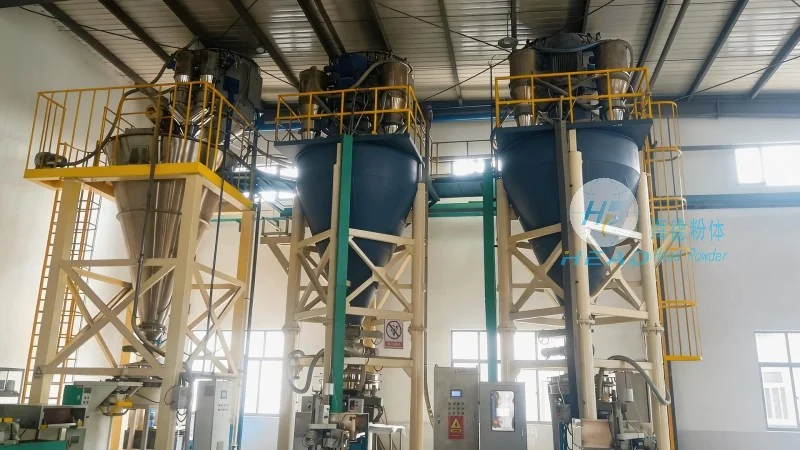
Pneumatic dust removal systems are engineered to capture, transport, and deposit dust or other fine particles from industrial processes. These systems are widely used in industries such as cement, chemical, food processing, and mining, where dust generation is a common challenge. The primary goal of these systems is to improve air quality, reduce health hazards, and prevent equipment damage caused by accumulated dust.
Key Components of Pneumatic Dust Removal Systems
The effectiveness of a pneumatic dust removal system depends on its well-designed components, each playing a critical role in the overall operation. The main components typically include:
- Dust Collector: The primary device that captures airborne particles from the process environment. It uses filtration or cyclonic separation to separate dust from the air stream.
- Pneumatic Conveying Line: A network of pipes or hoses that transports the collected dust from the collector to the storage or disposal area. This line is often pressurized or vacuumed to move the material.
- Blowers or Vacuum Pumps: These devices generate the necessary air pressure or vacuum to move the dust particles through the conveying line. The choice between positive pressure (blowers) and negative pressure (vacuum pumps) depends on the application and material characteristics.
- Valves and Controls: Essential for regulating the flow of air and material, ensuring smooth operation and preventing blockages or backflow.
- Storage and Disposal Equipment: Used to hold the collected dust until it is properly disposed of or reused, such as in cement production or as raw material for other processes.
Working Principle of Pneumatic Dust Removal Systems
The working principle of a pneumatic dust removal system revolves around the movement of air and the capture of particulate matter. Here's a step-by-step breakdown of how the system operates:
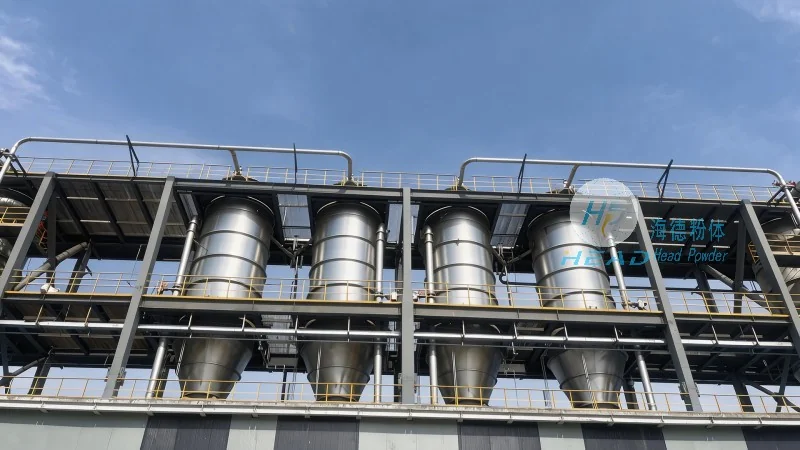
- Airflow Generation: A blower or vacuum pump creates a pressure differential within the system. In positive pressure systems, the blower pushes air into the conveying line, while in negative pressure systems, the pump creates a vacuum that draws air and dust into the line.
- Dust Capture: The dust collector, positioned at the source of dust generation, captures the particles from the air stream. The collector may use bag filters, cartridge filters, or cyclone separators to trap the dust.
- Transportation: The captured dust is mixed with the air stream and conveyed through the pneumatic line to the storage or disposal unit. The air velocity in the line must be sufficient to prevent material settling or blockage.
- Deposition: At the end of the conveying line, the dust is deposited into a storage bin or container. The air is then filtered and released back into the environment, ensuring clean exhaust.
Operation Process of Pneumatic Dust Removal Systems
The operation process of a pneumatic dust removal system is designed to be continuous and efficient, minimizing downtime and maximizing dust collection efficiency. The process typically involves the following stages:
- System Startup: The system is started by activating the blower or vacuum pump, which establishes the necessary airflow. The dust collector is also activated to begin capturing dust.
- Continuous Operation: As the industrial process generates dust, the system continuously captures and transports the particles. The valves and controls regulate the flow to maintain optimal pressure and velocity.
- Monitoring and Maintenance: Regular monitoring of system performance, including pressure, airflow, and dust collection efficiency, is essential. Maintenance tasks such as filter cleaning or replacement, valve adjustments, and blower checks are performed to ensure long-term reliability.
- System Shutdown: When the industrial process is completed, the system is shut down in an orderly manner. The blower is turned off, and the dust is allowed to settle in the storage bin before the system is fully de-energized.
Company Profile: Shandong HeadPowder Engineering Co., Ltd.
HeadPowder, a leading provider of industrial dust removal solutions, specializes in the design, manufacturing, and installation of pneumatic dust removal systems. With a strong presence in Shandong, China, the company leverages decades of experience to deliver customized solutions tailored to the unique needs of each client. The company's team of engineers and technicians is dedicated to providing high-quality products and services that meet or exceed industry standards.
Technical Advantages and Applications
Pneumatic dust removal systems offer several technical advantages that make them a preferred choice for industrial applications. These include:
- High Efficiency: The systems can capture a high percentage of airborne particles, ensuring compliance with environmental regulations and improving air quality.
- Low Maintenance: Compared to other dust removal methods, pneumatic systems often require less maintenance due to their simple design and fewer moving parts.
- Flexibility: The systems can be easily adapted to different industrial processes and material types, making them suitable for a wide range of applications.
- Space Efficiency: The compact design of the components allows for installation in limited spaces, making them ideal for facilities with space constraints.
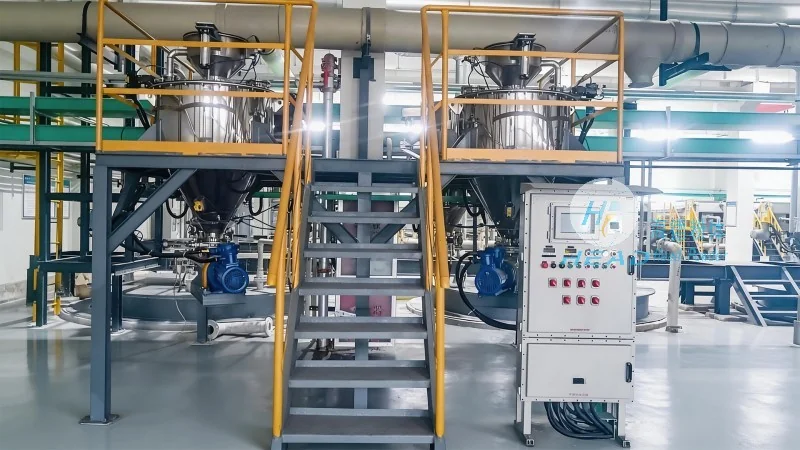
HeadPowder's pneumatic dust removal systems are applied in various industries, including cement production, chemical processing, food and beverage manufacturing, and mining. The company's solutions are designed to handle different dust characteristics, such as fine powders, coarse particles, or sticky materials, ensuring optimal performance in each application.
Conclusion
Pneumatic dust removal systems are a critical component of modern industrial operations, providing efficient and reliable solutions for dust management. By understanding the operation process and working principle of these systems, industries can make informed decisions about their dust control strategies. With the expertise of companies like Shandong HeadPowder Engineering Co., Ltd., businesses can achieve effective dust removal while maintaining operational efficiency and compliance with environmental standards.




