Calcined ash, a byproduct of industrial processes such as coal combustion, requires efficient and reliable transportation methods for handling and disposal. Pneumatic conveying systems have emerged as a preferred solution due to their ability to transport bulk materials like calcined ash over long distances with minimal maintenance and environmental impact. This article explores the operation process and working principles of calcined ash pneumatic conveying, highlighting key components, operational steps, and the technical advantages of this technology.
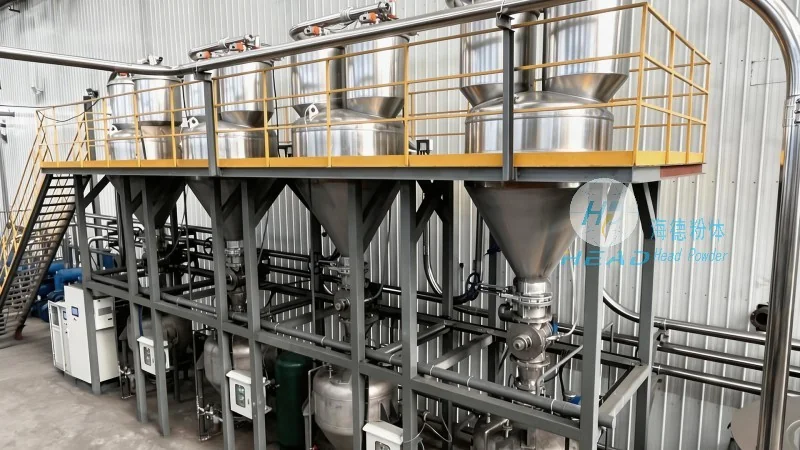
Key Components of a Pneumatic Conveying System for Calcined Ash
The effectiveness of a calcined ash pneumatic conveying system relies on several critical components that work in tandem to ensure smooth material transport. These components include the hopper, feeder, air compressor, conveying line, and receiver. The hopper serves as the storage and feeding unit, where calcined ash is stored before being fed into the system. A feeder, typically a rotary valve or screw feeder, regulates the flow of ash into the conveying line, ensuring consistent material delivery. The air compressor generates the necessary pressure and airflow to move the ash particles through the system. The conveying line, often made of stainless steel or other corrosion-resistant materials, transports the ash and air mixture. Finally, the receiver collects the conveyed ash, separating it from the air before discharge.
Operation Process of Calcined Ash Pneumatic Conveying
The operation process of a calcined ash pneumatic conveying system involves several sequential steps that ensure efficient material transport. The process begins with the ash being loaded into the hopper from a storage silo or conveyor. The feeder then controls the discharge rate of the ash into the conveying line. Simultaneously, the air compressor supplies compressed air to the system, creating a pressure differential that propels the ash particles forward. As the ash moves through the conveying line, it is suspended in the air stream, allowing it to travel over long distances without the need for mechanical components like belts or buckets. The receiver at the end of the line captures the ash, and a cyclone or filter system separates the ash from the air, which is then discharged to the atmosphere or recirculated back into the system.
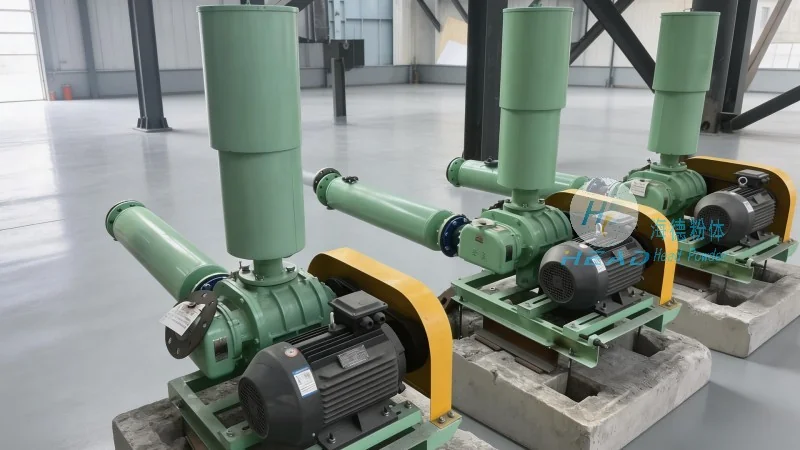
Working Principles of Pneumatic Conveying for Calcined Ash
The working principle of a calcined ash pneumatic conveying system is based on the fundamental physics of fluid dynamics and particle motion. The system operates on either positive pressure or negative pressure (or a combination of both), depending on the application requirements. In positive pressure systems, the air compressor pushes air and ash particles through the conveying line, maintaining a higher pressure than the ambient environment. This method is suitable for long-distance transport and can handle abrasive materials like calcined ash. Negative pressure systems, also known as vacuum systems, draw air and ash particles into the system using a vacuum pump, creating a lower pressure than the ambient air. This approach is often used for short-distance transport or when the ash needs to be collected from multiple sources.
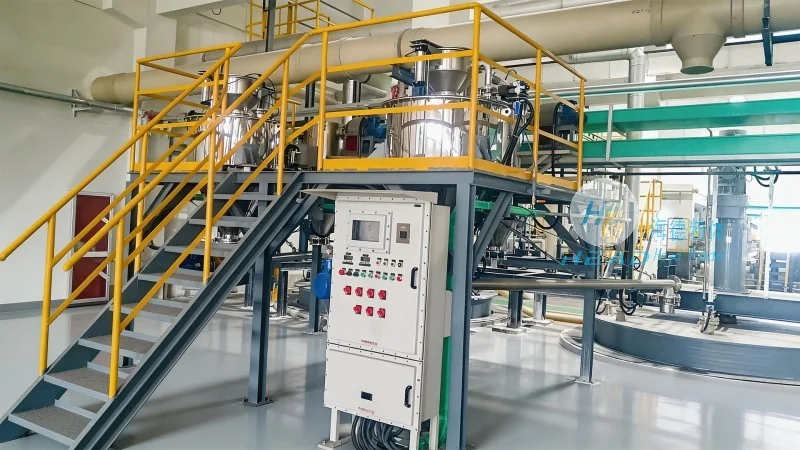
Advantages of Using Pneumatic Conveying for Calcined Ash
Pneumatic conveying systems offer several advantages when transporting calcined ash, making them a preferred choice over traditional methods like belt conveyors or bucket elevators. One of the primary benefits is the ability to transport ash over long distances with minimal infrastructure requirements. The system can be installed in a straight line or with bends, adapting to the layout of industrial facilities. Additionally, pneumatic conveying reduces the risk of dust contamination and environmental pollution, as the ash is contained within the conveying line and the air is filtered before discharge. The system also minimizes material degradation and loss, as the ash is not subjected to mechanical friction or impact. Furthermore, pneumatic conveying systems are relatively low maintenance, with fewer moving parts compared to mechanical conveyors, resulting in lower operational costs and increased reliability.
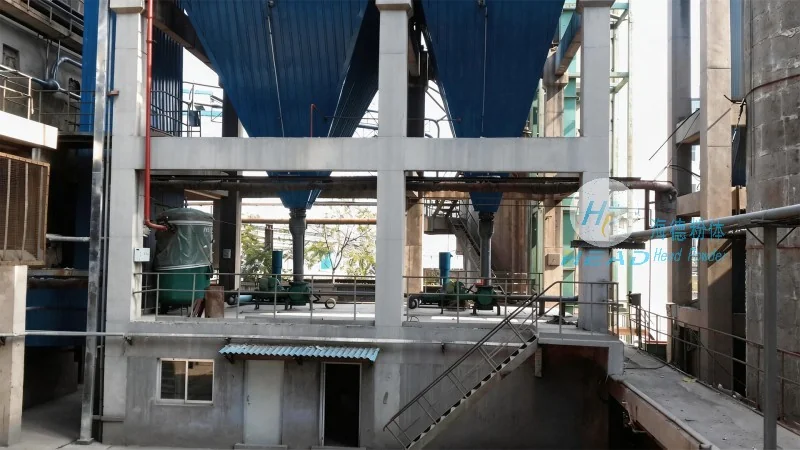
Applications of Calcined Ash Pneumatic Conveying
The applications of calcined ash pneumatic conveying systems are diverse and widespread across various industries. In power plants, the system is used to transport calcined ash from the boiler to storage silos or disposal sites. In cement and steel industries, the ash is used as a raw material or fuel additive, and pneumatic conveying ensures efficient delivery to processing units. The system is also used in waste management facilities for the transport of ash from incinerators to landfills or recycling facilities. The flexibility and adaptability of pneumatic conveying systems make them suitable for a wide range of applications, from small-scale industrial operations to large-scale power generation plants.
Conclusion and Company Overview
Calcined ash pneumatic conveying systems represent a sophisticated and efficient solution for transporting bulk materials in industrial settings. By understanding the operation process and working principles of these systems, industries can optimize their material handling processes, reduce costs, and enhance environmental performance. Shandong HeadPowder Engineering Co., Ltd., a leading provider of engineering solutions for material handling, specializes in designing and manufacturing customized pneumatic conveying systems tailored to the specific needs of calcined ash applications. With a focus on quality, reliability, and innovation, HeadPowder delivers solutions that meet the highest standards of industrial performance. Located in Shandong, China, HeadPowder leverages its expertise and experience to provide comprehensive support, from system design and installation to maintenance and after-sales service. By choosing HeadPowder, industries can ensure the efficient and safe transport of calcined ash, contributing to improved operational efficiency and environmental sustainability.




