PE pellet pneumatic conveying systems are essential in industrial applications for efficiently transporting polyethylene pellets from one location to another. These systems utilize air as the conveying medium, enabling the movement of bulk materials without the need for mechanical components like belts or buckets. The operation of such systems involves a series of steps that ensure smooth and reliable material transfer, which is critical for maintaining production efficiency and product quality.
Key Components of Pneumatic Conveying Systems
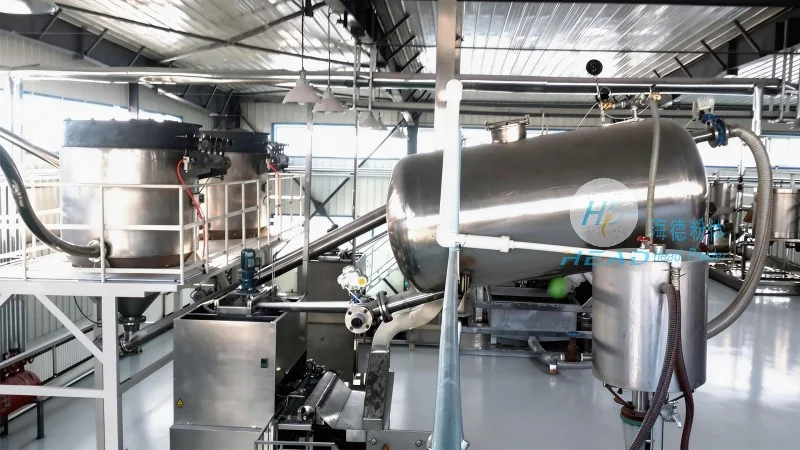
Before delving into the operation process, it's important to understand the key components that make up a typical PE pellet pneumatic conveying system. These components include the hopper (for material storage and feeding), the air compressor (to generate the necessary air pressure), the conveying line (where the material is transported), the receiver (for material discharge), and control valves and sensors (to regulate the system's operation). Each component plays a vital role in ensuring the system functions optimally, and their proper integration is crucial for efficient material handling.
The Operation Process of PE Pellet Pneumatic Conveying
The operation process of a PE pellet pneumatic conveying system typically begins with the material being fed into the hopper. The hopper is designed to hold a sufficient quantity of PE pellets, ensuring a continuous supply to the system. As the material accumulates, it is drawn into the conveying line by the air flow generated by the compressor. The air pressure created by the compressor is sufficient to lift and transport the pellets through the pipeline, overcoming gravity and any resistance in the system.
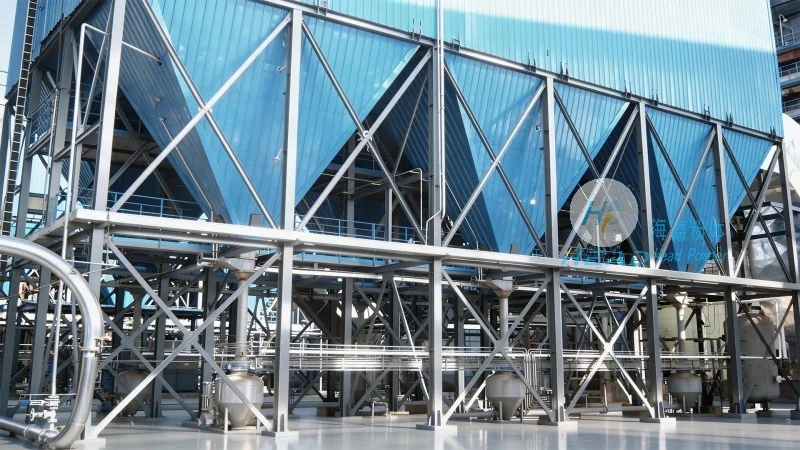
During the conveying process, the pellets are suspended in the air stream and move along the pipeline to the receiver. The receiver is positioned at the destination point, where the material is discharged under gravity or by a controlled valve. The system's control system monitors the pressure, flow rate, and material level, adjusting the air compressor's output as needed to maintain optimal conveying conditions. This dynamic control ensures that the system operates efficiently, minimizing energy consumption and maximizing material throughput.
Working Principle of Pneumatic Conveying
The working principle of PE pellet pneumatic conveying systems is based on the principles of fluid dynamics and particle motion. When air is compressed and introduced into the conveying line, it creates a high-velocity air stream that interacts with the PE pellets. The pellets are entrained by the air stream, and their movement is governed by the balance of forces, including the drag force from the air, the gravitational force, and the frictional forces within the pipeline. The system's design, including the size of the pipeline, the air velocity, and the material's properties, is critical in determining the conveying capacity and efficiency.
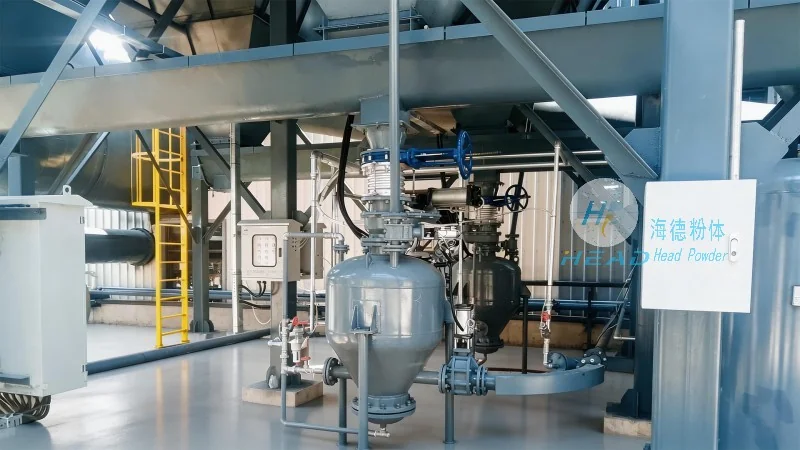
In addition to the basic conveying mechanism, modern PE pellet pneumatic conveying systems may incorporate advanced features such as pulse jet technology, which uses intermittent bursts of high-pressure air to improve material flow and reduce blockages. This technology enhances the system's ability to handle different material characteristics, including varying pellet sizes and moisture content, ensuring consistent performance under diverse operating conditions.
Benefits and Applications of PE Pellet Pneumatic Conveying
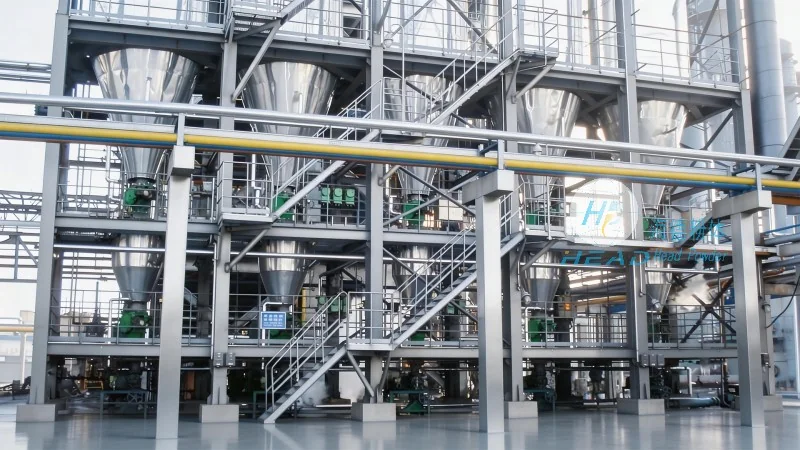
PE pellet pneumatic conveying systems offer several advantages over traditional mechanical conveying methods. These include reduced maintenance costs, as there are fewer moving parts, and improved safety, as the system operates in enclosed pipelines, minimizing dust exposure and material spillage. The systems are also highly flexible, allowing for easy integration into existing production lines and the ability to transport materials over long distances without the need for intermediate storage or handling.
These systems are widely used in various industries, including plastics manufacturing, where PE pellets are transported from storage to processing equipment, and in chemical processing, where bulk materials are moved between different stages of production. The efficiency and reliability of pneumatic conveying make it an ideal solution for applications requiring high throughput and consistent material quality.




