For industrial applications requiring the efficient and reliable transport of dry limestone, pneumatic conveying systems offer a robust solution. This article delves into the operation process and working principle of such systems, highlighting the key components, operational steps, and the engineering expertise behind their design and implementation by Shandong HeadPowder Engineering Co., Ltd., a leading provider in the field.
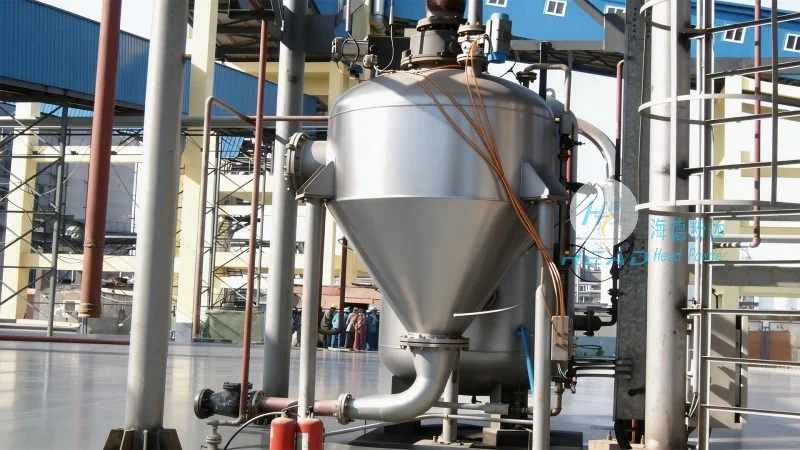
Key Components of a Dry Limestone Pneumatic Conveying System
A dry limestone pneumatic conveying system typically consists of several critical components that work in tandem to ensure smooth material transport. These include the material hopper, rotary valve, air compressor, conveying pipeline, and receiver. Each component plays a vital role in the overall system performance.
The material hopper is where dry limestone is stored before being fed into the system. It is designed to maintain a consistent material level and prevent blockages. The rotary valve, often a star valve or slide valve, acts as a controlled feed mechanism, regulating the flow of limestone into the conveying pipeline. The air compressor generates the necessary pressure and volume of air to move the material through the pipeline. The conveying pipeline, usually made of stainless steel or other corrosion-resistant materials, transports the limestone and air mixture. Finally, the receiver collects the material at the destination point, separating it from the air before discharge.
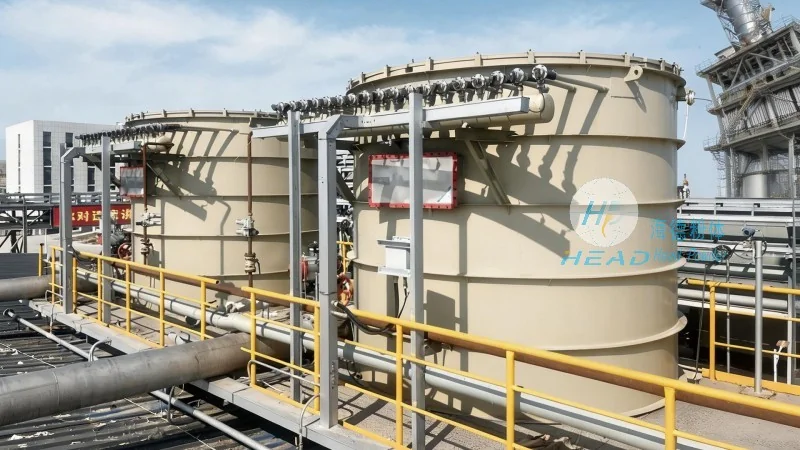
Working Principle of the Pneumatic Conveying Process
The operation of a dry limestone pneumatic conveying system follows a sequential process. Initially, the air compressor starts and builds up pressure in the system. Simultaneously, the rotary valve opens to allow dry limestone to enter the conveying pipeline. The high-pressure air then creates a flow that entrains the limestone particles, forming a slurry-like mixture. This mixture travels through the pipeline under pressure, reaching the receiver where the air is separated from the limestone. The separated air may be recirculated or vented, while the limestone is collected for further use.
One of the primary advantages of this system is its ability to transport dry limestone over long distances without the need for mechanical components like belts or buckets, which can be prone to wear and maintenance issues. The pneumatic method also reduces the risk of material contamination and provides a dust-free environment, which is crucial for industrial applications where product purity is essential.
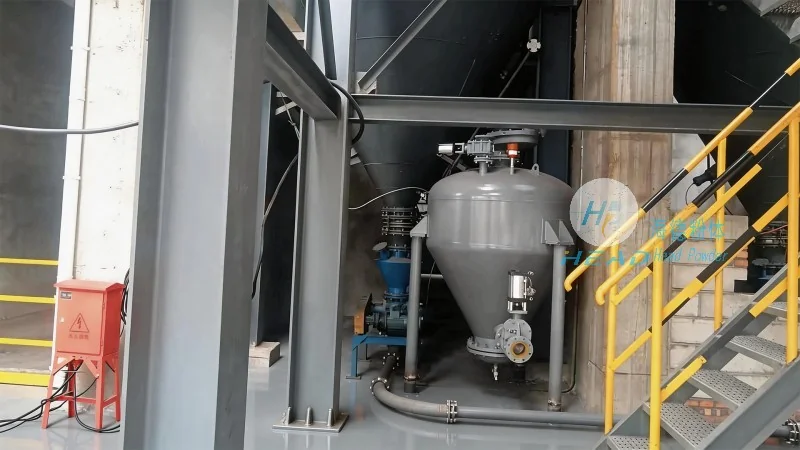
Operational Steps and Process Flow
The operational steps of a dry limestone pneumatic conveying system can be broken down into the following stages:
- Material Loading: Dry limestone is loaded into the material hopper from a storage silo or truck. The hopper is equipped with level indicators to monitor the material level.
- Feeding and Compression: The rotary valve opens, allowing limestone to fall into the conveying pipeline. The air compressor then activates, increasing the air pressure to the required level (typically 5-10 bar for most dry limestone applications).
- Conveying: The high-pressure air entrains the limestone particles, creating a dense phase flow. The mixture travels through the pipeline at a controlled velocity, ensuring efficient transport without causing excessive pressure drops or material degradation.
- Reception and Separation: At the receiving end, the mixture enters the receiver. The air is separated from the limestone using a cyclone or other separation equipment. The separated limestone is collected in a storage bin or directly to the process unit, while the air is either recirculated back to the compressor or vented to the atmosphere.
- System Monitoring and Control: Modern pneumatic conveying systems are equipped with advanced control panels that monitor pressure, flow rates, and material levels in real-time. This allows for automatic adjustments to maintain optimal performance and prevent system failures.
Advantages of Using Dry Limestone Pneumatic Conveying Systems
Shandong HeadPowder Engineering Co., Ltd. specializes in designing and manufacturing high-efficiency dry limestone pneumatic conveying systems that offer several benefits over traditional mechanical conveying methods. These advantages include:
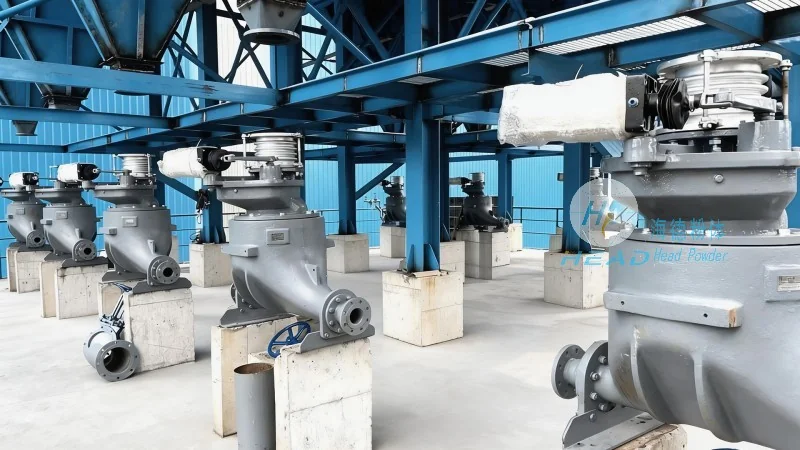
- Reduced Maintenance: With no moving parts in the conveying line (except for the rotary valve and compressor), the system requires minimal maintenance, leading to lower operational costs.
- Enhanced Safety: The enclosed pipeline design prevents dust emissions, reducing the risk of respiratory hazards and improving workplace safety.
- Improved Material Handling: The system can handle dry limestone with varying particle sizes and moisture content, ensuring consistent material quality at the destination.
- Scalability: The pneumatic conveying system can be easily scaled to accommodate increased material throughput requirements, making it suitable for both small-scale and large-scale industrial applications.
Application Examples and Industry Use Cases
Dry limestone pneumatic conveying systems are widely used in various industries where dry limestone is a key raw material. Some common applications include:
- Construction Materials: In the production of cement, dry limestone is transported from storage facilities to the grinding and mixing units. The system ensures a continuous and dust-free supply of limestone, which is critical for maintaining product quality.
- Environmental Remediation: In water treatment plants, dry limestone is used for pH adjustment and water softening. The pneumatic conveying system efficiently delivers the limestone to the treatment tanks, ensuring optimal chemical reactions.
- Industrial Manufacturing: In chemical and pharmaceutical industries, dry limestone is used as a filler or raw material in various processes. The system provides a reliable and hygienic method of transporting the material to the production lines.
Conclusion and Company Expertise
Shandong HeadPowder Engineering Co., Ltd. is a trusted name in the design and implementation of dry limestone pneumatic conveying systems. With years of experience and a commitment to engineering excellence, the company provides customized solutions tailored to the specific needs of its clients. By leveraging advanced technology and rigorous quality control, HeadPowder ensures that its pneumatic conveying systems operate efficiently, reliably, and safely, delivering superior performance in the handling of dry limestone. Whether for industrial, environmental, or manufacturing applications, the company's expertise in pneumatic conveying technology makes it the ideal partner for any project requiring the efficient transport of dry limestone.




