Shandong HeadPowder Engineering Co., Ltd., a professional manufacturer based in Shandong, China, specializes in the design, production, and installation of advanced pneumatic conveying systems for various industrial applications. The company's expertise lies in optimizing material handling processes, particularly for products like plaster powder, ensuring efficient, reliable, and cost-effective operations.
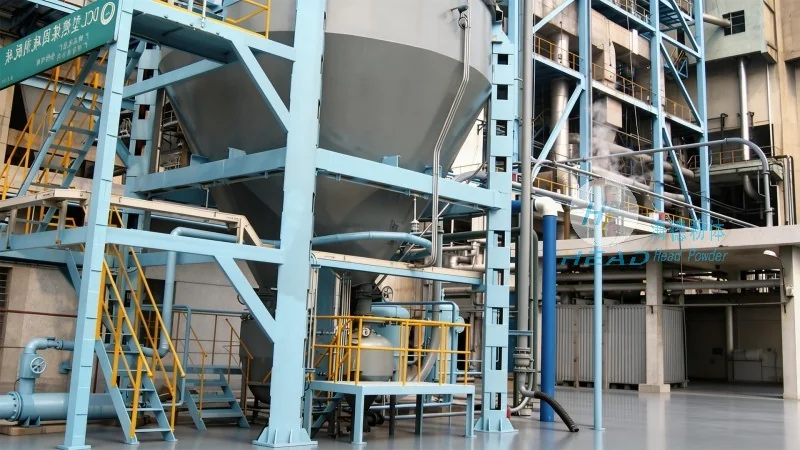
Overview of Plaster Powder Pneumatic Conveying System
A pneumatic conveying system for plaster powder is a closed-loop system that uses compressed air to transport dry powder materials from one location to another. This technology eliminates the need for traditional bulk handling methods such as trucks or conveyor belts, offering advantages like reduced dust exposure, improved safety, and enhanced product integrity. The system typically consists of several key components, including a hopper for material storage, a feeder to control the flow rate, a conveying line with appropriate fittings, and a receiver for the delivered material.
Key Components and Their Functions
The effectiveness of a plaster powder pneumatic conveying system relies on the proper integration of its core components. The hopper serves as the primary storage vessel, holding the plaster powder and providing a consistent feed to the feeder. The feeder, often a rotary valve or a screw feeder, regulates the amount of powder released into the conveying line, ensuring a steady flow rate that matches the system's capacity. The conveying line, made of durable materials like stainless steel or plastic, transports the powder using compressed air. Fittings such as elbows, tees, and filters are strategically placed to direct the flow and prevent blockages or dust leakage. Finally, the receiver collects the transported powder, completing the material transfer process.
Operation Process of the System
The operation of a plaster powder pneumatic conveying system involves a series of sequential steps to ensure smooth and efficient material handling. The process begins with the loading of plaster powder into the hopper. Once the hopper is filled, the feeder starts to discharge the powder at a controlled rate. Simultaneously, the compressed air is supplied to the conveying line, creating a pressure differential that propels the powder through the system. As the powder travels through the line, it is suspended in the air stream and transported to the receiver. The receiver then accumulates the delivered powder, ready for further processing or packaging. The system operates continuously, with the feeder and air compressor working in tandem to maintain a consistent flow of material. Regular monitoring of pressure, flow rate, and temperature is essential to detect any anomalies and prevent system failures.
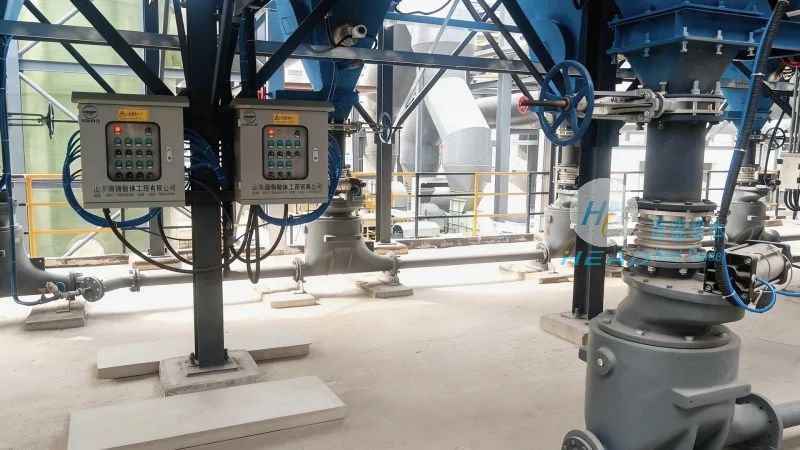
Working Principle of Pneumatic Conveying
The working principle of a pneumatic conveying system for plaster powder is based on the fundamental concept of fluidization and suspension. Compressed air is introduced into the conveying line, creating a high-velocity air stream that lifts and transports the powder particles. The air flow is designed to maintain the powder in a suspended state, preventing it from settling or clogging the system. The pressure differential between the hopper and the receiver drives the material movement, while the feeder controls the quantity of powder entering the system. The system's efficiency depends on the balance between air velocity and powder flow rate, ensuring that the powder is conveyed without excessive pressure loss or particle degradation. Advanced systems may incorporate features like pulse-jet cleaning for filters and variable speed drives for feeders to optimize performance and extend equipment life.
Advantages of Using Pneumatic Conveying for Plaster Powder
Implementing a pneumatic conveying system for plaster powder offers numerous benefits that enhance operational efficiency and product quality. First, the closed-loop design minimizes dust generation, reducing the risk of respiratory issues for workers and preventing contamination of the powder. Second, the system provides a hygienic and clean environment, which is crucial for food-grade or pharmaceutical applications where product purity is paramount. Third, the automated nature of the system reduces labor costs and improves consistency in material handling, as the feeder and air compressor operate with precise control. Additionally, the system is flexible and can be easily integrated with existing production lines, allowing for scalability as production needs change. Finally, the reduced need for manual handling and transportation reduces the risk of accidents and improves workplace safety.
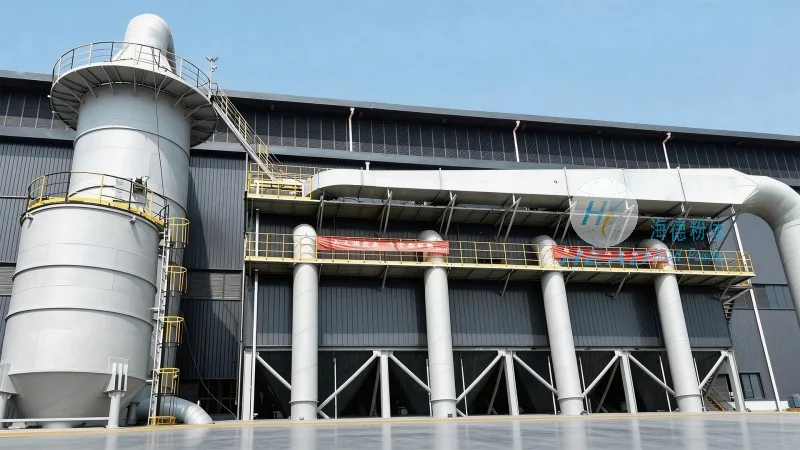
Applications and Industries
Plaster powder pneumatic conveying systems are widely used in various industries that require the efficient handling of dry powders. These include construction material manufacturing, where plaster is used for wall finishing; pharmaceutical and food processing, where the system ensures the safe and hygienic transfer of ingredients; and chemical production, where the system handles powders with specific properties. The versatility of the system makes it suitable for both small-scale and large-scale operations, from individual factories to industrial complexes. By optimizing material flow and reducing downtime, the system contributes to increased productivity and cost savings for businesses across different sectors.
Maintenance and Troubleshooting
To ensure the long-term reliability and performance of a plaster powder pneumatic conveying system, regular maintenance is essential. Routine checks should include inspecting the hopper and feeder for blockages or wear, cleaning the filters to prevent clogging, and checking the air compressor for proper pressure and airflow. The conveying line should be inspected for any signs of wear or damage, and the receiver should be emptied regularly to avoid overflow. Troubleshooting common issues such as low flow rates or pressure drops involves checking the feeder settings, ensuring the air compressor is functioning correctly, and verifying the integrity of the conveying line. By addressing these issues promptly, the system can maintain optimal performance and minimize downtime. Shandong HeadPowder Engineering Co., Ltd. provides comprehensive maintenance services and technical support to help clients keep their systems running smoothly.
Conclusion
In conclusion, the operation process and working principle of a plaster powder pneumatic conveying system are designed to provide efficient, safe, and reliable material handling solutions. With its closed-loop design, automated controls, and advanced components, the system offers significant advantages over traditional handling methods. By understanding the key components, operation steps, and working principles, businesses can make informed decisions about implementing such systems to enhance their production processes. Shandong HeadPowder Engineering Co., Ltd. continues to innovate and provide high-quality pneumatic conveying systems that meet the evolving needs of the industry, ensuring that plaster powder and other dry powders are handled with precision and care.




