Shandong HeadPowder Engineering Co., Ltd. specializes in the design, manufacturing, and supply of advanced copper powder pneumatic conveying systems. These systems are engineered to efficiently transport copper powder and similar fine powders in industrial applications, ensuring high reliability and minimal material loss. The company, commonly known as headpowder, is headquartered in Shandong, China, and has established itself as a leading provider in the field of powder handling technology.
Key Components and Their Roles
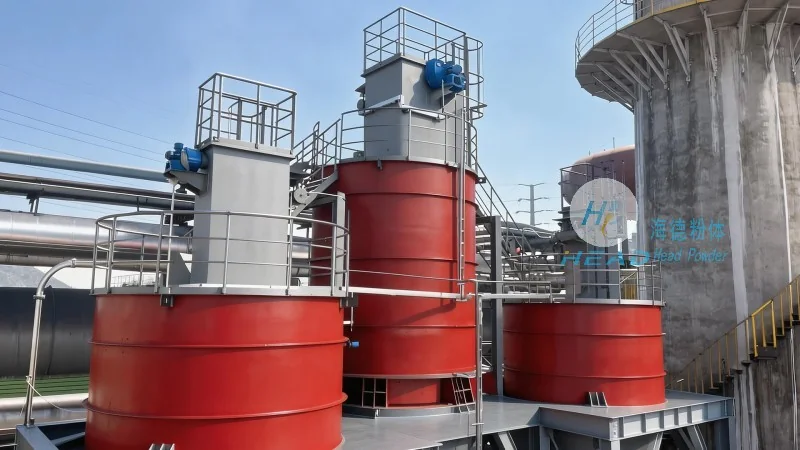
The copper powder pneumatic conveying equipment typically consists of several core components that work in tandem to achieve effective material transport. The primary components include a hopper for material storage, a rotary valve or feeder to control the flow of copper powder, a conveying line (often equipped with pressure vessels or vacuum systems), and a receiver for the discharged material. Each component plays a critical role in maintaining the system's efficiency and safety. The hopper ensures a consistent supply of copper powder, while the feeder regulates the flow rate to match the conveying system's capacity. The conveying line, which may operate under positive pressure or negative pressure (vacuum), transports the powder from the source to the destination. The receiver collects the material at the end of the line, preventing dust and ensuring proper handling.
Operation Process of the Pneumatic Conveying System
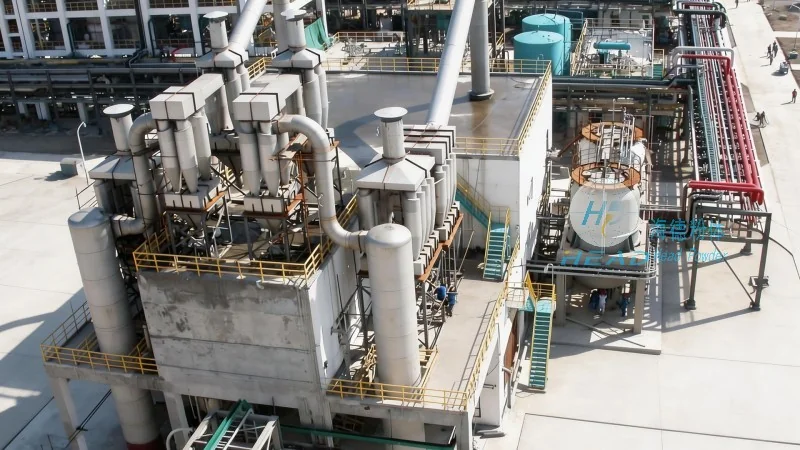
The operation of a copper powder pneumatic conveying system involves a series of steps that ensure smooth and continuous material transport. The process begins with the loading of copper powder into the hopper. The rotary valve or feeder then starts, controlling the flow of powder into the conveying line. Simultaneously, the conveying medium—usually air or a mixture of air and other gases—is introduced into the system. In positive pressure systems, the air is compressed and forced through the conveying line, carrying the copper powder particles. In negative pressure (vacuum) systems, the air is drawn out of the line, creating a vacuum that pulls the powder from the hopper. The system maintains a consistent pressure or vacuum level to ensure the powder is transported without clogging or degradation. The receiving hopper at the end of the line collects the copper powder, and the system can be adjusted to handle varying flow rates and material types.
Working Principle of Pneumatic Conveying
The working principle of copper powder pneumatic conveying equipment is based on the physical properties of the material and the behavior of the conveying medium. The system relies on the principle of fluidization, where the powder particles are suspended and transported by the moving air stream. In positive pressure systems, the air pressure is higher than the ambient pressure, creating a force that pushes the powder through the line. The velocity of the air is crucial; it must be sufficient to keep the powder particles in suspension but not so high as to cause excessive wear on the equipment or degrade the powder. In negative pressure systems, the vacuum created by the air extraction pulls the powder, requiring careful control of the vacuum level to prevent dust emissions and ensure efficient transport. The system's design, including the size of the conveying line, the type of air nozzles, and the flow control mechanisms, is tailored to the specific characteristics of copper powder, such as its particle size, density, and moisture content. This ensures optimal performance and minimal material degradation during transport.
Advantages and Applications
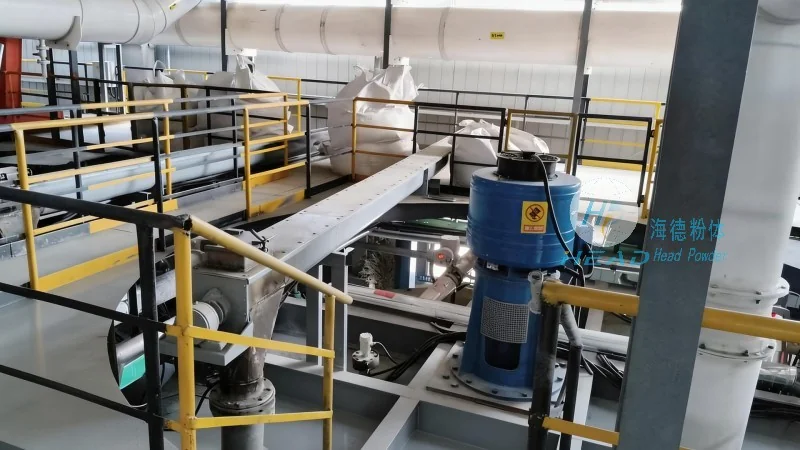
Copper powder pneumatic conveying systems offer several advantages over traditional mechanical conveying methods. These include reduced material loss, as the system is enclosed and sealed, preventing dust and spillage. The equipment also minimizes the risk of contamination, which is critical in applications where copper powder is used in electronics, aerospace, or pharmaceuticals. Additionally, the systems are compact and can be integrated into existing production lines, reducing installation time and costs. The flexibility of pneumatic conveying allows for vertical, horizontal, or mixed (up and down) transport, making it suitable for various industrial settings. Applications of these systems include the transport of copper powder in smelting plants, powder metallurgy, and the manufacturing of copper-based alloys. The systems are also used in research and development laboratories where precise control over powder handling is essential.




