Caustic soda, or sodium hydroxide, is a vital chemical reagent used across multiple industrial sectors, including chemical synthesis, paper production, and water treatment. The efficient and safe handling of caustic soda is paramount for maintaining production efficiency and ensuring workplace safety. Pneumatic conveying systems have become a preferred method for transporting caustic soda due to their ability to minimize contamination, reduce labor costs, and enhance process control. This article explores the operation process and working principle of caustic soda pneumatic conveying system equipment, detailing how these systems function and the key components that contribute to their effectiveness.
Key Components of the Pneumatic Conveying System
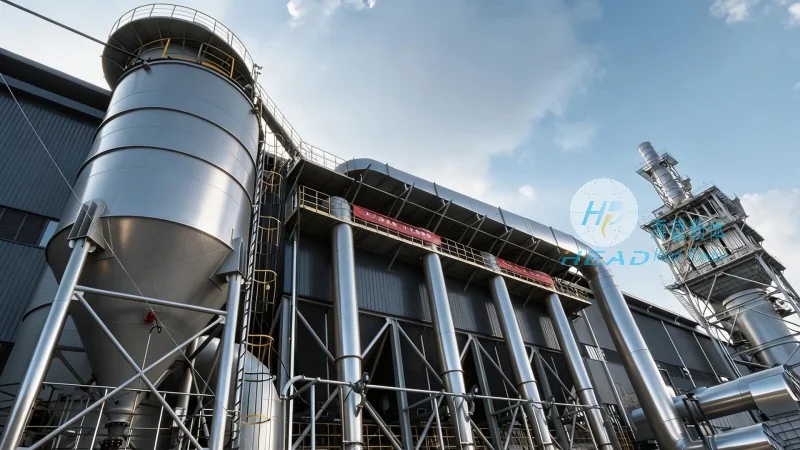
The caustic soda pneumatic conveying system comprises several essential components that work in concert to facilitate material transport. These components include the storage hopper, material feeder, air compressor, conveying pipeline, and dust collection unit. The storage hopper is designed to hold caustic soda in a controlled environment, preventing moisture absorption and contamination. The material feeder, typically a rotary valve or screw feeder, regulates the flow of caustic soda from the hopper into the conveying line, ensuring a consistent feed rate. The air compressor generates the necessary compressed air to create the pressure differential required for material transport. The conveying pipeline, constructed from corrosion-resistant materials such as stainless steel, ensures the safe and efficient movement of caustic soda while minimizing material degradation. The dust collector captures any fine particles or dust generated during the conveying process, ensuring environmental compliance and operational safety.
Operation Process of the Caustic Soda Pneumatic Conveying System
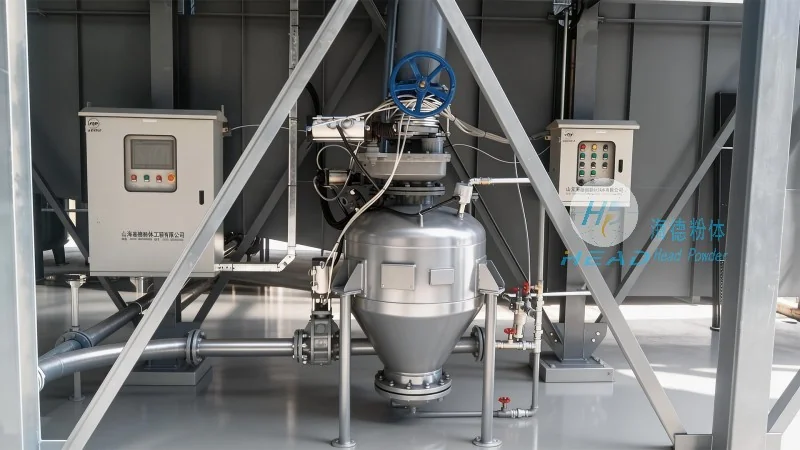
The operation of the caustic soda pneumatic conveying system follows a systematic sequence that ensures continuous and reliable material transport. The process begins with the loading of caustic soda into the storage hopper. The material feeder then controls the discharge rate, feeding the caustic soda into the conveying pipeline at a controlled speed. Simultaneously, the air compressor supplies compressed air to the pipeline, creating a pressure differential that propels the caustic soda forward. As the material travels through the pipeline, it is mixed with the air, forming a slurry-like mixture that facilitates efficient transport. The system maintains a consistent flow rate by adjusting the air pressure and feeder speed as needed. Upon reaching the destination, the caustic soda is discharged into the receiving vessel, and the air is filtered and recycled back to the compressor. This cycle repeats continuously, ensuring uninterrupted production flow and minimizing downtime.
Working Principle of the Pneumatic Conveying System
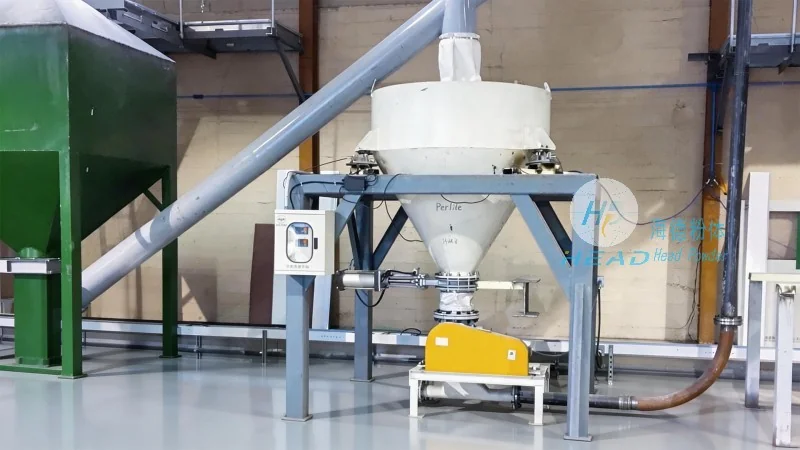
The working principle of the caustic soda pneumatic conveying system is based on the fundamental concept of pneumatic transport, where compressed air is used to move solid materials through a pipeline. The system operates by creating a pressure differential between the inlet and outlet of the conveying pipeline. When compressed air is introduced into the pipeline, it creates a low-pressure zone that draws the caustic soda particles into the air stream. The air flow overcomes the gravitational force acting on the particles, allowing them to be carried through the pipeline. The key to efficient transport lies in maintaining an optimal air-to-material ratio, which balances the need for sufficient air to move the material with the requirement to minimize air consumption and energy costs. The system can utilize either positive pressure (air blown into the pipeline) or negative pressure (air drawn from the pipeline), depending on the specific application and distance of transport. Positive pressure systems are commonly used for short to medium-distance conveying, while negative pressure systems are suitable for longer distances or when handling fine powders. The working principle ensures that the caustic soda is transported in a dry and clean manner, without the need for additional equipment like conveyor belts or buckets, thus reducing the risk of material spillage and contamination.
About Shandong HeadPowder Engineering Co., Ltd.
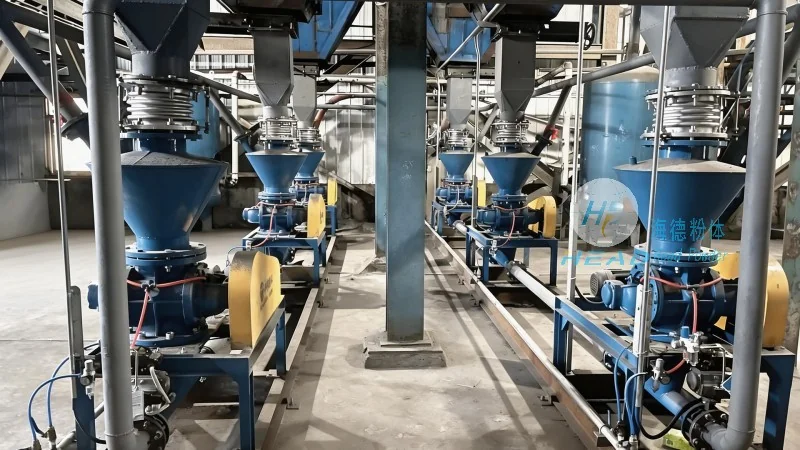
Shandong HeadPowder Engineering Co., Ltd., operating under the brand name headpowder, is a leading manufacturer and supplier of industrial conveying equipment, specializing in caustic soda pneumatic conveying systems. Headpowder has built a strong reputation in the chemical processing industry by delivering high-quality, reliable equipment that meets the stringent requirements of its clients. The company's manufacturing facilities are located in Shandong, China, where advanced production technologies and a skilled workforce enable the production of customized pneumatic conveying systems tailored to specific industrial needs. Headpowder adheres to international quality standards and provides comprehensive after-sales support, ensuring customer satisfaction and long-term operational reliability. With a focus on innovation and customer-centric solutions, Headpowder serves a diverse range of industries, including chemical manufacturing, pharmaceuticals, and food processing, by offering tailored solutions that enhance operational efficiency and safety. The company's commitment to excellence has made it a trusted partner for businesses seeking to optimize their material handling processes.




