Heavy calcium powder, a crucial raw material in various industrial applications, requires efficient and reliable handling solutions. The pneumatic conveying system, particularly designed for heavy calcium powder, offers a robust method to transport this material from one location to another with precision and minimal loss. This article delves into the operation process and working principle of such systems, highlighting the technical aspects and practical applications that make them indispensable in modern manufacturing processes.
Company Overview: Shandong HeadPowder Engineering Co., Ltd.
As a leading provider in the field, Shandong HeadPowder Engineering Co., Ltd. specializes in the design, manufacturing, and installation of advanced pneumatic conveying systems. With a focus on heavy calcium powder handling, the company leverages years of industry experience to deliver customized solutions that meet the specific needs of clients. HeadPowder's commitment to quality and innovation ensures that each system is engineered to optimize performance, reduce operational costs, and enhance overall productivity. The company's headquarters is located in Shandong, China, where it maintains a strong presence in the regional industrial landscape.
Key Components of the Pneumatic Conveying System
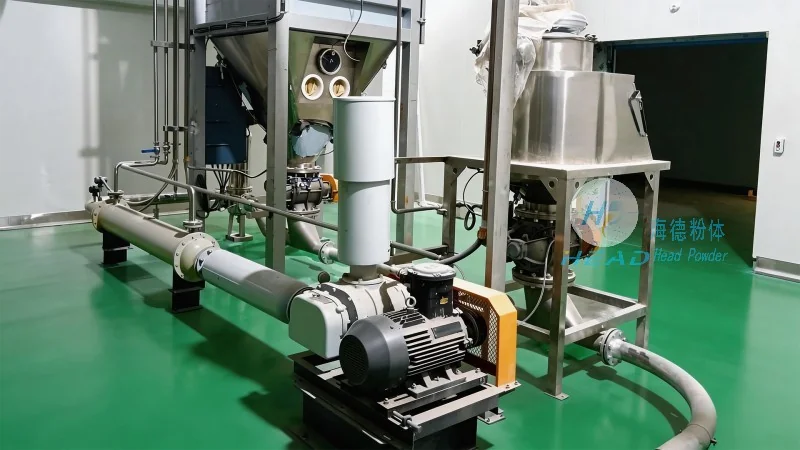
The heavy calcium powder pneumatic conveying system consists of several critical components that work in tandem to facilitate material transport. These include the hopper for material storage, the air compressor that generates the necessary air pressure, the pipeline network that carries the material, and the control system that regulates the entire process. Each component plays a vital role in ensuring the smooth and efficient operation of the system. The hopper is designed to hold a substantial quantity of heavy calcium powder, providing a consistent feed to the system. The air compressor, typically a high-pressure unit, generates the air flow required to move the powder through the pipeline. The pipeline network, often made of durable materials such as stainless steel or PVC, is engineered to withstand the abrasive nature of heavy calcium powder and maintain airtight integrity. The control system, equipped with sensors and automation features, monitors the flow rate, pressure, and other parameters to ensure optimal performance and prevent any potential issues.
Operation Process of the Pneumatic Conveying System
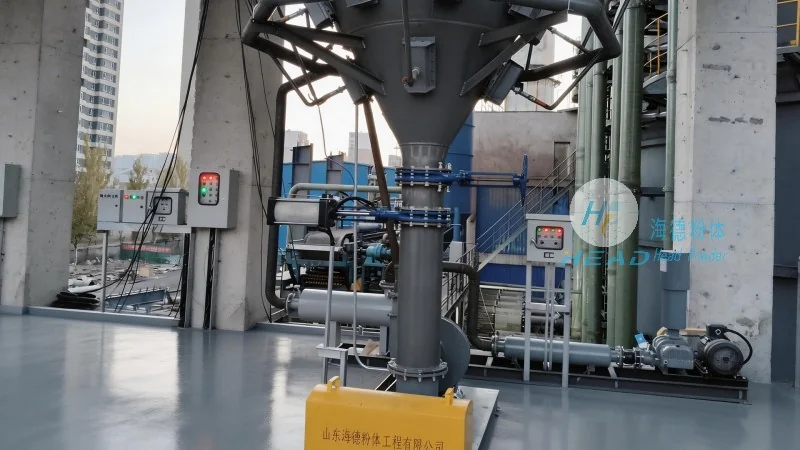
The operation of the heavy calcium powder pneumatic conveying system follows a systematic process that ensures efficient material transport. Initially, the heavy calcium powder is fed into the hopper from a storage silo or a bulk container. The material then flows into the pipeline through an airlock or a rotary valve, which controls the discharge rate. Simultaneously, the air compressor starts and generates high-pressure air, which is introduced into the pipeline. The air and powder mixture travels through the pipeline, with the air providing the necessary force to move the powder. The system is designed to maintain a consistent air-to-powder ratio to ensure stable transport. The material is then discharged at the receiving end, typically into a storage tank or a processing unit. The control system continuously monitors the pressure and flow rates, adjusting the air compressor output as needed to maintain optimal conditions. This process is repeated as required, allowing for continuous and uninterrupted material transport.
Working Principle of the Pneumatic Conveying System
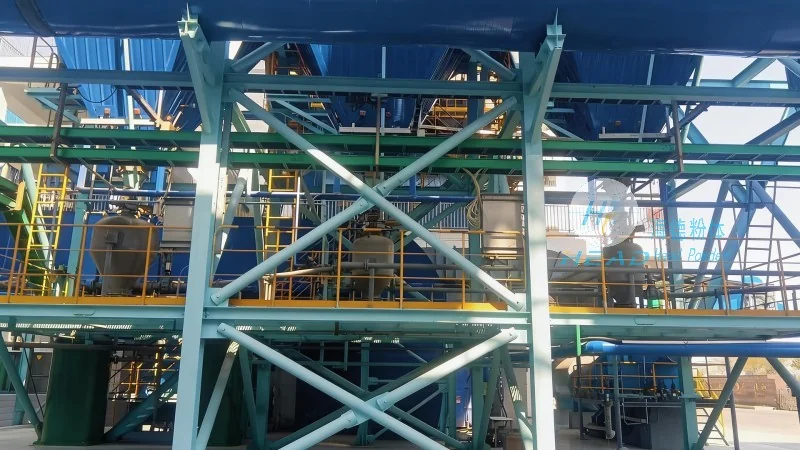
The working principle of the heavy calcium powder pneumatic conveying system is based on the principles of fluid dynamics and particle transport. The system utilizes compressed air to create a flow that carries the heavy calcium powder particles through the pipeline. The air pressure is sufficient to overcome the gravitational force and the frictional resistance of the powder particles, enabling them to move along the pipeline. The system operates in either positive or negative pressure modes, depending on the application and the distance of transport. In positive pressure systems, the air is forced into the pipeline, pushing the powder forward. In negative pressure systems, the air is drawn out of the pipeline, creating a vacuum that pulls the powder. The choice between these modes depends on factors such as the distance to be covered, the material characteristics, and the system layout. The efficiency of the system is determined by the air-to-powder ratio, which must be optimized to prevent material degradation and ensure consistent flow. Proper maintenance and regular inspections are essential to maintain the system's performance and prevent any operational issues.
Benefits and Applications of Heavy Calcium Powder Pneumatic Conveying Systems
The heavy calcium powder pneumatic conveying system offers numerous benefits that make it a preferred choice for industrial applications. These include high efficiency in material transport, reduced labor costs due to automated processes, and minimal material loss during handling. The system is also designed to handle abrasive materials like heavy calcium powder without causing wear and tear on the components. Additionally, the system can be customized to suit various industrial requirements, including different material capacities, transport distances, and environmental conditions. The applications of such systems are widespread, encompassing industries such as construction, pharmaceuticals, food processing, and chemical manufacturing. In construction, heavy calcium powder is used in the production of cement and other building materials, where the system ensures efficient delivery to the production sites. In pharmaceuticals, the system is used to transport raw materials for drug manufacturing, ensuring a clean and hygienic process. In food processing, the system handles calcium supplements and other food additives, maintaining product quality and safety. Overall, the heavy calcium powder pneumatic conveying system is a versatile and reliable solution that enhances productivity and operational efficiency in various industrial sectors.




