Denitrization fly ash, also known as desulfurization ash or flue gas desulfurization (FGD) ash, is a byproduct generated during the flue gas treatment process in thermal power plants and industrial facilities. This powder is rich in calcium and other minerals, making it valuable for applications in cement production, soil stabilization, and other construction materials. Efficient and reliable powder conveying systems are essential to transport this material from the storage or processing areas to the end-use locations. This article provides an overview of the operation process and working principle of denitrization fly ash powder conveying systems, highlighting key components, operational steps, and the role of specialized equipment in ensuring smooth and safe material transport, as offered by Shandong HeadPowder Engineering Co., Ltd.
Key Components of Denitrization Fly Ash Powder Conveying Systems
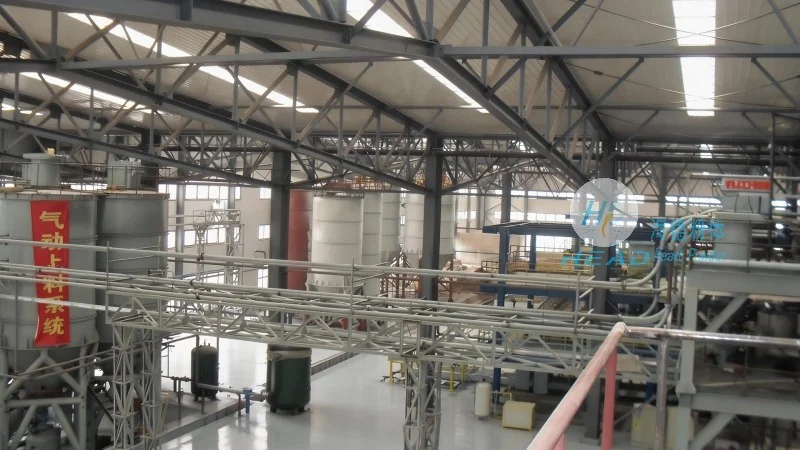
The denitrization fly ash powder conveying system typically consists of several critical components that work in tandem to achieve efficient material transport. These components include the ash storage silo or hopper, a feeder or metering device, a conveying line (such as a pneumatic or mechanical conveyor), and a discharge unit at the destination. The storage silo is designed to hold the bulk ash, providing a stable and controlled environment for material storage. The feeder, often a rotary valve or a screw feeder, regulates the flow of ash from the silo into the conveying line, ensuring a consistent and controlled feed rate. The conveying line, which can be pneumatic (using air pressure to move the ash) or mechanical (using belts, screws, or other mechanical means), transports the ash from the source to the destination. The discharge unit at the end of the line then releases the ash into the receiving container or processing equipment. Each component plays a crucial role in maintaining the integrity of the ash and ensuring efficient transport, minimizing dust generation and material loss. The systems developed by Shandong HeadPowder Engineering Co., Ltd. incorporate advanced materials and engineering designs to enhance durability and performance.
Working Principle of the Conveying Process
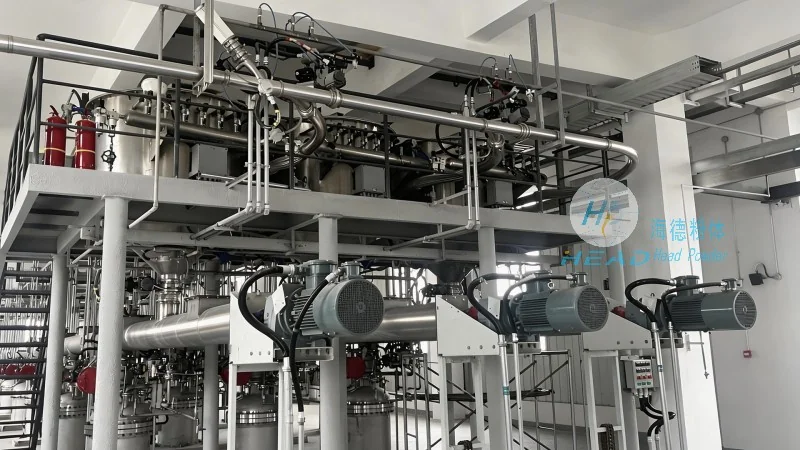
The operation of a denitrization fly ash powder conveying system follows a systematic process, starting with material storage and ending with discharge at the destination. The process begins with the ash being stored in the silo, where it is kept under controlled conditions to prevent agglomeration and maintain its flowability. The feeder then activates, drawing the ash from the silo and feeding it into the conveying line at a predetermined rate. For pneumatic conveying systems, the ash is mixed with air or a carrier gas, which is then pumped through the conveying line using a blower or compressor. The air pressure propels the ash particles through the pipeline, ensuring uniform transport. In mechanical conveying systems, such as screw conveyors or belt conveyors, the ash is moved by rotating components or moving belts, which push the material along the line. The conveying line is designed with appropriate diameters and slopes to facilitate smooth flow, and the system is equipped with pressure sensors and flow meters to monitor the process in real-time. At the destination, the discharge unit separates the ash from the air (in pneumatic systems) or stops the conveyor (in mechanical systems), allowing the ash to be deposited into the receiving container. The entire process is automated and controlled by a central system, which adjusts the feed rate, pressure, or speed based on real-time monitoring data to maintain optimal performance. The control mechanisms, integrated by Shandong HeadPowder Engineering Co., Ltd., ensure precise and reliable operation.
Operational Steps and Control Mechanisms
The operational steps of a denitrization fly ash powder conveying system involve several key actions that ensure the system runs smoothly and safely. The first step is the preparation phase, where the system is checked for any blockages or malfunctions. This includes inspecting the silo, feeder, and conveying line for any debris or clogs. Once the system is cleared, the feeder is activated to start the material flow. The control system then monitors the flow rate and pressure, adjusting the feeder speed or air pressure as needed to maintain a consistent flow. During operation, the system continuously monitors parameters such as pressure, temperature, and flow rate, alerting operators to any deviations from the normal operating range. If a blockage occurs, the system automatically shuts down to prevent damage and allows operators to clear the blockage. The discharge phase involves stopping the feeder and conveying line, and then releasing the ash into the receiving container. The system then returns to the standby mode, ready for the next cycle. The control mechanisms, which can be manual or automated, provide flexibility and reliability, ensuring that the system can adapt to changing conditions and maintain optimal performance throughout the operation. Shandong HeadPowder Engineering Co., Ltd. specializes in designing control systems that enhance operational efficiency and safety.
Benefits and Applications of Efficient Conveying Systems
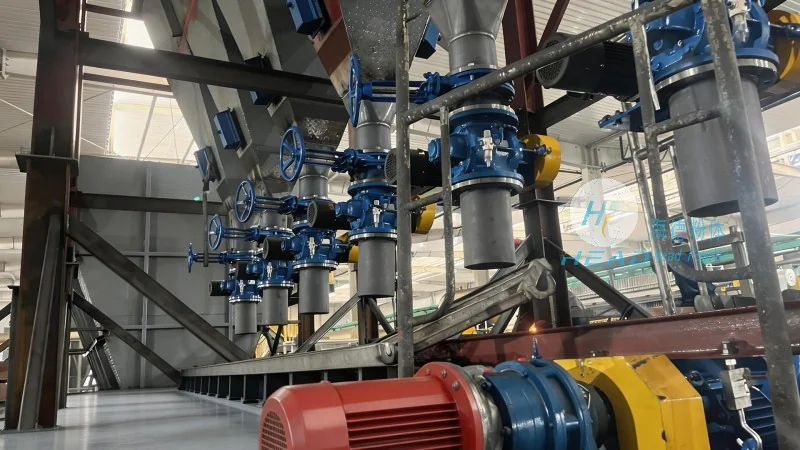
Efficient denitrization fly ash powder conveying systems offer several benefits that are crucial for industrial applications. First, they ensure the consistent and reliable transport of ash, which is essential for maintaining the quality of end products, such as cement or soil stabilization materials. The consistent flow rate helps in achieving uniform material properties, which is critical for meeting product specifications. Second, these systems minimize dust generation and material loss, which improves safety and environmental compliance. The enclosed design of the conveying line and the use of dust collection systems help in controlling air emissions and maintaining a clean working environment. Third, the automated control systems reduce the need for manual intervention, improving operational efficiency and reducing labor costs. The systems are also designed to be durable and low-maintenance, with components that are resistant to corrosion and wear from the ash particles. These benefits make denitrization fly ash powder conveying systems an essential part of the material handling process in power plants and industrial facilities, enabling the effective utilization of this valuable byproduct. Shandong HeadPowder Engineering Co., Ltd. provides tailored solutions to meet the specific needs of various industrial applications.




