High-alumina fly ash, a byproduct of coal combustion in thermal power plants, is a valuable material used in construction and industrial applications. Efficient and reliable powder conveying systems are essential for handling this material, ensuring safe and consistent transport from storage to processing facilities. This article provides an overview of the operation process and working principles of high-alumina fly ash powder conveying systems, highlighting key components, operational steps, and technical considerations. The information is presented by Shandong HeadPowder Engineering Co., Ltd., a leading provider of engineering solutions for powder handling and conveying systems, with operations based in Shandong, China.
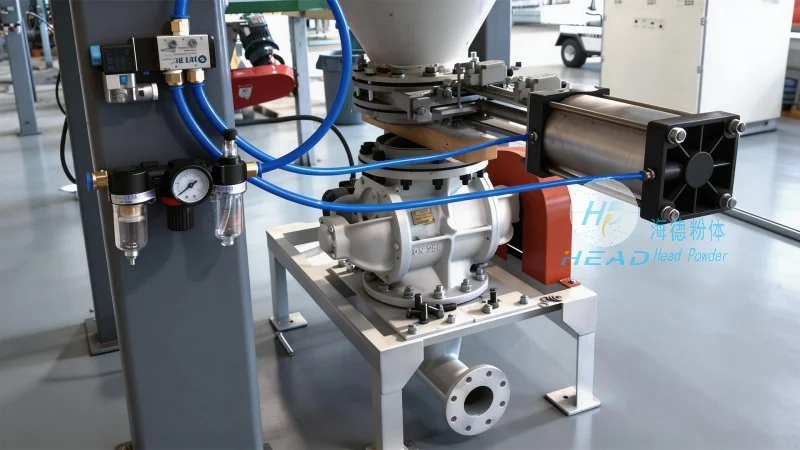
Key Components of the Conveying System
The high-alumina fly ash powder conveying system typically consists of several critical components that work in tandem to ensure smooth material transport. These components include hoppers for material storage, feeders to control the flow rate, conveyor lines (such as pneumatic or mechanical systems), and dust collection equipment to maintain air quality. Each component plays a vital role in the overall efficiency and safety of the conveying process.
Operation Process of the Conveying System
The operation process of high-alumina fly ash powder conveying involves several sequential steps. First, the fly ash is stored in a hopper, where it is collected from the power plant's ash handling system. The hopper is designed to maintain a consistent material level, preventing overfilling or underfilling. Next, a feeder, often a rotary valve or a screw feeder, regulates the flow of fly ash from the hopper into the conveyor line. The feeder ensures a controlled and steady flow, which is crucial for preventing blockages and maintaining system efficiency.
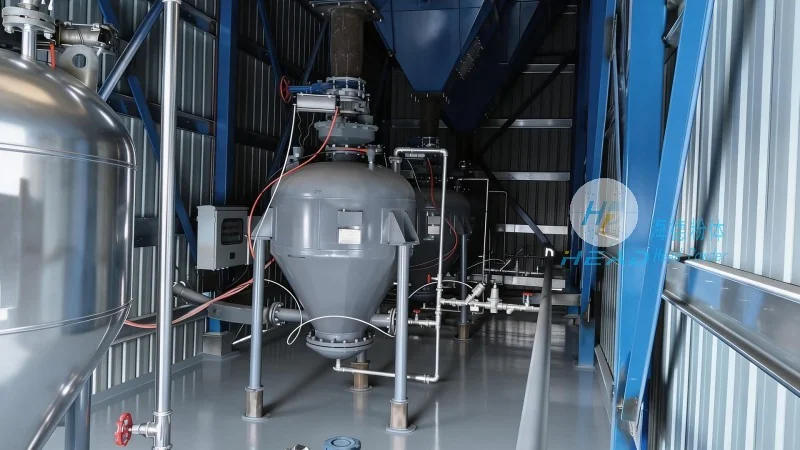
Once the fly ash is fed into the conveyor line, it is transported to the processing or storage destination. Pneumatic conveying systems use compressed air to move the powder through pipes, while mechanical systems rely on screw conveyors or belt conveyors. The choice of system depends on factors such as material properties, distance, and required flow rate. During transport, the system may include intermediate hoppers or surge bins to accommodate fluctuations in material supply or demand.
Working Principles of the Conveying System
The working principles of high-alumina fly ash powder conveying systems are based on the physics of powder flow and air movement. In pneumatic systems, the fly ash particles are suspended in a stream of air, which carries them through the pipeline. The air velocity must be sufficient to overcome the gravitational force acting on the particles, ensuring they remain in suspension and do not settle out. The pressure drop along the pipeline is carefully managed to maintain consistent flow rates and prevent pressure buildup that could lead to system failure.
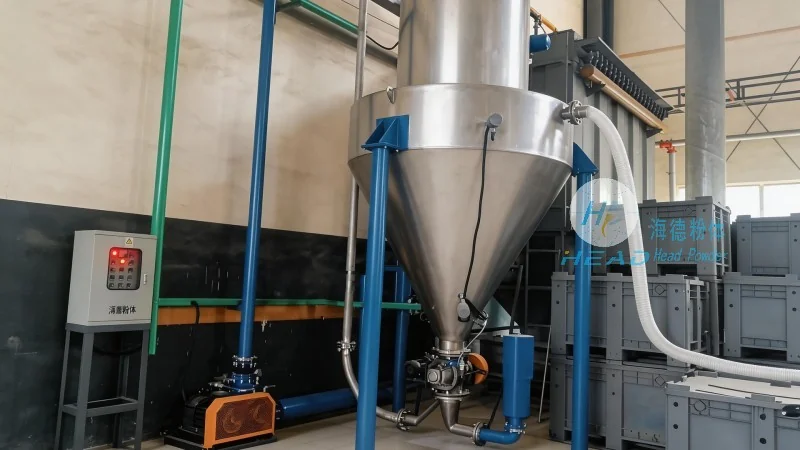
For mechanical systems, the working principle involves the rotation of a screw or belt to move the fly ash forward. The screw conveyor uses a rotating screw to push the material along the trough, while the belt conveyor relies on a moving belt to transport the powder. These systems are often used for shorter distances or when the material is less abrasive, as they require less maintenance compared to pneumatic systems.
Technical Considerations for High-Alumina Fly Ash Conveying
Several technical considerations are essential for the successful operation of high-alumina fly ash powder conveying systems. One key factor is the material's properties, such as its density, moisture content, and particle size distribution. High-alumina fly ash is typically fine and abrasive, which can cause wear on system components like hoppers, feeders, and conveyor lines. Therefore, materials like stainless steel or special alloys are often used for these parts to extend their lifespan.
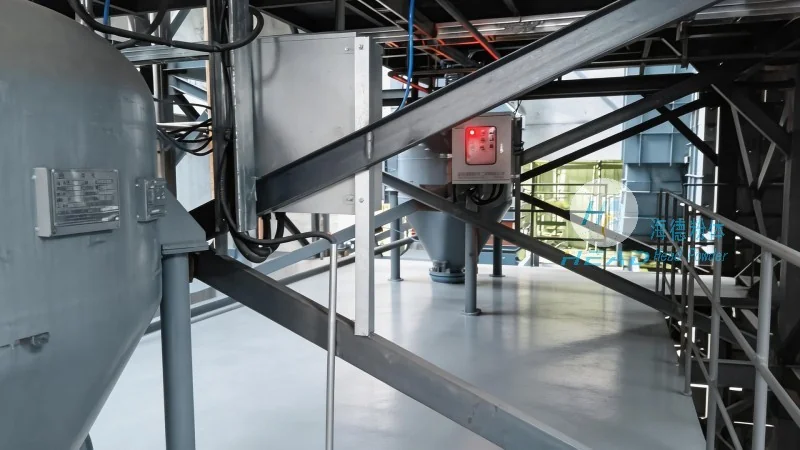
Another important consideration is dust control. Fly ash is a fine powder that can generate significant dust during handling, which poses health and safety risks. The system must include effective dust collection equipment, such as cyclones or baghouses, to capture and remove airborne particles. Proper ventilation and filtration systems are also necessary to maintain a safe working environment.
Conclusion
Efficient high-alumina fly ash powder conveying systems are critical for the smooth operation of thermal power plants and related industrial facilities. By understanding the operation process and working principles of these systems, operators can optimize performance, minimize downtime, and ensure compliance with safety and environmental regulations. The expertise of companies like Shandong HeadPowder Engineering Co., Ltd. plays a vital role in designing and implementing reliable conveying solutions tailored to specific project requirements.




