Shandong HeadPowder Engineering Co., Ltd., commonly known as headpowder, specializes in the design and implementation of efficient bulk material handling solutions. Based in Shandong, China, the company has built a reputation for delivering reliable systems tailored to the unique characteristics of sweet potato powder. This article explores the operational workflow and underlying principles that govern the smooth and effective transport of sweet potato powder from source to destination.
The Operational Workflow of Sweet Potato Powder Handling
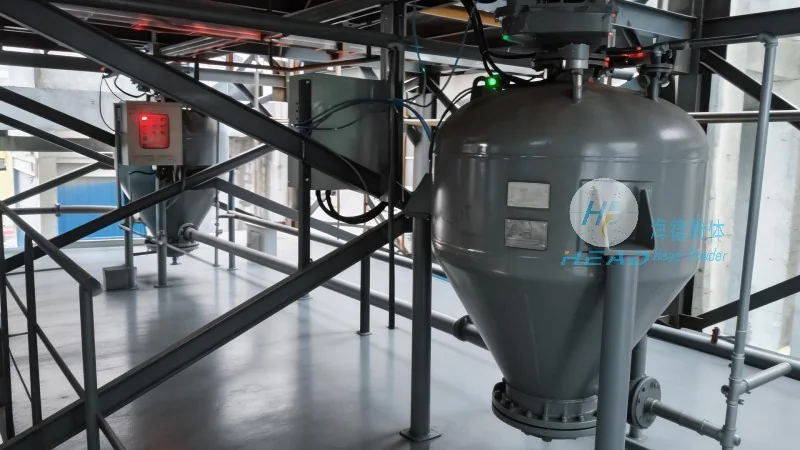
The process of handling sweet potato powder begins with the initial collection and preparation of the raw material. Sweet potato powder, a fine and often hygroscopic powder, requires careful handling to maintain its quality and prevent issues such as caking or agglomeration. At headpowder, the workflow is structured to ensure each step is optimized for efficiency and product integrity. The first stage involves the reception and storage of the powder, where it is typically stored in bulk silos or hoppers designed to minimize exposure to moisture and air. From the storage silo, the powder is transferred to the processing area through a series of conveyors, often using pneumatic or mechanical systems depending on the specific requirements of the application.
Once in the processing area, the powder may undergo additional steps such as screening, grading, or blending to meet the desired specifications. These processes are integrated into the overall handling system to ensure consistency in the final product. After processing, the powder is then routed to the discharge point, where it is loaded into packaging or further transported to other facilities. The entire workflow is designed to minimize downtime and maximize throughput, with each component working in harmony to achieve seamless material flow.
Working Principles of Bulk Material Handling for Sweet Potato Powder
The core of the sweet potato powder handling system lies in the principles of bulk material handling, which involve the movement of solid materials in bulk form without individual packaging. For sweet potato powder, this typically involves the use of pneumatic conveying systems, screw conveyors, and bucket elevators, each chosen based on factors like material properties, distance, and required speed. Pneumatic conveying, for instance, uses air pressure to transport the powder through pipes, making it ideal for long-distance or high-volume applications. The system includes components such as air locks, filters, and cyclones to ensure the powder is conveyed efficiently while maintaining air quality and preventing dust contamination.
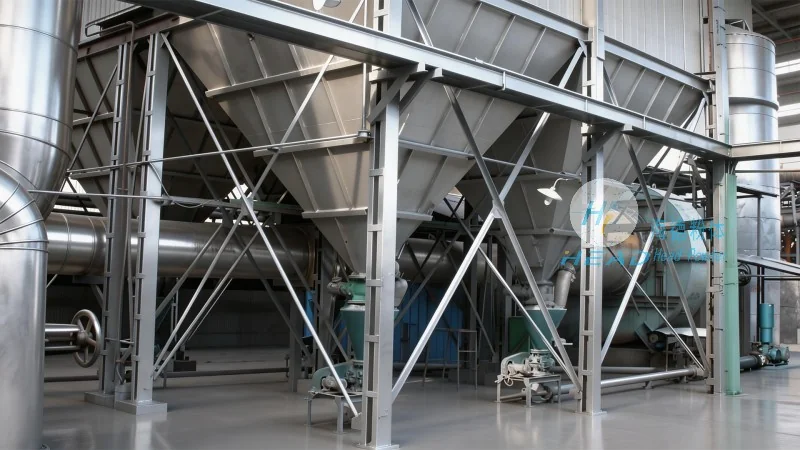
Another key principle is the use of mechanical conveyors, such as screw or belt conveyors, which are effective for horizontal or slight incline transport. These systems are often used in the initial stages of handling, where the powder is moved from the storage silo to the processing equipment. The design of these conveyors takes into account the flow properties of sweet potato powder, including its bulk density and angle of repose, to ensure smooth and consistent movement. Additionally, the system incorporates control mechanisms, such as variable speed drives and sensors, to monitor and adjust the flow rate in real-time, adapting to changes in material feed or system load.
Key Components and Their Roles in the Handling Process
Several critical components work together to ensure the effective operation of the sweet potato powder handling system. The storage silo or hopper is the first component, providing a large capacity for storing the powder and maintaining its quality by minimizing exposure to environmental factors. The silo is equipped with a discharge valve or gate that controls the flow of powder into the conveyor system. The conveyor itself, whether pneumatic or mechanical, is responsible for transporting the powder from the storage area to the processing or discharge point. For pneumatic systems, the air compressor and filter system are essential, as they generate the necessary air pressure and ensure clean air to avoid contamination.
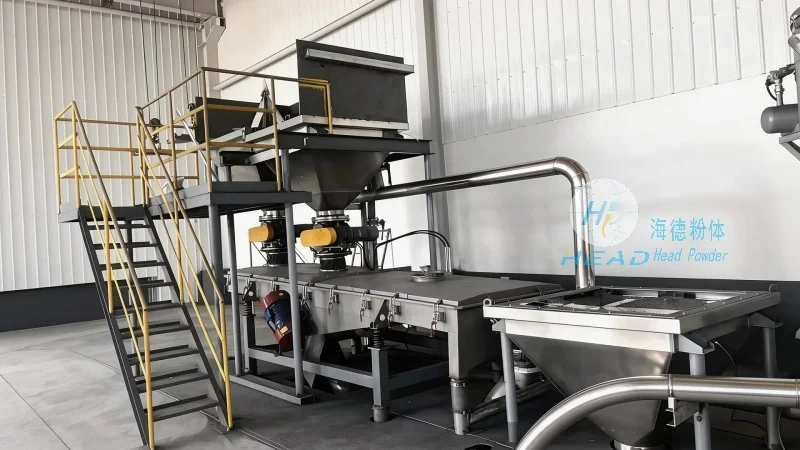
The air lock and cyclone separator are crucial for maintaining the integrity of the powder and the cleanliness of the air system. The air lock prevents the backflow of powder into the silo while allowing air to pass through, while the cyclone separates the powder from the air stream, collecting the powder and returning it to the system or to a collection bin. Sensors and control panels are also integral, providing real-time data on flow rates, pressure, and other parameters, allowing operators to monitor and adjust the system as needed. These components work in concert to ensure the system operates efficiently and reliably, minimizing downtime and maximizing productivity.
Ensuring Efficiency and Reliability in Sweet Potato Powder Handling
Efficiency and reliability are paramount in the handling of sweet potato powder, as any disruption can lead to quality issues or operational delays. headpowder employs advanced technology and robust design principles to ensure the system meets these requirements. Regular maintenance and monitoring are key to maintaining the performance of the components, such as cleaning the cyclone filters or lubricating the conveyor bearings. The use of high-quality materials, such as stainless steel for contact parts, helps prevent corrosion and contamination, which is critical for maintaining the purity of sweet potato powder.
Furthermore, the system is designed with flexibility in mind, allowing for adjustments to accommodate changes in production volume or material characteristics. This adaptability ensures that the handling system can evolve with the needs of the business, providing long-term value and reliability. By integrating these principles and components, headpowder delivers systems that not only handle sweet potato powder efficiently but also contribute to the overall quality and consistency of the final product.




