Cement gray powder conveying machines are critical equipment in the construction and material handling sectors, engineered to efficiently transport bulk cement and other gray powders. These machines are indispensable for ensuring smooth material flow from storage to processing or application points. Understanding the operation process and working principles is essential for operators, engineers, and maintenance personnel to maximize efficiency and safety in industrial applications.
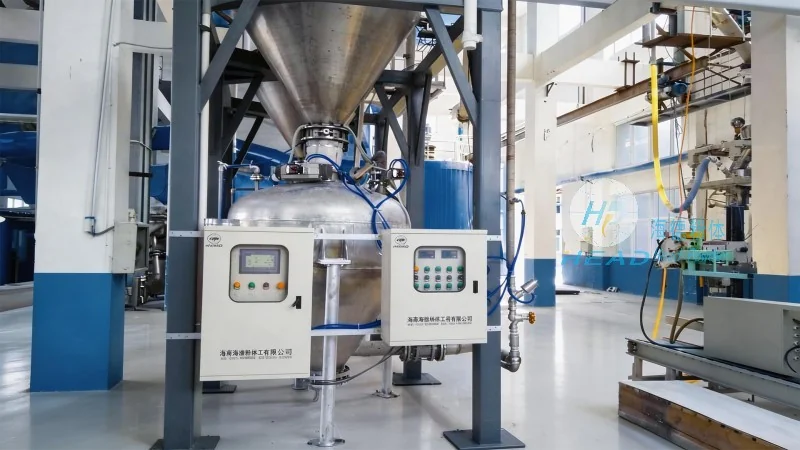
Key Components of Cement Gray Powder Conveying Machines
A typical cement gray powder conveying machine comprises several core components. These include the hopper for material storage, a feed mechanism to regulate flow, a conveyor system (such as screw or pneumatic conveyors) as the transport core, a control panel for monitoring and adjustment, and a discharge outlet for material release. The hopper holds the raw cement gray powder, while the feed mechanism controls the material input rate. The conveyor system, which may vary by application type, is responsible for moving the powder. The control panel allows operators to adjust parameters like speed and pressure, ensuring optimal performance. The discharge outlet delivers the conveyed material for further processing.
The Operation Process of Cement Gray Powder Conveying Machines
The operation process begins with loading the hopper with cement gray powder. The feed mechanism is activated to regulate the flow rate, preventing overloading or underloading that could cause inefficiencies or equipment damage. Once the feed is set, the conveyor system starts, moving the powder from the hopper to the discharge outlet. Conveyor speed is adjustable to match required throughput, ensuring consistent material delivery. The control panel continuously monitors parameters like pressure, flow rate, and temperature, automatically correcting deviations to maintain stable operation.
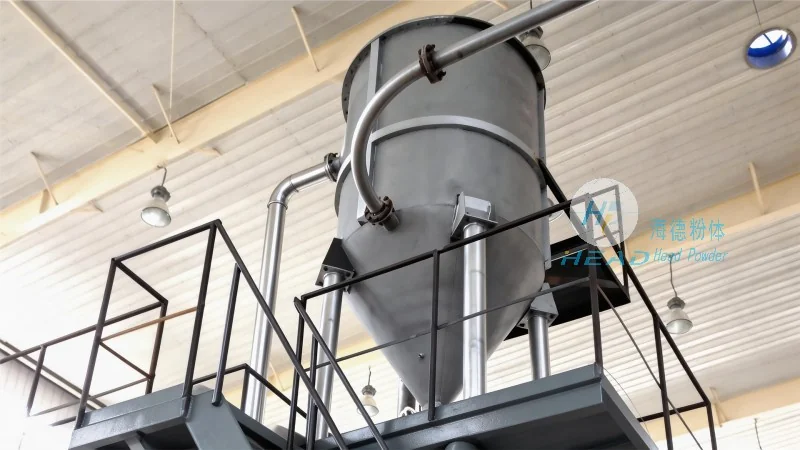
Working Principles of Cement Gray Powder Conveying Machines
The working principles of these machines rely on fluidization and mechanical transport. Pneumatic conveyors use air pressure to lift and move powder through pipelines. The hopper connects to a blower that generates air flow, creating a pressure differential to draw powder into the pipeline. The powder is carried by the air stream to the discharge point. Screw conveyors, on the other hand, use a rotating screw to push powder forward. The screw rotates at a controlled speed, with its pitch designed to minimize material degradation. Both systems convert motor energy into kinetic energy to move the powder, with the control system regulating energy input to meet operational demands.
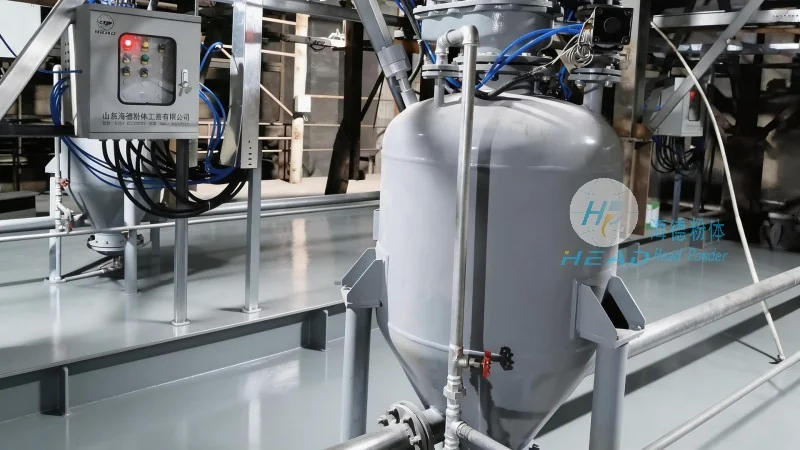
Benefits and Applications of Cement Gray Powder Conveying Machines
Cement gray powder conveying machines offer significant advantages in industrial settings. They enhance material transport efficiency, reduce labor costs, and improve production throughput. The machines handle high volumes of powder, making them suitable for large-scale construction projects and manufacturing processes. Precise control of conveying rate ensures consistent material delivery. These machines are widely used in cement plants, construction sites, and industrial facilities where cement and other gray powders need to be transported. Their ability to handle abrasive materials without excessive wear and tear makes them a cost-effective long-term solution.
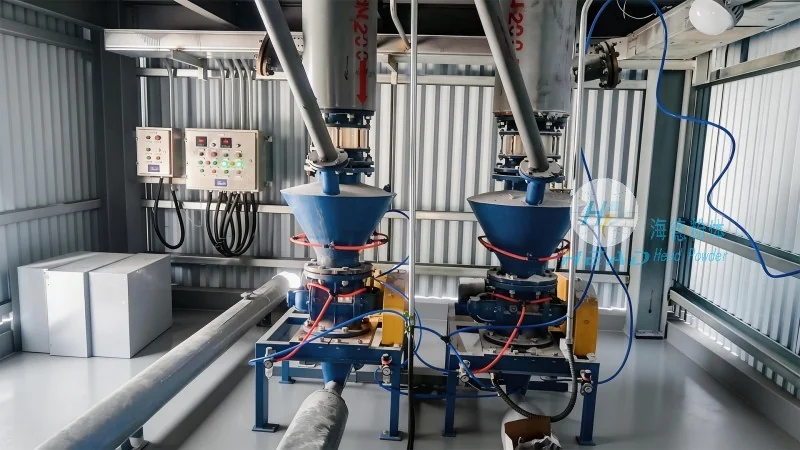
Maintenance and Safety Considerations
Proper maintenance is key to ensuring the longevity and performance of cement gray powder conveying machines. Regular checks include inspecting conveyor components (screw or air lines) for wear, checking the hopper and feed mechanism for blockages, and testing the control panel and sensors for functionality. Safety is paramount, as these machines handle bulk materials that can pose dust explosion or mechanical hazards. Implementing dust suppression systems and regular cleaning mitigates risks. Training operators on proper use and maintenance is essential to prevent accidents and ensure safe operation.
Conclusion
In summary, cement gray powder conveying machines are sophisticated equipment that play a vital role in efficient bulk material transport. The operation process involves precise control of feed mechanisms, conveyor speeds, and monitoring of operational parameters. Working principles, whether pneumatic or mechanical, ensure reliable material movement. The benefits of high efficiency, consistent performance, and cost-effectiveness make them indispensable in various industries. Proper maintenance and adherence to safety guidelines are crucial for maximizing equipment lifespan and performance. By understanding these processes, users can optimize machine use, enhancing productivity and safety in their operations.




