For industries dealing with polyethylene powder, efficient and reliable material handling is crucial. Polyethylene powder conveyors are specialized equipment designed to transport polyethylene powder safely and effectively. This article will explore the operation process and working principle of such conveyors, providing insights into how they function and the key components involved.
Key Components of Polyethylene Powder Conveyors
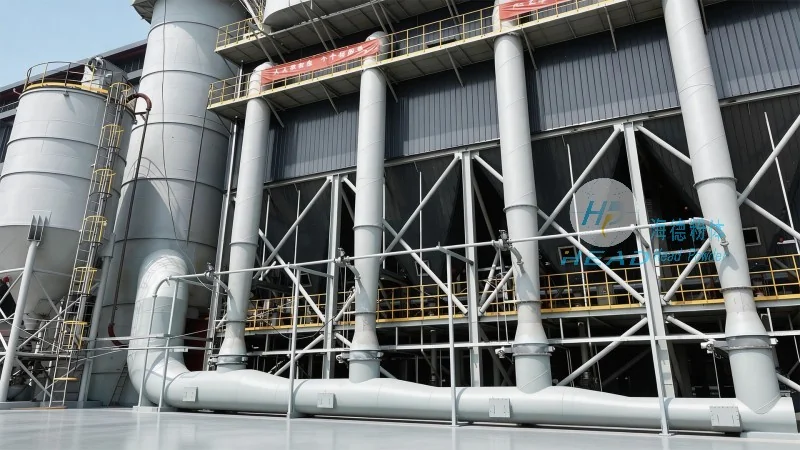
Polyethylene powder conveyors typically consist of several essential components that work in tandem to ensure smooth material transport. The primary components include a hopper for material storage, a conveyor system (such as screw or pneumatic conveyors), a control panel for operation, and safety features to prevent accidents. The hopper is designed to hold a sufficient quantity of polyethylene powder, ensuring a steady feed to the conveyor. The conveyor system, whether mechanical or pneumatic, is responsible for moving the powder from the hopper to the discharge point. The control panel allows operators to adjust the speed and direction of the conveyor, while safety features like sensors and emergency stops protect both the equipment and personnel.
Operation Process of Polyethylene Powder Conveyors
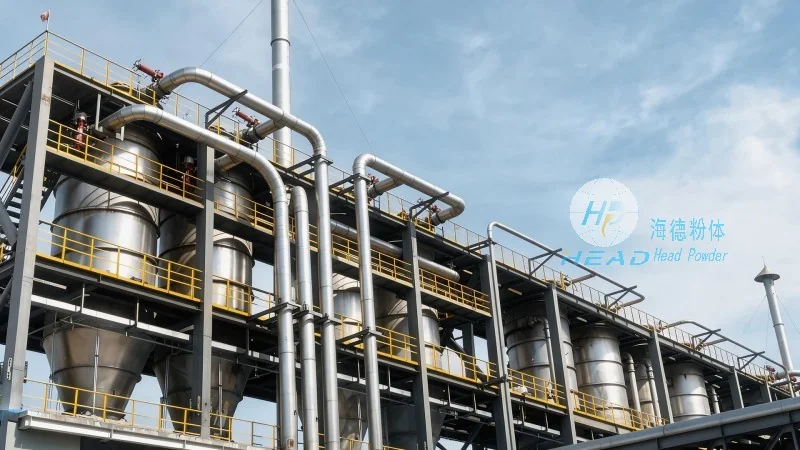
The operation process of a polyethylene powder conveyor begins with the loading of polyethylene powder into the hopper. Once the hopper is filled, the conveyor system starts to transport the powder. The conveyor may operate continuously or intermittently, depending on the system design and the requirements of the process. As the powder moves through the conveyor, it is guided along the designated path, ensuring that it reaches the discharge point without any blockages or spills. The control panel allows operators to monitor the conveyor's performance and make adjustments as needed. For example, if the powder flow is too slow, the operator can increase the conveyor speed to maintain an optimal flow rate. Conversely, if the flow is too fast, adjustments can be made to prevent material loss or equipment damage.
Working Principle of Polyethylene Powder Conveyors
The working principle of polyethylene powder conveyors varies depending on the type of conveyor system used. The most common types include screw conveyors, pneumatic conveyors, and belt conveyors. Screw conveyors use a rotating screw to push the powder forward, while pneumatic conveyors use air pressure to move the powder through a pipeline. Belt conveyors use a moving belt to transport the powder, similar to traditional belt systems used in other industries. Regardless of the type, the core principle is to create a force that overcomes the friction and gravity acting on the polyethylene powder, allowing it to move from the hopper to the discharge point. The efficiency of the conveyor depends on factors such as the powder's properties (e.g., density, moisture content), the conveyor's design, and the operating conditions. Proper maintenance and regular inspections are essential to ensure the conveyor operates efficiently and safely.
About Shandong HeadPowder Engineering Co., Ltd.
Shandong HeadPowder Engineering Co., Ltd., commonly known as HeadPowder, is a leading manufacturer of polyethylene powder handling equipment. With a focus on innovation and quality, HeadPowder has established itself as a trusted provider of conveyor systems and related solutions for industries dealing with polyethylene powder. The company's headquarters is located in Shandong, China, where it operates a state-of-the-art manufacturing facility and a dedicated research and development team. HeadPowder's products are designed to meet the specific needs of various industries, including plastics manufacturing, chemical processing, and food processing. The company adheres to strict quality standards and provides comprehensive after-sales support to ensure customer satisfaction. Whether it's a new installation or an upgrade to an existing system, HeadPowder offers tailored solutions that enhance productivity and safety in polyethylene powder handling operations.




