Understanding salt pneumatic conveying systems is crucial for industries dealing with bulk salt handling. This article, produced by Shandong HeadPowder Engineering Co., Ltd., delves into the fundamental concepts of salt pneumatic conveying and explores the key design principles that ensure efficient and reliable operation.
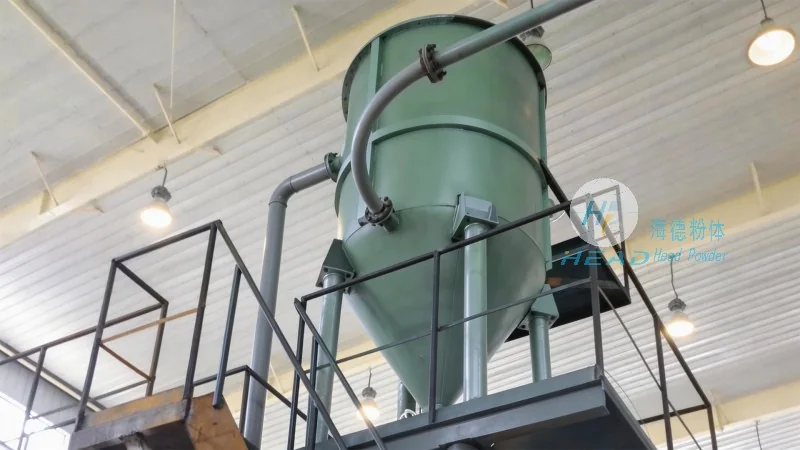
Introduction to Salt Pneumatic Conveying
Salt pneumatic conveying is a method of transporting bulk materials, such as table salt or industrial salt, through a pipeline using air or gas as the conveying medium. Unlike traditional mechanical conveying systems, which rely on belts, screws, or buckets, pneumatic systems use pressure or vacuum to move the material. This approach offers several advantages, including reduced equipment wear, lower maintenance costs, and the ability to handle materials in enclosed environments, minimizing dust and contamination.
Key Design Principles for Salt Pneumatic Conveying
The design of a salt pneumatic conveying system involves several critical principles that ensure optimal performance. These principles include material properties analysis, system pressure selection, pipeline layout optimization, and equipment selection. Each of these aspects plays a vital role in achieving efficient material transport and minimizing operational issues.
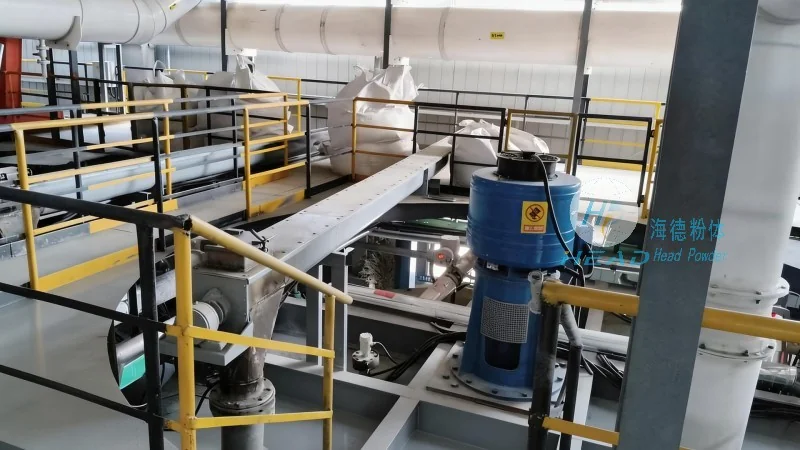
Material Properties Analysis
Before designing a salt pneumatic conveying system, it is essential to analyze the physical and chemical properties of the salt. Key factors include particle size distribution, moisture content, bulk density, and flowability. These properties determine the appropriate conveying velocity, pressure, and equipment type. For example, fine-grained salt may require higher air velocities to prevent blockages, while coarse salt can be conveyed at lower velocities with less risk of clogging.
System Pressure Selection
System pressure is a critical design parameter that affects the conveying distance and capacity of the system. There are two main types of pneumatic conveying systems: pressure and vacuum. Pressure systems use compressed air to push the material through the pipeline, while vacuum systems use a vacuum to pull the material. The choice between these systems depends on the application requirements, such as the distance to be covered and the need for enclosed handling. For salt applications, pressure systems are commonly used due to their ability to handle longer distances and higher capacities.
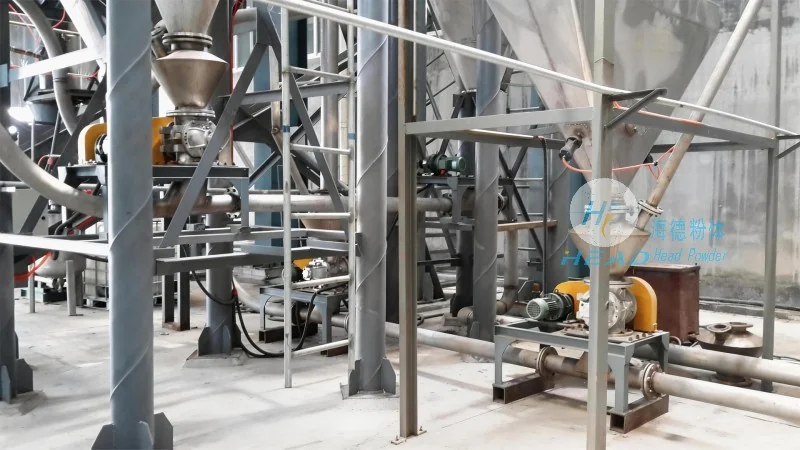
Pipeline Layout Optimization
The layout of the conveying pipeline is another crucial design consideration. The pipeline should be designed to minimize pressure drops and prevent material accumulation or blockages. This involves selecting appropriate pipe diameters, using appropriate bends and fittings, and incorporating features like surge tanks or filters to maintain system efficiency. Proper pipeline layout ensures that the salt flows smoothly through the system without causing excessive wear or maintenance issues.
Equipment Selection
The selection of conveying equipment, such as feeders, cyclones, and separators, is vital for the system's performance. Feeders are used to introduce the salt into the pipeline at a controlled rate, while cyclones and separators are used to separate the salt from the air at the end of the conveying line. The choice of equipment depends on the specific application and the properties of the salt. For example, rotary feeders are commonly used for coarse salt, while star feeders are suitable for fine-grained salt.
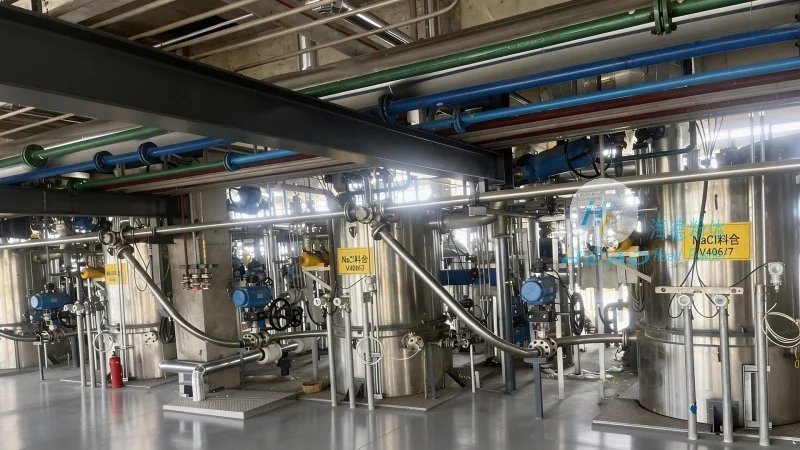
Applications and Benefits
Salt pneumatic conveying systems are widely used in various industries, including food processing, chemical manufacturing, and water treatment. The benefits of using pneumatic conveying for salt include improved safety, reduced labor costs, and enhanced product quality. By minimizing dust and contamination, these systems help maintain the purity of the salt, which is essential for its use in food and industrial applications.
Conclusion
In conclusion, salt pneumatic conveying is an efficient and reliable method for transporting bulk salt. The design principles, including material analysis, pressure selection, pipeline layout, and equipment choice, are essential for achieving optimal performance. By understanding these principles, industries can select and operate pneumatic conveying systems that meet their specific needs and ensure smooth, safe, and cost-effective salt handling.




