For those in the construction and industrial sectors, the efficient and reliable transport of bulk powders like cement is crucial to project timelines and material quality. The cement tanker powder conveying system, developed by Shandong HeadPowder Engineering Co., Ltd., is a sophisticated piece of equipment designed to handle this critical task with precision and safety. This article delves into the operation process and working principle of such systems, highlighting how they ensure seamless material transfer from the source to the destination.
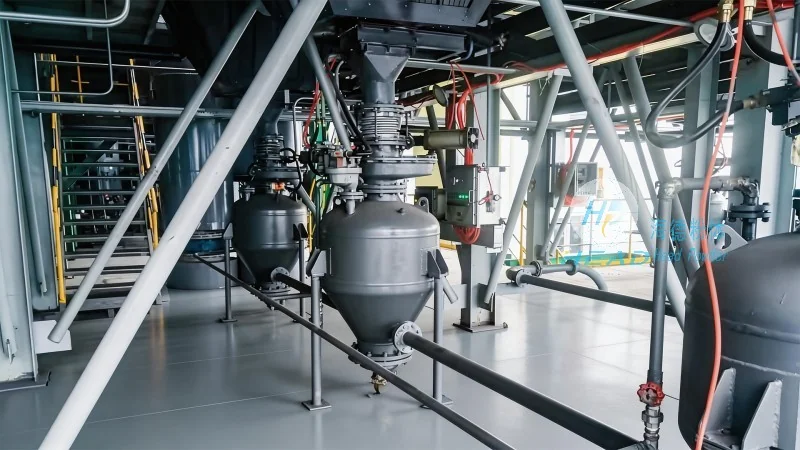
Introduction to the Cement Tanker Powder Conveying System
The cement tanker powder conveying system is a specialized equipment used to transport bulk cement or other fine powders from a storage silo or production facility to construction sites or processing plants. As a key component in the supply chain, this system combines advanced engineering with robust construction to meet the demanding requirements of modern industrial applications. HeadPowder, a leading manufacturer in this field, has optimized these systems to deliver high performance, durability, and operational efficiency.
Key Components and Their Roles
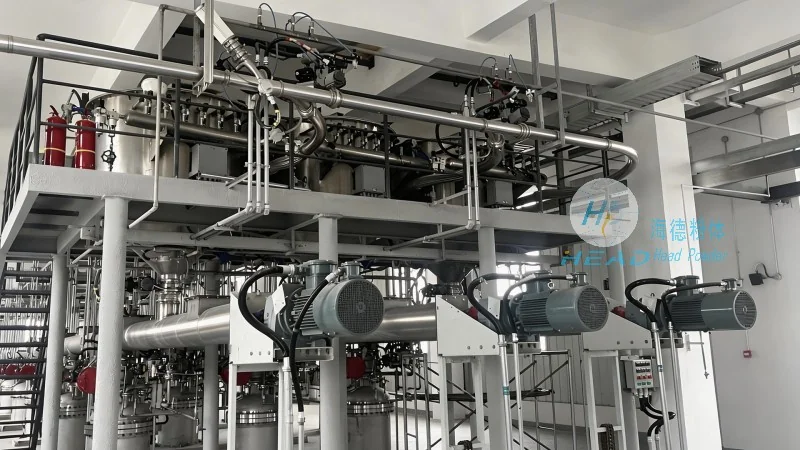
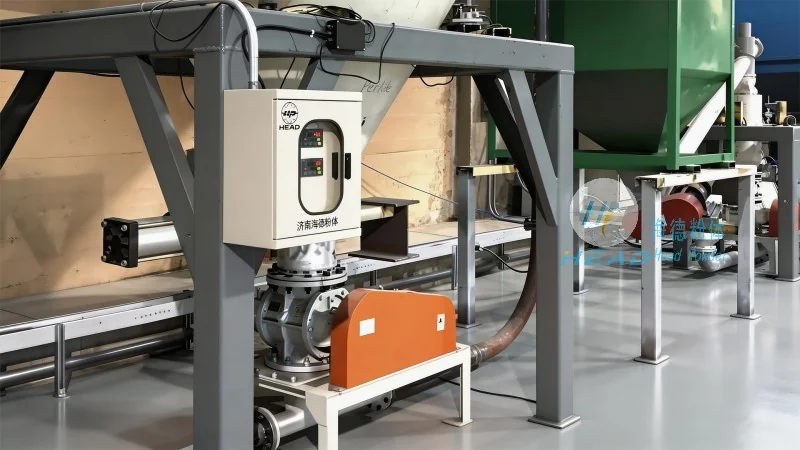
The cement tanker powder conveying system consists of several interconnected components, each playing a vital role in the overall operation. The primary components include the tanker body, a hopper or feed mechanism, a screw conveyor or pneumatic ducting system, a control panel, and safety devices. The tanker body is typically made of high-strength steel to withstand the pressure and weight of the material. The hopper or feed mechanism ensures a consistent flow of powder into the system, preventing blockages and maintaining uniform material transfer. The screw conveyor or pneumatic ducting system is responsible for moving the powder through the system, with the screw conveyor providing a positive displacement method and the pneumatic system using air pressure to transport the material. The control panel allows operators to monitor and adjust the system's parameters, ensuring optimal performance. Safety devices, such as pressure relief valves and emergency shut-off switches, are integrated to protect the system and personnel from potential hazards.
Detailed Operation Process
The operation of the cement tanker powder conveying system follows a systematic process that ensures smooth and continuous material transfer. The process begins with the preparation of the system, which includes checking the tanker for any leaks or damage and ensuring all components are properly lubricated. Next, the hopper is filled with the bulk powder, typically using a loading chute or a conveyor belt system. The control panel is then activated, and the system starts by opening the inlet valve to allow the powder to enter the hopper. The screw conveyor or pneumatic ducting system then begins to operate, moving the powder through the system. The powder is transported to the discharge point, where it is released into a storage silo or directly to the construction site. The system continues to operate until the tanker is empty, at which point the control panel is shut down and the system is prepared for the next load. Throughout the operation, the control panel monitors the system's parameters, such as pressure, flow rate, and temperature, to ensure that the system is operating within safe and efficient limits. If any issues are detected, the control panel will alert the operator and may automatically shut down the system to prevent damage or accidents.
Working Principle Explained
The working principle of the cement tanker powder conveying system is based on the principles of fluid dynamics and mechanical engineering. The system operates by creating a pressure differential between the inlet and outlet of the system, which causes the powder to move through the system. In the screw conveyor system, the rotating screw displaces the powder, pushing it forward through the conveyor. The speed of the screw and the pitch of the blades are carefully designed to ensure a consistent flow rate and prevent the powder from settling or clogging. In the pneumatic system, compressed air is used to create a flow of air that carries the powder through the ducting. The air pressure is controlled to maintain a consistent flow rate and prevent the powder from being damaged or degraded. The system also uses a series of valves and regulators to control the flow of powder and air, ensuring that the system operates efficiently and safely. The control panel monitors the system's parameters and adjusts the flow rate and pressure as needed to maintain optimal performance. This ensures that the powder is transported at the correct speed and pressure, minimizing the risk of blockages or damage to the material.
Technical Advantages and Applications
The cement tanker powder conveying system offers several technical advantages that make it an ideal choice for transporting bulk powders. The system is designed to handle high volumes of material with minimal maintenance, reducing downtime and operational costs. The robust construction of the system ensures that it can withstand the harsh conditions of industrial environments, including high temperatures, dust, and vibration. The system is also equipped with advanced safety features, such as pressure relief valves and emergency shut-off switches, to protect the system and personnel from potential hazards. The system is widely used in various industries, including construction, mining, and chemical processing. In construction, the system is used to transport cement to building sites, ensuring that the material is delivered on time and in the correct quantity. In mining, the system is used to transport ore and other fine powders from the mine to processing plants. In chemical processing, the system is used to transport various chemicals and powders to production facilities. The system's versatility and efficiency make it a valuable asset for any organization that relies on bulk powder transport.




