HeadPowder, a leading enterprise in the field of glass raw material handling solutions, specializes in the design, manufacturing, and installation of advanced conveying systems for the glass industry. With a strong commitment to precision engineering and operational efficiency, the company has established itself as a trusted partner for glass manufacturers worldwide. Headquartered in Shandong, China, HeadPowder leverages its extensive experience and state-of-the-art technology to deliver high-quality glass raw material conveying systems that meet the diverse needs of the glass manufacturing sector. This article delves into the operation process and working principle of glass raw material conveying systems, highlighting the key components, operational steps, and technological advancements that ensure optimal performance in glass production lines.
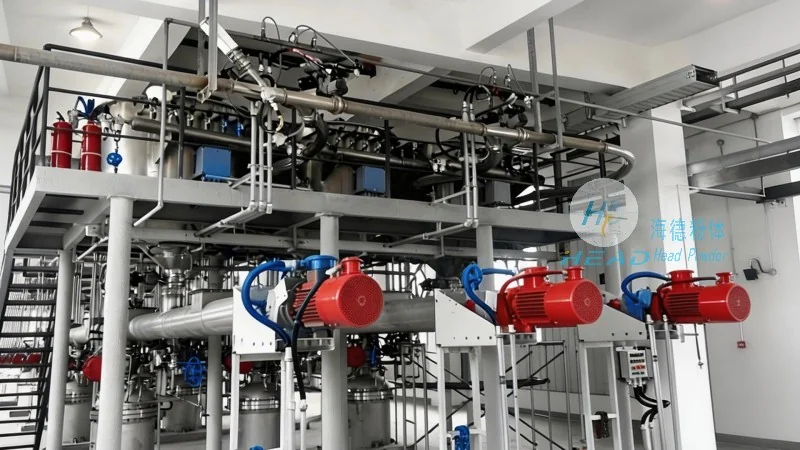
Overview of Glass Raw Material Conveying Systems
Glass raw material conveying systems are critical infrastructure in glass manufacturing facilities, responsible for the efficient transport of raw materials such as sand, soda ash, limestone, and other additives from storage areas to the production line. These systems are engineered to handle various material types, ensuring consistent flow, minimal loss, and adherence to strict quality standards. The design of these systems typically involves a combination of equipment like hoppers, feeders, conveyors, and control systems, all integrated to form a seamless material handling solution.
Key Components and Their Functions
The glass raw material conveying system comprises several essential components, each playing a vital role in the overall operation. The primary components include:
1. Hoppers and Storage Silos: These structures are used to store bulk raw materials, providing a stable and controlled environment to prevent material degradation and contamination. The design of hoppers often incorporates features like cone-shaped bases to facilitate material flow and reduce the risk of clogging.
2. Feeding Equipment: Feeders, such as rotary valves or screw feeders, are used to regulate the flow of raw materials from the storage silos to the conveyor system. They ensure a consistent and controlled discharge rate, which is crucial for maintaining the quality of the glass melt.
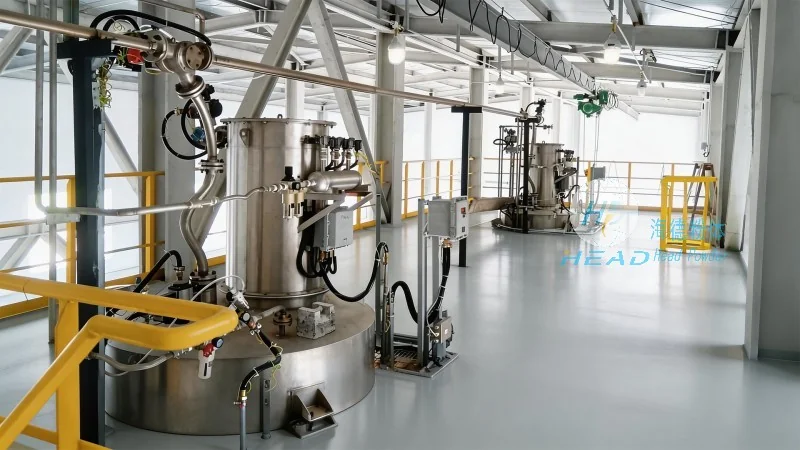
3. Conveying Equipment: Conveyors, including belt conveyors, chain conveyors, or pneumatic systems, transport the raw materials from the feeding points to the processing units. The choice of conveyor type depends on the material characteristics, such as particle size, moisture content, and bulk density.
4. Control Systems: Advanced control systems, often integrated with sensors and automation technology, monitor and regulate the entire conveying process. These systems ensure that the flow rate, pressure, and temperature are maintained within optimal parameters, enhancing operational safety and efficiency.
Operation Process of the Glass Raw Material Conveying System
The operation of a glass raw material conveying system follows a systematic sequence of steps, ensuring the smooth and continuous supply of raw materials to the glass production line. The process typically begins with the loading of raw materials into the storage silos. Once loaded, the raw materials are discharged from the silos into the feeding equipment, where the flow rate is controlled. The controlled flow then moves through the conveying equipment to the processing units, where the materials are further processed before being introduced into the glass melt.
During the operation, the control system continuously monitors various parameters, such as flow rate, pressure, and material level in the silos. Any deviations from the set parameters are immediately detected and corrected by the system, ensuring that the conveying process remains stable and efficient. This real-time monitoring and control capability is essential for maintaining the quality of the glass product and preventing operational disruptions.
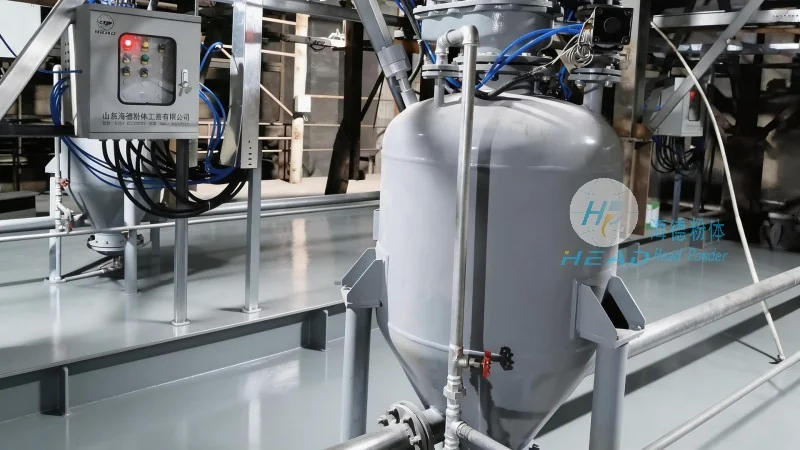
Working Principle of the Glass Raw Material Conveying System
The working principle of the glass raw material conveying system is based on the principles of material handling and fluid dynamics. The system operates by converting the potential energy of the stored raw materials into kinetic energy through the feeding and conveying equipment. The feeding equipment regulates the flow rate, while the conveying equipment transports the materials to the processing units. The control system ensures that all components work in harmony, maintaining the desired flow rate and pressure throughout the process.
For example, in a belt conveyor system, the raw materials are placed on the moving belt, and the belt transports them to the next stage. The speed of the belt is controlled to maintain the desired flow rate. In pneumatic conveying systems, the raw materials are carried by a stream of air, which moves them through the system. The pressure and velocity of the air are carefully controlled to ensure efficient transport and minimal material degradation.
Advantages of Advanced Glass Raw Material Conveying Systems
Modern glass raw material conveying systems offer several advantages over traditional methods, including improved efficiency, reduced material loss, enhanced safety, and better environmental compliance. The use of advanced materials and automation technology has significantly improved the performance of these systems, making them more reliable and cost-effective. Additionally, the integration of sensors and data analytics allows for predictive maintenance, reducing downtime and increasing the overall productivity of the glass manufacturing facility.
Conclusion
HeadPowder's glass raw material conveying systems are engineered to meet the demanding requirements of the glass industry, providing reliable and efficient material handling solutions. By understanding the operation process and working principle of these systems, glass manufacturers can optimize their production lines, improve product quality, and enhance overall operational efficiency. With its commitment to innovation and quality, HeadPowder continues to be a leader in providing advanced glass raw material handling solutions to clients worldwide.




