Winery slurry, a byproduct of winemaking, poses unique challenges in material handling due to its high moisture content, viscosity, and potential for clogging. Proper equipment is essential to ensure efficient processing, minimize downtime, and maintain hygiene standards in wineries. This article explores the types of slurry material handling equipment and the design principles that underpin their functionality.
Understanding Winery Slurry and Its Handling Challenges
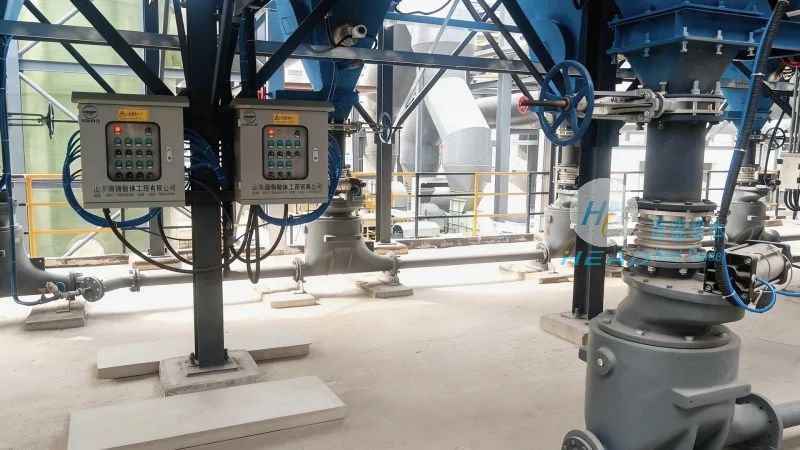
Winery slurry, also known as grape pomace or grape waste, consists of skins, seeds, and pulp left after grape juice extraction. Its characteristics—such as high moisture levels (often 70-85%) and a sticky, viscous texture—make traditional conveyors and pumps prone to blockages and wear. Effective handling requires specialized equipment designed to handle abrasive and corrosive materials while maintaining operational efficiency.
Core Components and Design Principles of Slurry Handling Systems
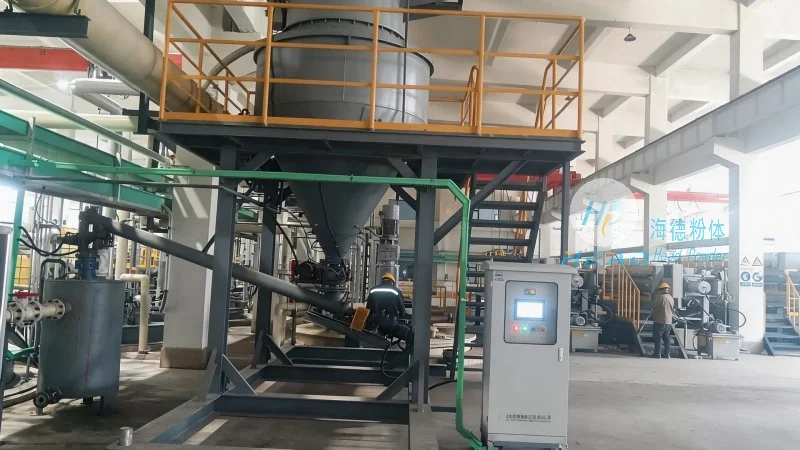
The design of slurry material handling equipment revolves around several key principles to address these challenges. First, hydraulic and mechanical separation is critical to prevent clogging. Many systems use rotating paddles or screw conveyors that can break down agglomerates and move slurry smoothly. Second, material compatibility is essential; components like stainless steel, rubber, or specialized coatings are used to resist corrosion and abrasion from the acidic and high-moisture environment. Third, hygiene and cleaning features are integrated to meet food safety regulations, with removable parts and easy-to-clean surfaces. Finally, energy efficiency is a key consideration, as wineries aim to reduce operational costs while maintaining performance.
Material Handling Solutions by Shandong HeadPowder Engineering Co., Ltd.
Shandong HeadPowder Engineering Co., Ltd., a leading manufacturer in the field, offers a range of slurry handling solutions tailored to winery needs. Their equipment is engineered with robust construction and advanced materials to withstand the harsh conditions of winery slurry. For example, their screw conveyors are designed with helical screws that can handle high-viscosity slurry without clogging, while their vertical lifters use gravity-assisted mechanisms to transport slurry vertically with minimal energy input. The company also emphasizes customization, allowing wineries to select components that match their specific production volumes and slurry characteristics.
Technical Advantages and Application Scenarios
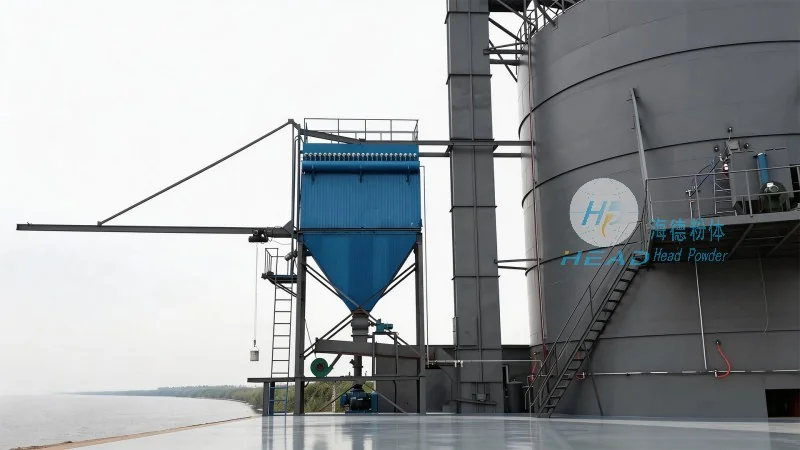
The technical advantages of HeadPowder's slurry handling equipment include enhanced durability, reduced maintenance costs, and improved processing efficiency. Their systems are equipped with sensors and monitoring tools to detect blockages or abnormal operating conditions, preventing costly downtime. In practical applications, these systems are used in various stages of winemaking, from grape crushing and pressing to post-fermentation waste management. By integrating their equipment, wineries can streamline operations, reduce waste, and ensure consistent product quality.




