Chocolate powder, as a key ingredient in the confectionery industry, requires efficient and reliable handling systems to ensure product quality and process efficiency. Pneumatic conveying equipment has emerged as a preferred solution for transporting chocolate powders due to its ability to handle fine, abrasive, and hygroscopic materials without contamination. This article explores the operation process and working principle of such equipment, highlighting the technical aspects and operational considerations essential for optimal performance.
Key Components of the Pneumatic Conveying System
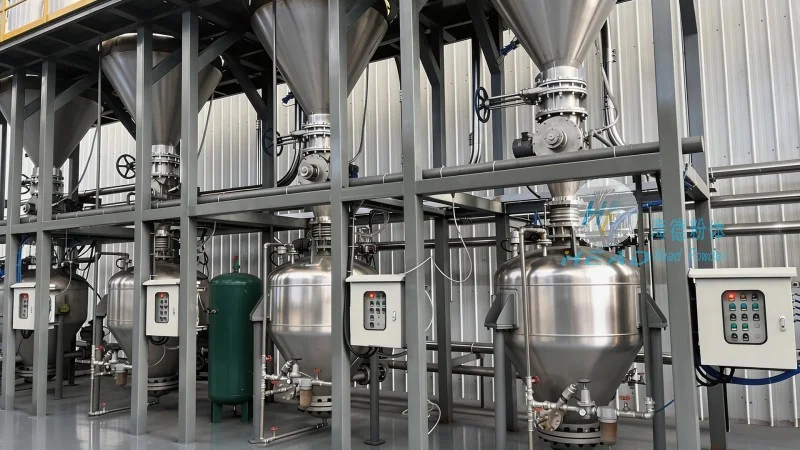
The chocolate powder pneumatic conveying system typically consists of several critical components that work in tandem to achieve effective material transport. These include the hopper or feeder for material storage and feeding, the air compressor or blower to generate the conveying air, the pipeline system for material and air flow, and the receiver or discharge unit for material collection. Each component plays a vital role in maintaining the integrity of the chocolate powder and ensuring smooth operation.
Operation Process of the Chocolate Powder Pneumatic Conveying Equipment
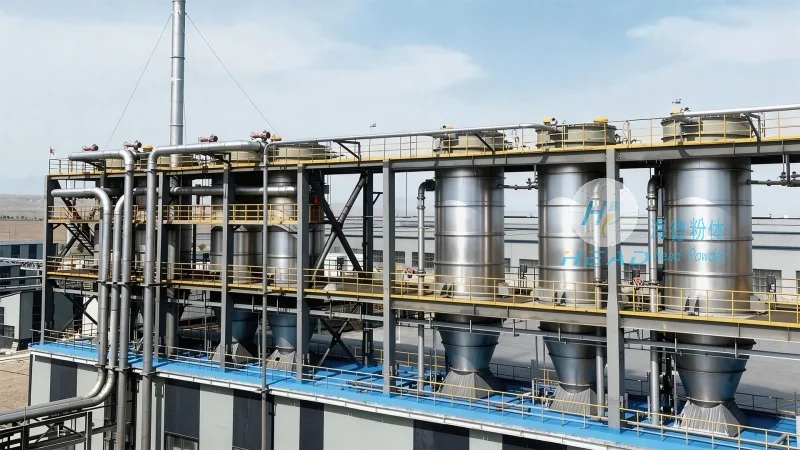
The operation process of the chocolate powder pneumatic conveying equipment involves several sequential steps. Initially, chocolate powder is fed into the hopper from a storage silo or bulk container. The feeder then regulates the flow rate of the powder into the conveying line. Simultaneously, the air compressor generates a flow of air at a specific pressure and volume, which is introduced into the pipeline. The air and powder mixture travels through the pipeline, with the air providing the necessary kinetic energy to move the powder particles. The conveying line may include bends, filters, and other accessories to ensure proper flow and prevent blockages. Upon reaching the discharge point, the air and powder are separated, with the air being discharged to the atmosphere or recirculated, and the chocolate powder collected in the receiver.
Working Principle of the Pneumatic Conveying System
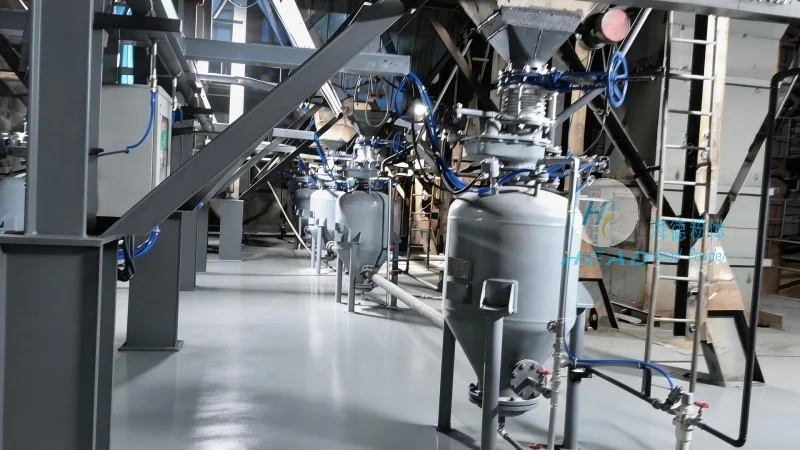
The working principle of the chocolate powder pneumatic conveying system is based on the principles of fluid dynamics and particle transport. The system utilizes a combination of pressure and velocity to move the powder particles through the pipeline. In a positive pressure system, the air compressor pressurizes the air, which forces the powder particles to move along the pipeline. The air velocity must be sufficient to overcome the gravitational and frictional forces acting on the powder particles, ensuring that the particles remain suspended and transported efficiently. The design of the pipeline, including the diameter, length, and angle of bends, is critical to maintaining the air velocity and preventing material deposition or blockages. In a negative pressure system, the air is drawn from the pipeline using a vacuum pump, creating a suction effect that pulls the powder particles into the line. Both systems have their advantages and are selected based on the specific application requirements, such as the distance of transport, material characteristics, and system layout.
Technical Considerations for Optimal Performance
Several technical considerations are essential to ensure the optimal performance of the chocolate powder pneumatic conveying equipment. The selection of the air compressor or blower must be based on the required air volume and pressure, taking into account the specific characteristics of the chocolate powder, such as particle size, density, and moisture content. The pipeline design must be carefully engineered to minimize pressure drop and maintain the required air velocity. Regular maintenance of the system, including cleaning of filters, checking for leaks, and inspecting the feeder and discharge units, is crucial to prevent system downtime and maintain product quality. Additionally, the system should be equipped with safety features, such as pressure relief valves and dust collection systems, to ensure safe operation and compliance with industry regulations.
Conclusion
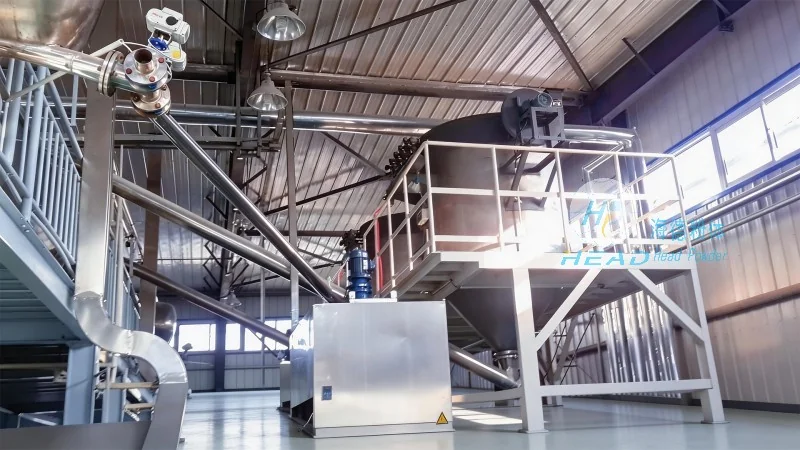
Chocolate powder pneumatic conveying equipment is a vital component in the confectionery industry, providing an efficient and hygienic method for transporting chocolate powders. The operation process involves the coordinated action of several components, while the working principle is based on fluid dynamics and particle transport. By understanding the technical aspects and operational considerations, manufacturers can optimize the performance of the system, ensuring consistent product quality and process efficiency. As a leading provider in this field, Shandong HeadPowder Engineering Co., Ltd. specializes in designing and manufacturing high-quality pneumatic conveying systems tailored to the specific needs of chocolate powder handling, with a commitment to delivering reliable and efficient solutions.




