When it comes to the efficient and reliable transportation of soap granules, selecting the right conveying method is crucial for maintaining product quality and operational efficiency. Various options are available, each with its own set of advantages and applications. This article provides an overview of common soap granule conveying methods, with a focus on air-driven systems, and highlights the expertise of Shandong HeadPowder Engineering Co., Ltd. (headpowder), a leading provider of industrial conveying solutions based in Shandong, China.
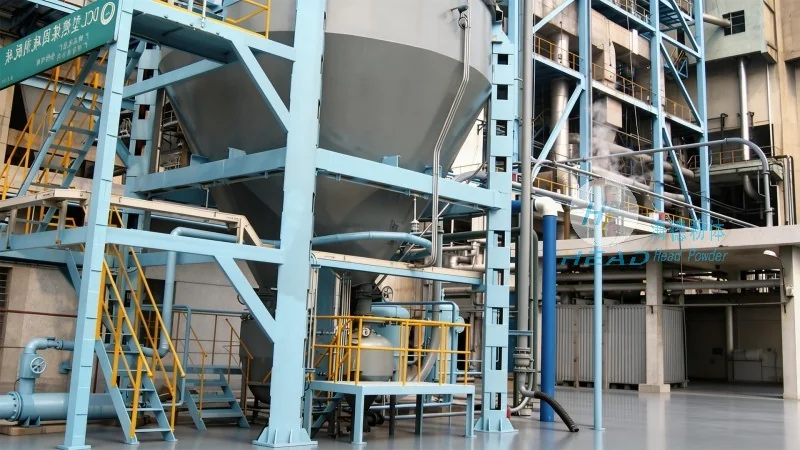
1. Understanding the Basics of Soap Granule Conveying
Soap granules, often used in various industrial and consumer applications, require specialized handling to prevent degradation or contamination during transport. The choice of conveying method depends on factors such as the granule size, moisture content, flow rate, and the distance over which the material needs to be moved. Traditional methods like belt conveyors and screw conveyors have been widely used, but modern applications increasingly favor air-driven systems for their flexibility and ability to handle delicate materials.
2. Air-Driven Conveying Systems for Soap Granules
Headpowder specializes in air-driven conveying solutions, which utilize compressed air to move soap granules through a pipeline. This method, also known as pneumatic conveying, offers several benefits, including the ability to transport materials over long distances, vertical and horizontal movement, and the option to handle materials in a closed system, minimizing exposure to contaminants. There are two main types of air-driven systems: positive pressure and negative pressure. Positive pressure systems push the material through the pipeline using a blower at the inlet, while negative pressure systems create a vacuum at the outlet to draw the material in.
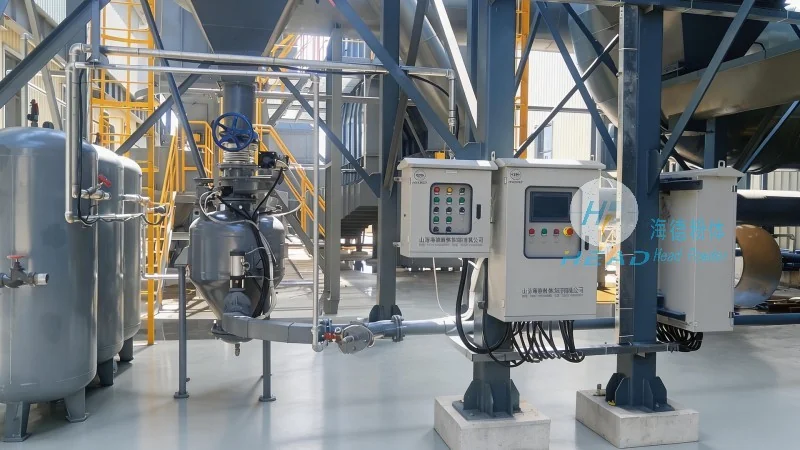
3. Key Components of Air-Driven Soap Granule Conveying
The effectiveness of an air-driven conveying system for soap granules depends on several key components. These include the air compressor, which provides the necessary pressure; the conveying line, typically made of stainless steel or other corrosion-resistant materials to prevent contamination; and the control system, which regulates the flow rate and pressure. Headpowder's expertise lies in designing and manufacturing these components to ensure optimal performance and durability in handling soap granules.
4. Advantages of Air-Driven Conveying for Soap Granules
Compared to traditional mechanical conveyors, air-driven systems offer distinct advantages when dealing with soap granules. These include reduced product degradation due to minimal contact with moving parts, lower risk of cross-contamination, and the ability to handle materials with varying moisture levels. Additionally, air-driven systems are more flexible in terms of layout, allowing for changes in the conveying path without major modifications. This adaptability makes them suitable for dynamic production environments where process changes are frequent.
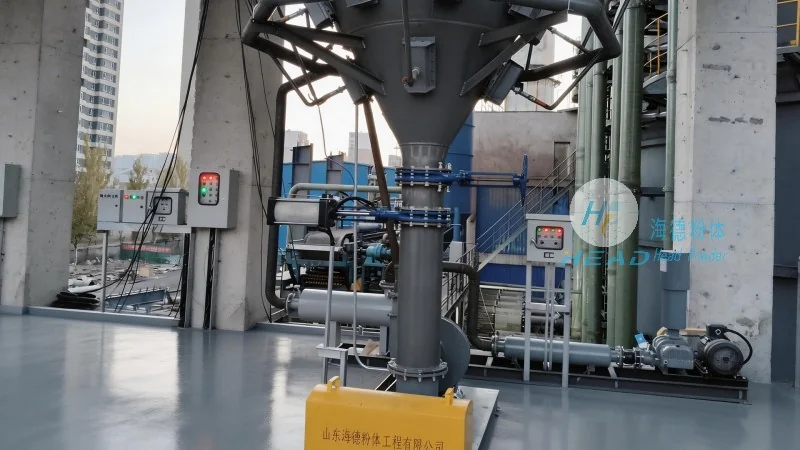
5. Applications and Use Cases
Air-driven conveying systems are widely used in the soap manufacturing industry for various applications. For example, they are commonly employed to transport soap granules from storage silos to processing lines, or from production areas to packaging stations. In facilities where hygiene is paramount, such as in the production of liquid soaps or detergents, air-driven systems provide a clean and enclosed solution that maintains product integrity throughout the process. Headpowder has successfully implemented such systems in numerous soap manufacturing plants across China, demonstrating their reliability and efficiency.
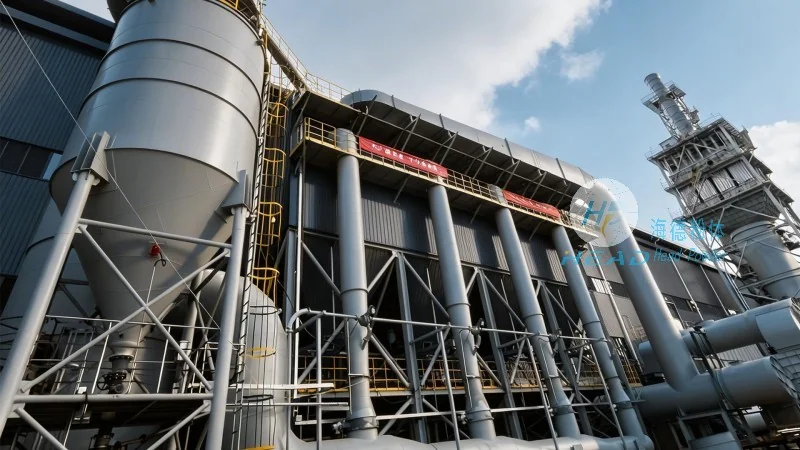
6. Customization and Integration with Existing Systems
Headpowder understands that each soap manufacturing facility has unique requirements. Therefore, they offer customized air-driven conveying solutions tailored to specific production needs. This includes integrating the conveying system with existing equipment, such as mixers, dryers, or packaging machines, to create a seamless production line. The company's engineers work closely with clients to assess their operational needs, material characteristics, and space constraints to design a system that maximizes efficiency and minimizes downtime.
7. Maintenance and Operational Considerations
Proper maintenance is essential to ensure the long-term performance of air-driven soap granule conveying systems. Regular checks of the air compressor, conveying line, and control system are necessary to prevent issues such as blockages or pressure drops. Headpowder provides maintenance services and spare parts to support their clients, ensuring that the systems operate at peak efficiency. Additionally, operators should be trained on the proper use of the system to avoid common issues like overloading or incorrect air pressure settings, which can affect the conveying performance and potentially damage the equipment.




