HeadPowder, a professional manufacturer based in Shandong, China, specializes in the design and production of advanced powder handling systems. This article provides a detailed overview of the operation process and working principle of a small bag weighing feeding powder pneumatic conveying line, a key component in modern powder processing industries.
HeadPowder Engineering Co., Ltd. is dedicated to delivering high-quality solutions for powder handling challenges. With a focus on precision and efficiency, our systems are engineered to meet the demands of various industrial applications, ensuring reliable and consistent performance in material handling processes.
Located in Shandong, China, HeadPowder leverages local manufacturing expertise and advanced technology to produce robust and durable equipment for the global market. Our commitment to quality and customer satisfaction has established us as a trusted partner in the powder processing sector.
Overview of Small Bag Weighing Feeding System
A small bag weighing feeding system is a critical part of the powder pneumatic conveying line, responsible for accurately measuring and feeding bulk powder from bags into the conveying system. This system typically includes a bag opening mechanism, a weighing scale, and a feeding valve that controls the flow of material. The operation begins with the bag being placed on the weighing platform, where the system automatically tares the bag weight to ensure accurate measurement of the powder content.
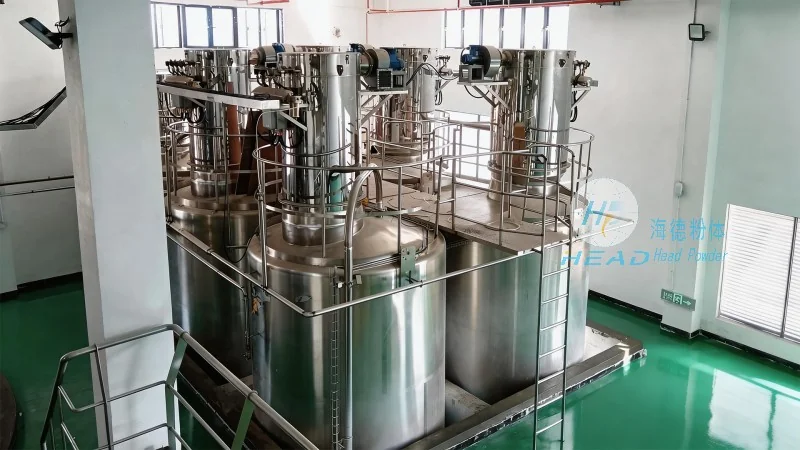
The weighing scale integrates with the control system to provide real-time data on the powder weight. Once the desired amount is reached, the system triggers the feeding valve to release the powder into the hopper or directly into the pneumatic conveying line. This process ensures precise dosing, minimizing material waste and optimizing production efficiency.
Working Principle of Pneumatic Conveying Line
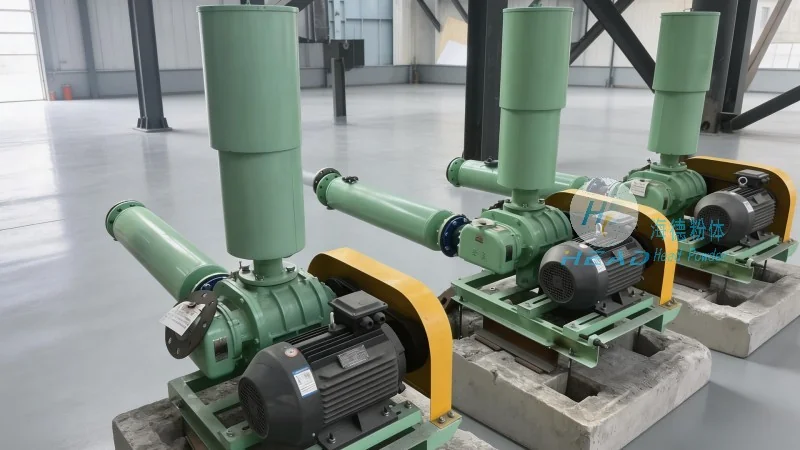
The pneumatic conveying line utilizes air pressure to transport powder from the feeding point to the discharge point. The system consists of a blower, a hopper, a pipeline, and a discharge valve. The blower generates a flow of air, which creates a pressure differential that pulls the powder particles into the pipeline. The powder is then carried through the pipeline by the air stream, reaching the discharge point where it is collected in a storage container or processing unit.
Key components of the pneumatic conveying line include the air compressor, which provides the necessary air pressure, and the filter system, which removes dust and moisture from the air to prevent contamination and equipment damage. The pipeline design, including bends and valves, is optimized to minimize pressure loss and ensure smooth material flow.
Integration and Control System
The small bag weighing feeding system and the pneumatic conveying line are integrated through a centralized control system. This system coordinates the operation of both components, ensuring that the powder is weighed accurately and conveyed efficiently. The control system monitors parameters such as weight, air pressure, and flow rate, adjusting the operation of the feeding valve and blower as needed to maintain optimal performance.
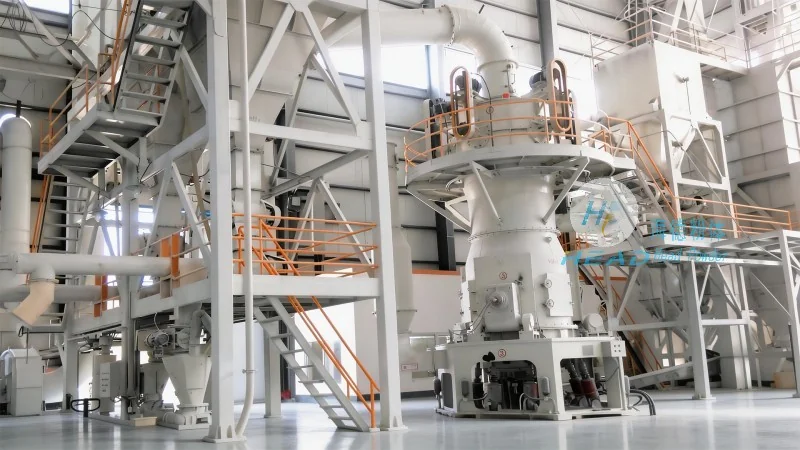
Advanced control algorithms are employed to enhance the system's responsiveness and accuracy. These algorithms can adapt to varying powder characteristics and production demands, providing flexibility and reliability in different industrial settings. The integration of sensors and feedback mechanisms further improves the system's performance, reducing downtime and maintenance costs.
Benefits and Applications
The small bag weighing feeding powder pneumatic conveying line offers numerous benefits for industrial powder handling. It provides precise and consistent material feeding, which is essential for processes such as mixing, blending, and packaging. The pneumatic conveying system also eliminates the need for manual handling, reducing labor costs and improving workplace safety.
Applications of this system include pharmaceuticals, food processing, chemical manufacturing, and mining industries. In pharmaceutical production, for example, the system ensures accurate dosing of active ingredients, meeting stringent quality and regulatory standards. In food processing, it maintains hygiene and prevents cross-contamination, ensuring product safety. The versatility of the system makes it suitable for a wide range of powder handling applications, making it a valuable asset for modern industrial operations.




