HeadPowder, a leading engineering company based in Shandong, China, specializes in the design, manufacturing, and installation of advanced pneumatic conveying systems for various industrial applications. This article focuses on the operation process and working principle of a PFA (Polytetrafluoroethylene) powder pneumatic conveying line, highlighting the technical aspects and operational efficiency of such systems.
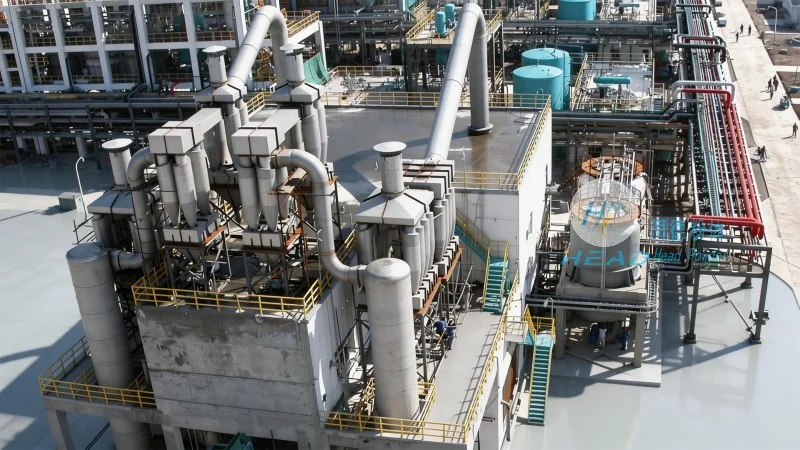
PFA Powder Pneumatic Conveying Line: An Overview
PFA is a high-performance fluoropolymer known for its excellent chemical resistance, thermal stability, and non-stick properties. In industrial settings, PFA powder is often used in applications requiring reliable material handling, such as in chemical processing, semiconductor manufacturing, and pharmaceutical industries. The pneumatic conveying line designed for PFA powder is engineered to transport this material efficiently and safely, minimizing product degradation and ensuring consistent performance.
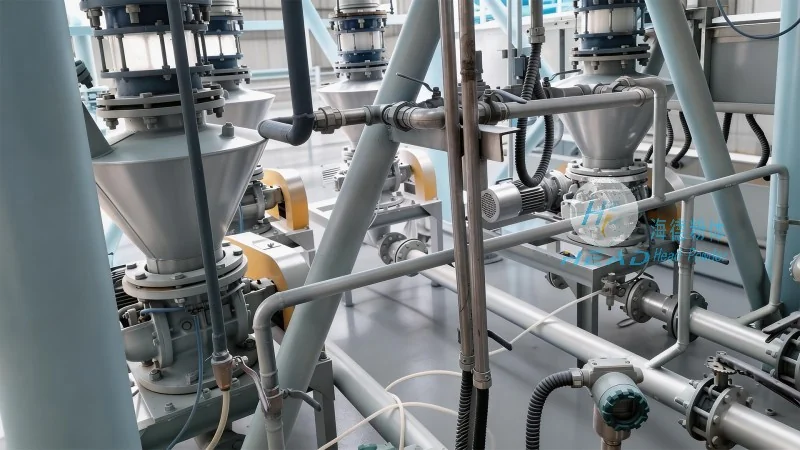
Key Components of the PFA Powder Pneumatic Conveying System
The PFA powder pneumatic conveying line typically consists of several critical components that work in tandem to achieve effective material transport. These components include the hopper, feeder, air compressor, conveying pipeline, and receiver. Each component plays a vital role in the overall operation of the system.
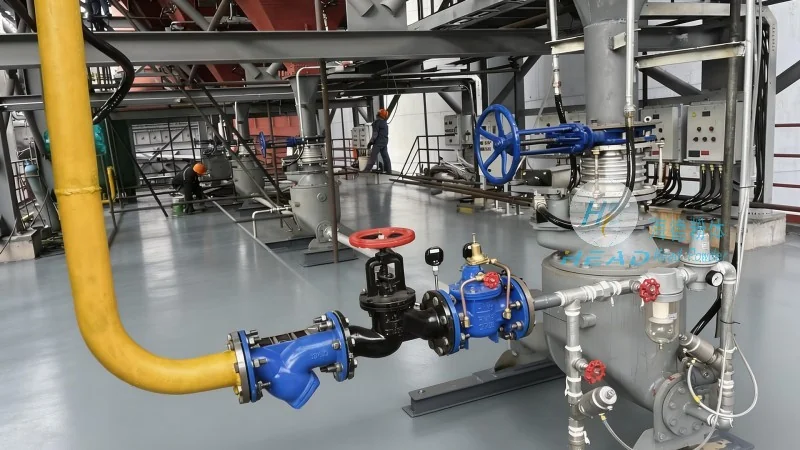
Operation Process of the PFA Powder Pneumatic Conveying Line
The operation process of the PFA powder pneumatic conveying line begins with the material being fed from the hopper into the feeder. The feeder then controls the flow rate of the PFA powder, ensuring a consistent and controlled supply to the conveying system. Simultaneously, the air compressor generates the necessary air pressure to create a flow of air within the conveying pipeline. As the air flows through the pipeline, it carries the PFA powder particles, transporting them from the feeder to the receiver. The receiver collects the PFA powder and may include a dust collection system to ensure environmental compliance and product purity.
Working Principle of the PFA Powder Pneumatic Conveying Line
The working principle of the PFA powder pneumatic conveying line is based on the principle of pneumatic transport, where air is used as the conveying medium to move solid particles. The system operates by creating a pressure differential between the feeder and the receiver. The air compressor supplies compressed air, which enters the conveying pipeline and creates a flow that pulls the PFA powder particles along with it. The velocity of the air is carefully controlled to ensure that the powder particles are suspended and transported without causing excessive wear or degradation. The design of the pipeline, including the use of appropriate fittings and bends, is crucial to maintain the flow velocity and prevent particle deposition or blockages.
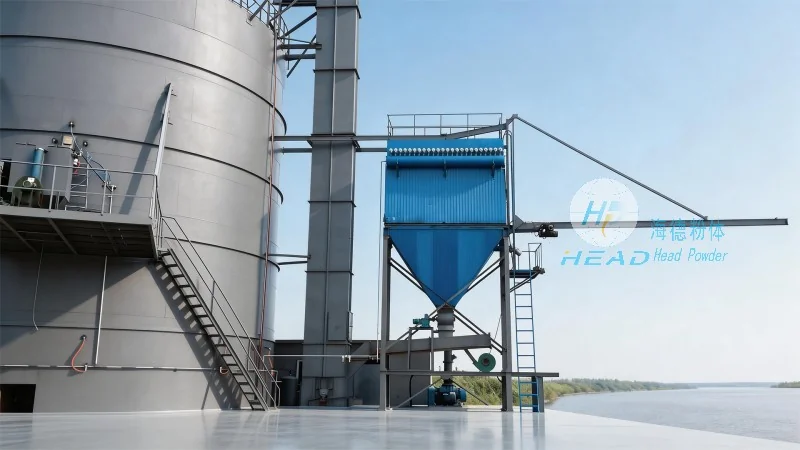
Advantages and Considerations for PFA Powder Pneumatic Conveying
Implementing a PFA powder pneumatic conveying line offers several advantages, including the ability to handle abrasive or corrosive materials without damaging the system components. The system is also flexible and can be easily integrated into existing production lines. However, it is important to consider factors such as the particle size and density of the PFA powder, as well as the required conveying distance, to ensure optimal system performance. Proper maintenance and regular inspections are also essential to maintain the efficiency and longevity of the conveying line.




