Operation Process and Working Principle of Gypsum Material Pneumatic Conveying
Release time:2026-09-21 09:01:45
name of the company:Shandong Headpowder Engineering Co., Ltd.
telephone:156-6277-7102
contacts:Zhang manager
HeadPowder, a leading provider of material handling solutions, specializes in the design and implementation of pneumatic conveying systems for various industrial applications, including the efficient transport of gypsum materials. This article explores the operational process and underlying principles of such systems, highlighting how they enhance productivity and safety in material handling operations.
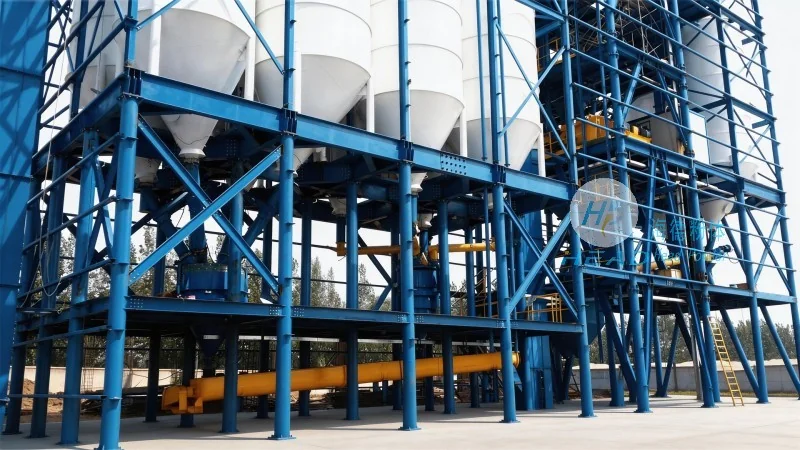
Understanding Gypsum Material Pneumatic Conveying Systems
Gypsum, a common industrial material used in construction, manufacturing, and other sectors, often requires reliable and efficient transportation methods to move it from storage to processing or packaging areas. Pneumatic conveying systems offer a solution by utilizing air to transport bulk materials like gypsum through a network of pipes. These systems are particularly advantageous for gypsum due to its relatively low dust generation and the need for controlled handling to maintain product quality.
The Working Principle of Pneumatic Conveying
The core of a pneumatic conveying system lies in its ability to use air pressure to move material. In a typical system, compressed air is introduced into a hopper or storage container, where it lifts and propels the gypsum particles through a pipeline. The system can operate in either positive pressure (where air is forced into the system) or negative pressure (where air is drawn out, creating a vacuum). For gypsum, positive pressure systems are often preferred as they provide better control over material flow and reduce the risk of dust contamination.
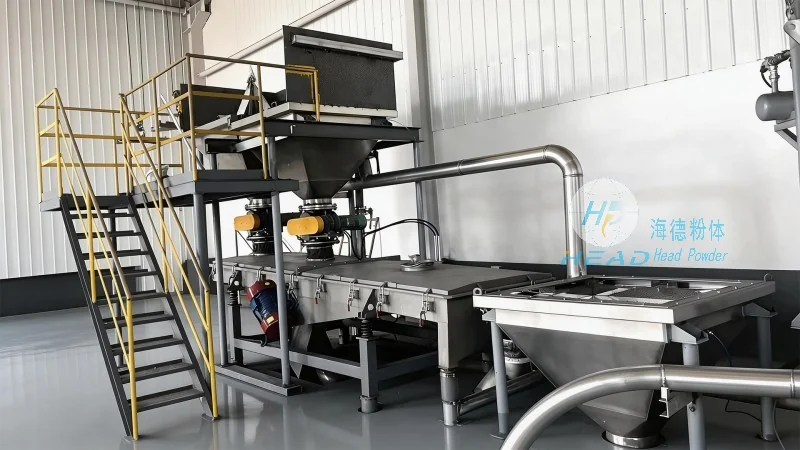
Key Components and Their Roles
Several critical components work together to ensure the smooth operation of a gypsum pneumatic conveying system. These include:
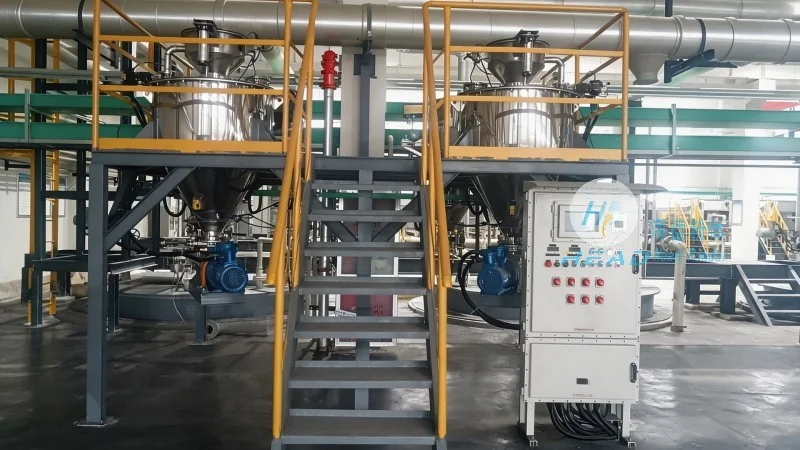
- Feed Hopper: A container that holds the gypsum material and allows it to be fed into the conveying line. It often includes a gate or valve to control the flow rate.
- Compressor or Blower: Provides the necessary air pressure to move the material. The choice between a compressor (for high-pressure systems) and a blower (for lower pressure) depends on the system's requirements and the distance the material needs to travel.
- Pipeline: The main conduit through which the gypsum and air travel. The diameter and length of the pipeline are crucial factors affecting the system's efficiency and pressure drop.
- Separation or Collection Unit: At the end of the conveying line, this component separates the gypsum from the air, typically using a cyclone or filter. This step is essential to recover the material and prevent air pollution.
- Control Valves and Regulators: These devices manage the air pressure and flow rate, ensuring consistent operation and preventing system overload or material blockages.
The Operational Process of Gypsum Pneumatic Conveying
The operation of a gypsum pneumatic conveying system follows a systematic process:
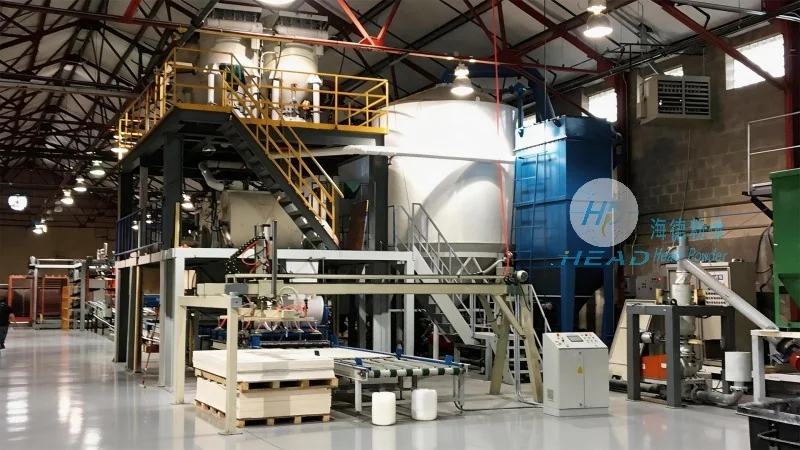
- Material Loading: Gypsum is loaded into the feed hopper from a storage silo or truck. The hopper's gate is opened to allow material to fall into the conveying line.
- Air Intake and Material Lift: Compressed air is introduced into the hopper, creating a pressure differential that lifts the gypsum particles and propels them into the pipeline.
- Transport Through Pipeline: The mixture of gypsum and air travels through the pipeline at high velocity. The air's momentum carries the material, while the pipeline's design minimizes pressure loss and ensures smooth flow.
- Material Separation: At the receiving end, the air and gypsum are separated. The air is typically filtered and discharged, while the gypsum is collected in a storage bin or directly to the next processing stage.
- System Monitoring and Control: Continuous monitoring of pressure, flow rate, and material level ensures the system operates efficiently. Control valves adjust air pressure as needed to maintain optimal performance.
Advantages of Pneumatic Conveying for Gypsum
Implementing a pneumatic conveying system for gypsum offers several benefits over traditional methods like belt conveyors or manual handling:
- Reduced Labor Costs: Automated systems minimize the need for manual labor, reducing operational costs and improving safety.
- Improved Product Quality: Controlled handling prevents dust contamination and ensures consistent material quality, which is critical for applications like plaster and drywall production.
- Space Efficiency: Pneumatic systems can be installed in confined spaces, making them suitable for facilities with limited floor area.
- Reduced Maintenance: Compared to mechanical conveyors, pneumatic systems have fewer moving parts, leading to lower maintenance requirements and longer service life.
Conclusion
HeadPowder Engineering Co., Ltd., based in Shandong, China, is a trusted partner in designing and installing pneumatic conveying systems tailored to the specific needs of gypsum handling operations. By leveraging advanced technology and expertise, HeadPowder ensures that clients achieve efficient, safe, and cost-effective material transport solutions. The operation process and working principles outlined above demonstrate the effectiveness of pneumatic conveying in modern industrial applications, making it an ideal choice for gypsum material handling.




