HeadPowder, a leading provider in the field, specializes in advanced solutions for the efficient and reliable transport of nanopowder materials. This article explores the operational process and underlying principles of pneumatic conveying systems, which are crucial for industries dealing with fine powders. The company, known as HeadPowder, operates from Shandong, China, and is dedicated to delivering high-performance engineering solutions tailored to the unique demands of nanopowder handling.
About HeadPowder Engineering Co., Ltd.
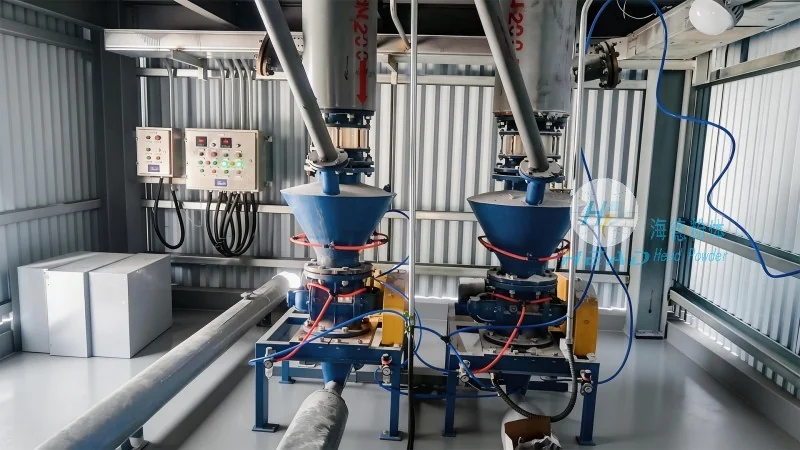
HeadPowder, or Shandong HeadPowder Engineering Co., Ltd., is a reputable company based in Shandong, China. With a focus on engineering excellence and innovation, the company delivers high-quality pneumatic conveying systems tailored to the unique challenges of nanopowder handling. The company’s headquarters is located in Shandong, providing a strong foundation for its operations and customer support.
The Operational Process of Pneumatic Conveying
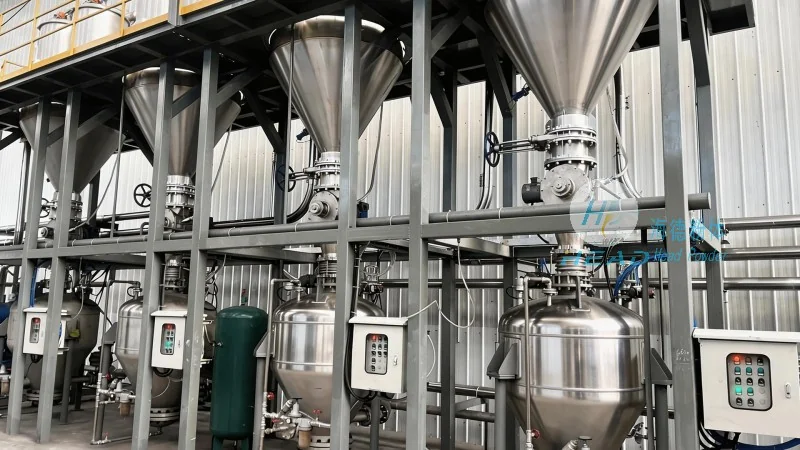
Pneumatic conveying systems for nanopowder materials typically involve several key steps. The process begins with the loading of the powder into a hopper or feeder, where it is stored before being introduced into the conveying line. The feeder, often a rotary valve or screw feeder, controls the flow rate of the powder into the pipeline. This initial step is critical to maintain a consistent feed rate, which directly impacts the overall efficiency of the system. Once the powder enters the pipeline, it is carried by a high-velocity air stream generated by a blower or compressor. The air velocity must be sufficient to keep the powder particles suspended, typically at least twice the settling velocity of the individual particles. The pipeline design, including the diameter and length, is optimized to minimize pressure drop and energy consumption. The system may include intermediate pulse jets or venturi sections to prevent particle accumulation and ensure smooth flow. At the end of the pipeline, a receiver or silo collects the conveyed powder, where it is stored for further processing. The entire process is monitored and controlled by a system of sensors and controls to adjust air pressure, flow rate, and feed rate as needed to maintain optimal performance. The company’s expertise in system design ensures that each component is integrated seamlessly to achieve reliable and efficient material transport.
Working Principle of Pneumatic Conveying
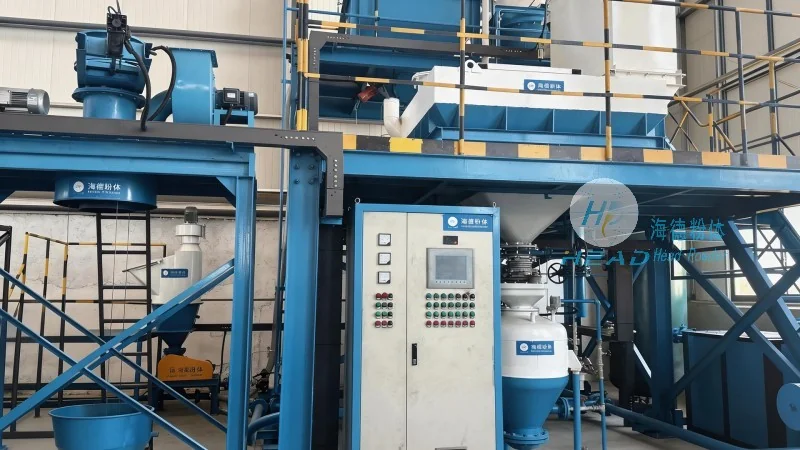
The core principle of pneumatic conveying is the use of air as a medium to transport solid particles. This method relies on the interaction between the air flow and the powder particles. In a positive pressure system, a blower generates high-pressure air that pushes the powder through the pipeline. The air velocity must exceed the settling velocity of the powder particles to keep them suspended and prevent deposition. In contrast, a negative pressure system uses a vacuum to draw the powder into the pipeline. Both systems require precise control of air flow rates and pressure differentials to achieve consistent and reliable transport. The design of the system, including the type of air nozzles and pipeline configuration, plays a critical role in determining the efficiency and effectiveness of the conveying process. The company’s engineers apply advanced fluid dynamics principles to optimize the system design, ensuring that the air flow and particle movement are synchronized for maximum efficiency.
Key Components and Their Roles
Several key components are integral to the operation of pneumatic conveying systems for nanopowder materials. The blower or compressor provides the necessary air pressure and flow rate. The feeder regulates the powder input, ensuring a steady stream into the pipeline. The pipeline itself must be constructed from materials that are compatible with the powder and resistant to corrosion or wear. Filters and dust collectors are essential to remove any fine particles from the air stream, maintaining system cleanliness and preventing contamination. The receiver or silo stores the conveyed powder, often equipped with discharge mechanisms to facilitate downstream processing. Each component is carefully selected and integrated by HeadPowder to ensure the system operates efficiently and reliably.
Benefits and Applications
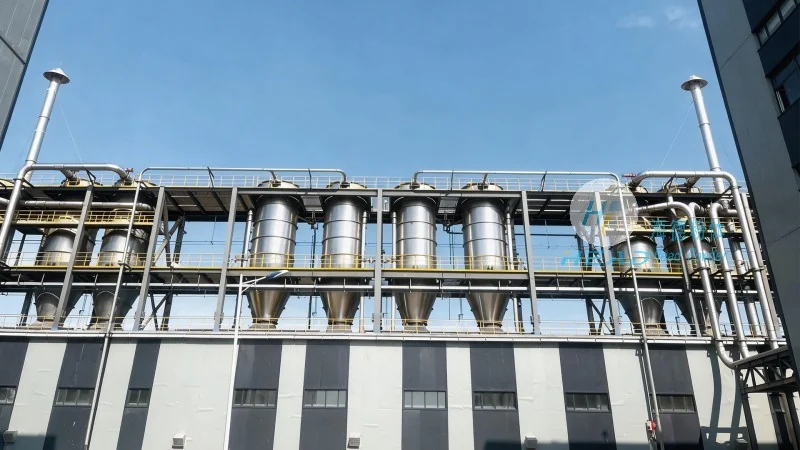
Pneumatic conveying systems offer several advantages for the transport of nanopowder materials. These include high efficiency, as the system can transport materials over long distances with minimal energy loss. The method is also flexible, allowing for the handling of various powder types and sizes. Additionally, pneumatic conveying can be integrated with other processing equipment, such as mixers or reactors, to create a seamless production line. Industries that benefit from this technology include pharmaceuticals, chemicals, food processing, and advanced materials manufacturing. The company’s systems are designed to meet the specific requirements of these industries, ensuring that the material is handled with precision and care.




