The pneumatic conveying system designed for bulk bag breakage materials is a specialized industrial solution developed by Shandong HeadPowder Engineering Co., Ltd. This system is engineered to efficiently handle the process of breaking open bulk bags and transporting the resulting material through an air-powered system. The technology is particularly valuable in industries where bulk bag handling is common, such as chemical, food, and pharmaceutical sectors, where material integrity and safety are paramount.
Key Components and Their Roles
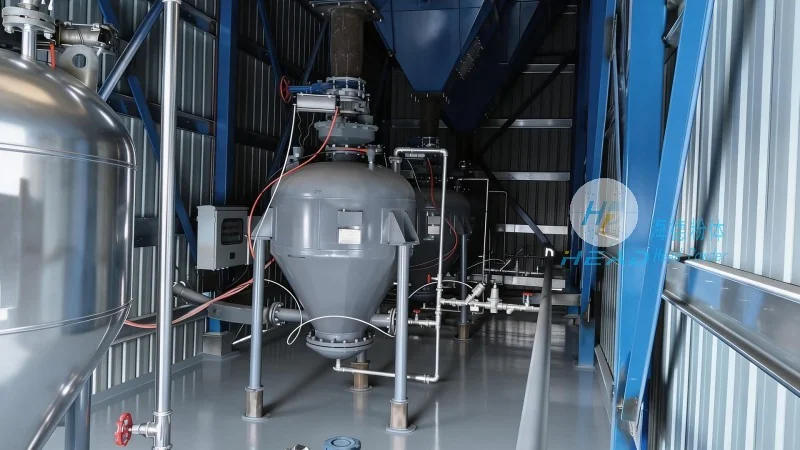
The system comprises several critical components that work in tandem to ensure smooth operation. At the core is the bulk bag unloader, which is responsible for the initial opening and emptying of the bag. This component is typically equipped with a mechanical or hydraulic mechanism that safely breaks the bag's seal and allows the material to flow into the hopper. The hopper serves as the intermediate storage vessel, collecting the material from the unloader and preparing it for the next stage of the conveying process. A rotary valve or feeder is then used to regulate the flow of material from the hopper into the pneumatic conveying line. The conveying line itself is made of durable, corrosion-resistant material, often stainless steel, to withstand the demands of various bulk materials. Finally, the system includes a receiver or destination silo where the material is deposited after being transported through the air.
Operation Process: Step-by-Step Overview
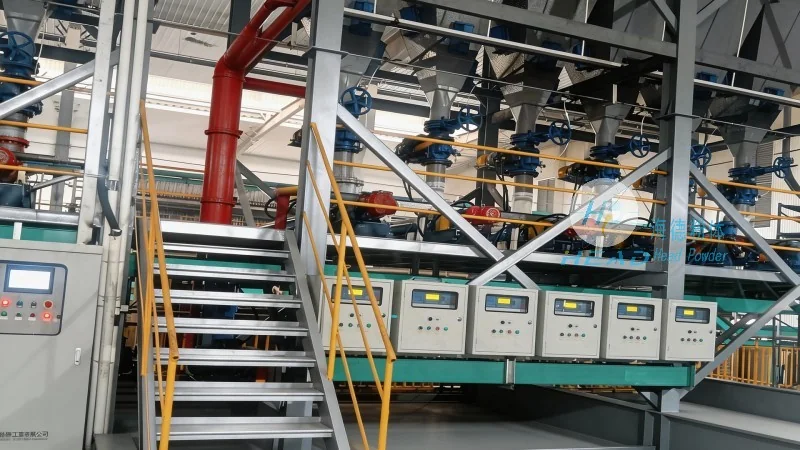
The operation of the bulk bag breakage pneumatic conveying system follows a systematic sequence of steps. First, the bulk bag is positioned on the unloader frame and secured in place. The unloader mechanism then activates, breaking the bag's seal and allowing the material to fall into the hopper. The material accumulates in the hopper until it reaches a certain level, at which point the rotary valve or feeder opens to allow a controlled flow into the conveying line. Simultaneously, a blower or air compressor generates the necessary airflow to create a positive pressure within the system. This airflow propels the material particles through the conveying line, transporting them from the hopper to the receiver. The process continues until the bulk bag is completely emptied, with the material being deposited in the receiver. After the material transfer is complete, the system can be prepared for the next bag, ensuring continuous operation.
Working Principle: How the System Transfers Material
The working principle of this pneumatic conveying system is based on the principles of fluid dynamics and air movement. The system operates by creating a pressure differential between the hopper and the receiver. The blower or air compressor supplies compressed air, which enters the hopper and carries the material particles along with it. As the air flows through the conveying line, it creates a stream that transports the material to the destination. The key to efficient operation is maintaining a consistent airflow rate and pressure, which ensures that the material is conveyed without clogging or loss of material. The system also incorporates features such as air filtration and separation to prevent dust or fine particles from escaping into the environment, enhancing safety and compliance with environmental regulations.
Advantages and Benefits of the System
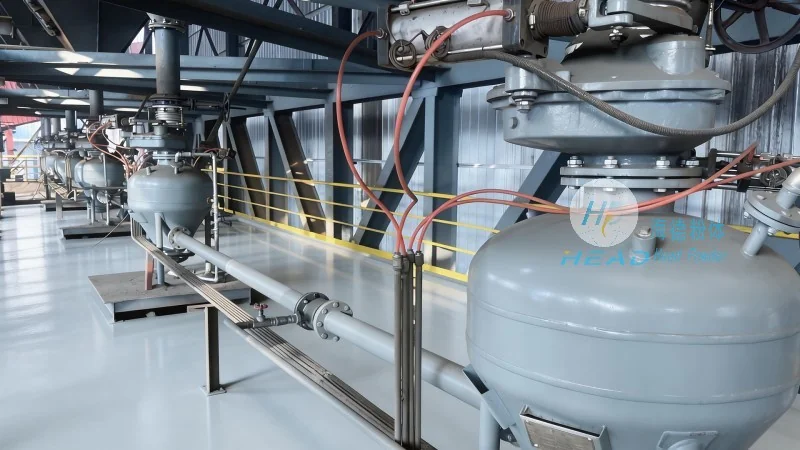
Implementing a pneumatic conveying system for bulk bag breakage materials offers several advantages. One of the primary benefits is the reduction in manual labor, as the system automates the entire process from bag opening to material transfer. This not only increases operational efficiency but also minimizes the risk of human error and workplace injuries. The system also ensures consistent material flow and quality, as the controlled airflow prevents material segregation or degradation. Additionally, the enclosed design of the system helps maintain material integrity and prevents contamination, which is crucial in industries like food and pharmaceuticals. Furthermore, the system is compact and can be integrated into existing production lines, making it a flexible solution for various industrial applications.
Application Examples and Industry Use Cases
The bulk bag breakage pneumatic conveying system is widely used in various industries where bulk bag handling is standard. In the chemical industry, it is employed to transfer powders and granules from bulk bags to processing equipment, ensuring a continuous supply of raw materials. In the food industry, the system is used to handle ingredients like flour, sugar, and spices, maintaining hygiene and preventing cross-contamination. The pharmaceutical industry also benefits from this system, as it allows for the safe and efficient transfer of active pharmaceutical ingredients (APIs) and other sensitive materials. Additionally, in the agricultural sector, the system can be used to transport fertilizers or seeds from bulk bags to storage or processing facilities. The versatility of the system makes it suitable for a wide range of applications, making it a valuable asset for any operation that relies on bulk bag handling.




