For industrial applications requiring efficient and reliable material handling, vacuum material handling pneumatic conveying systems offer a versatile solution. These systems are designed to transport bulk materials from one location to another using a vacuum-driven airflow, making them ideal for a wide range of industries including food processing, pharmaceuticals, and chemical manufacturing. The following article provides a detailed overview of the operation process and working principles of such systems, highlighting the key components involved and the step-by-step sequence of operations.
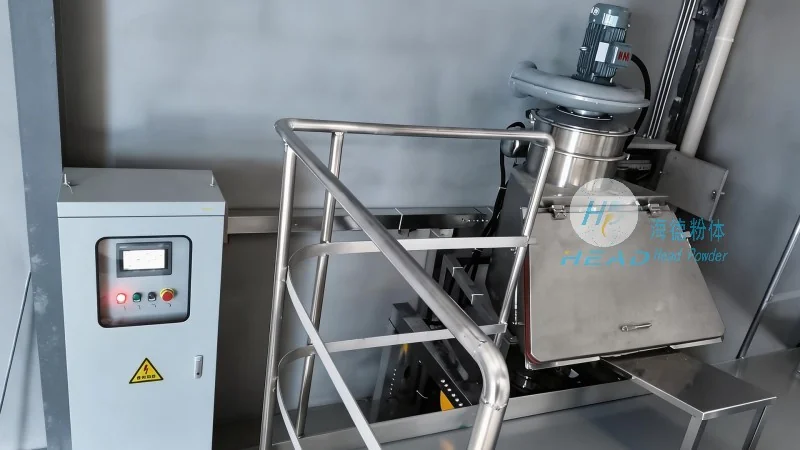
Overview of Vacuum Material Handling Pneumatic Conveying Systems
Vacuum material handling systems, also known as negative pressure conveying systems, are engineered to create a low-pressure environment that draws material from a source into a conveying line. Unlike positive pressure systems that push material through a system, vacuum systems rely on suction to move materials, which often results in gentler handling and reduced product degradation. The system typically consists of several critical components, including a vacuum pump, a material hopper or feeder, a conveying pipeline, a separation or filtration unit, and a discharge point. Each component plays a vital role in ensuring the smooth and efficient operation of the entire system.
Key Components and Their Roles
The performance and efficiency of a vacuum material handling system are largely determined by the quality and integration of its components. The vacuum pump is the heart of the system, responsible for generating the necessary vacuum to create the suction force. It can be either a rotary vane pump or a Roots blower, depending on the system's capacity and material characteristics. The material hopper or feeder is where the bulk material is stored and fed into the system. It may include a screw feeder or a rotary valve to control the flow rate of the material. The conveying pipeline is usually made of stainless steel or other corrosion-resistant materials to handle various types of materials and maintain hygiene standards. The separation unit, often a cyclone or a bag filter, is used to separate the conveyed material from the air stream, ensuring that the material is deposited at the discharge point without contamination. Finally, the discharge point is where the material is collected after being separated from the air.
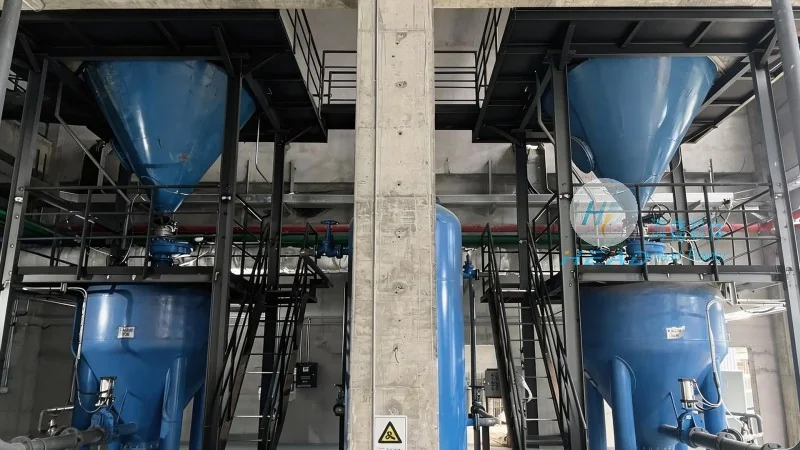
Detailed Operation Process
The operation of a vacuum material handling system follows a systematic sequence of steps. The process begins with the preparation of the system, which includes checking the vacuum pump for proper operation and ensuring that all connections are secure. Once the system is ready, the vacuum pump is activated, creating a low-pressure environment in the conveying line. Simultaneously, the material hopper is filled with the bulk material, and the feeder is adjusted to control the flow rate. As the vacuum is established, the material is drawn from the hopper into the conveying pipeline. The material travels through the pipeline due to the pressure difference created by the vacuum pump. At the discharge point, the material is separated from the air stream by the separation unit. The separated material is then collected in a container or hopper, while the air is either filtered or vented to the atmosphere. The system continues to operate until the material in the hopper is depleted or the desired quantity has been conveyed. The process concludes with the shutdown of the vacuum pump and the disconnection of the system.
Working Principle Explained
The working principle of a vacuum material handling system is based on the fundamental laws of fluid dynamics and pressure. The vacuum pump creates a region of low pressure within the conveying line, which is maintained by the continuous operation of the pump. This low-pressure area creates a pressure differential between the material source and the conveying line. As a result, the material is drawn into the line by the suction force generated by the vacuum. The material is then carried along the pipeline by the airflow, which is typically at a velocity sufficient to keep the material suspended and prevent it from settling. The separation unit at the discharge point uses centrifugal force or filtration to separate the material from the air, ensuring that the material is deposited cleanly and without contamination. The entire process is controlled by the vacuum pump's speed and the feeder's flow rate, allowing for precise control over the material's movement and quantity.
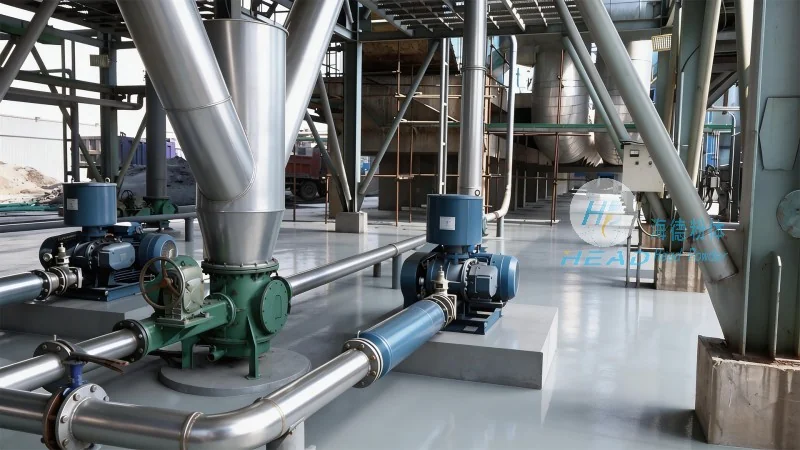
Benefits and Applications
Vacuum material handling pneumatic conveying systems offer several advantages over traditional material handling methods. These systems are highly efficient in terms of energy consumption, as they use less power compared to positive pressure systems. They also provide a gentler handling of materials, which is particularly important for delicate or fragile products, such as food powders or pharmaceuticals. The systems are also more hygienic and easier to clean, as they are typically constructed from stainless steel and other non-porous materials. Additionally, vacuum systems are more flexible in terms of layout, as they can be installed in various configurations to accommodate different plant layouts and material flow requirements.
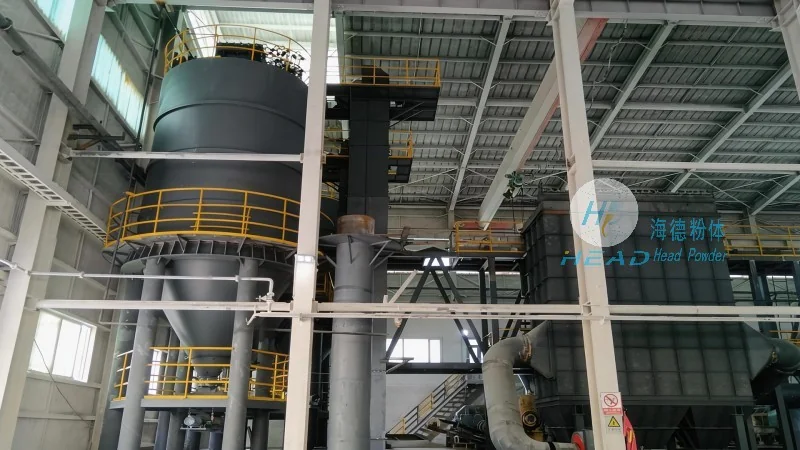
These systems find applications in a wide range of industries, including food and beverage processing, where they are used to transport ingredients like flour, sugar, and spices. In the pharmaceutical industry, vacuum conveying systems are used to handle active pharmaceutical ingredients (APIs) and other sensitive materials, ensuring that they are transported without contamination or degradation. The chemical industry also utilizes vacuum systems for the handling of powders and granules, such as fertilizers and pigments. Overall, vacuum material handling systems provide a reliable and efficient solution for material transport in various industrial settings.
Shandong HeadPowder Engineering Co., Ltd., a leading manufacturer of material handling equipment, specializes in the design and production of vacuum material handling pneumatic conveying systems. With years of experience in the industry, the company has developed advanced systems that meet the highest standards of efficiency, reliability, and hygiene. HeadPowder's systems are engineered to handle a wide range of materials, from fine powders to bulk granules, and are suitable for various industrial applications. The company's commitment to quality and customer satisfaction has made it a trusted partner for many businesses in need of reliable material handling solutions. Located in Shandong, China, HeadPowder continues to innovate and improve its products to meet the evolving needs of the industry.




