For industries dealing with bulk materials like grass and other agricultural or biomass materials, efficient material handling is crucial. Pneumatic conveying systems offer a reliable solution to transport these materials over long distances or within processing facilities. This article provides an in-depth look at the operation process and working principle of such systems, highlighting how they function to ensure smooth material transport.
Introduction to Pneumatic Conveying Systems for Grass and Materials
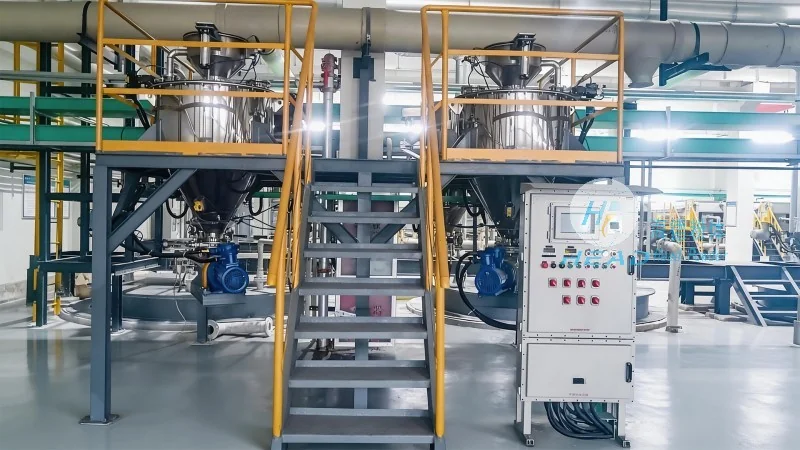
Pneumatic conveying systems utilize air or gas to transport dry bulk materials through a pipeline network. These systems are widely used in various industries, including agriculture, food processing, and biomass energy production, due to their ability to handle materials that are difficult to transport by traditional methods like belt conveyors or trucks. The core components of a typical pneumatic conveying system include a material hopper, a feeder, a conveying line, a dust collector, and a receiver. Each component plays a vital role in the overall operation, ensuring that materials are moved efficiently and safely.
Company Overview: Shandong HeadPowder Engineering Co., Ltd.
HeadPowder, a leading manufacturer in the field of material handling equipment, specializes in designing and manufacturing advanced pneumatic conveying systems tailored to the needs of grass and other bulk material industries. With years of experience and a commitment to innovation, HeadPowder has established itself as a trusted partner for businesses seeking reliable and efficient material transport solutions. The company’s headquarters is located in Shandong, China, where it leverages local expertise and resources to develop cutting-edge technologies for its clients.
The Working Principle of Pneumatic Conveying Systems
The fundamental principle behind pneumatic conveying is the use of air pressure to move materials through a pipeline. The process typically begins with the material being fed into a hopper, where it is stored before being introduced into the conveying line. A feeder then controls the flow of material into the pipeline, ensuring a consistent and controlled rate of material transport. As the material enters the conveying line, it is mixed with air or gas, which creates a slurry-like mixture known as a "conveying stream." This stream is then propelled through the pipeline by the pressure differential created by a blower or compressor at the inlet of the system.
Operation Process of Grass and Material Pneumatic Conveying
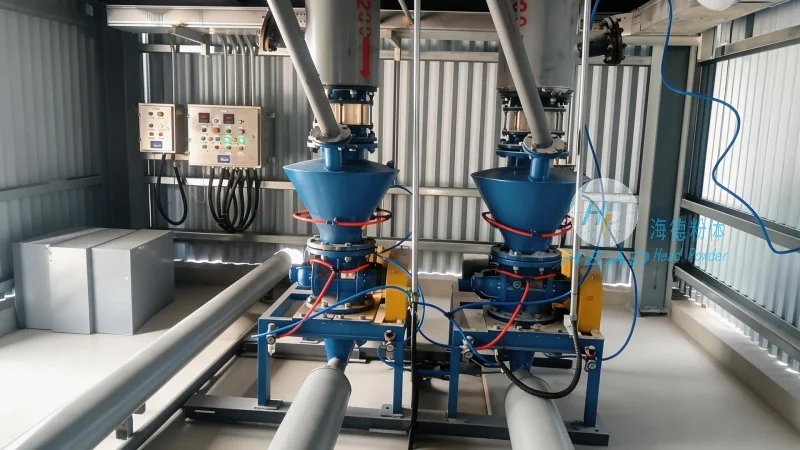
The operation process of a pneumatic conveying system for grass materials involves several key steps. First, the grass or other bulk material is loaded into the material hopper. The hopper is designed to store the material and provide a steady feed to the system. Next, the feeder, often a rotary valve or a screw feeder, regulates the flow of material into the conveying line. The material is then mixed with air, which is supplied by a positive displacement blower or a centrifugal fan. The air and material mixture travels through the pipeline at high velocity, moving the material from the source to the destination, such as a processing plant or storage silo.
Key Components and Their Functions
Several critical components work together to ensure the smooth operation of a pneumatic conveying system. The material hopper serves as the storage container, providing a steady supply of material. The feeder controls the rate of material discharge, preventing overloading or underloading of the system. The conveying line, usually made of stainless steel or other corrosion-resistant materials, transports the material and air mixture. The blower or compressor generates the necessary air pressure to move the material. A dust collector is often included to capture any airborne particles, ensuring compliance with environmental regulations and maintaining a clean working environment. Finally, the receiver collects the material at the end of the pipeline, where it is discharged for further processing or storage.
Advantages of Pneumatic Conveying Systems
Pneumatic conveying systems offer several advantages over traditional material handling methods. They are capable of transporting materials over long distances without the need for multiple transfer points, reducing the risk of material spillage and contamination. The enclosed pipeline system also prevents dust emissions, making it suitable for applications where dust control is essential. Additionally, these systems can handle a wide range of materials, including fine powders, granules, and bulk solids like grass, without causing degradation or damage to the material. The flexibility of pneumatic conveying allows for easy integration with existing processing lines, making it a versatile solution for various industrial applications.
Applications in the Grass and Material Industry
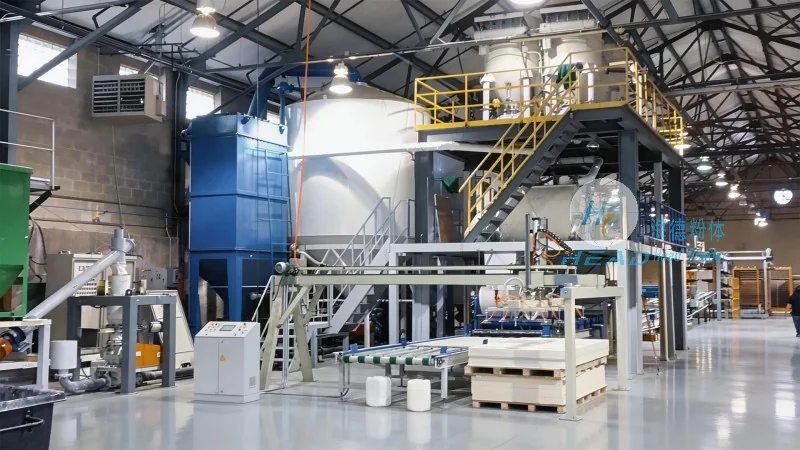
In the grass and material industry, pneumatic conveying systems are widely used for transporting hay, straw, and other agricultural residues. These materials are often bulky and difficult to handle manually, making automated systems like pneumatic conveyors essential for efficient processing. The systems can be customized to handle different material types and processing requirements, ensuring optimal performance. For example, in biomass energy plants, pneumatic conveying is used to transport grass and other feedstocks to the combustion or gasification units, where they are converted into energy. In feed manufacturing, these systems are used to transport grass-based ingredients to mixing and extrusion lines, ensuring consistent quality and production efficiency.
Maintenance and Operational Considerations
To ensure the longevity and efficiency of a pneumatic conveying system, regular maintenance is essential. This includes checking the condition of the conveying line for any leaks or blockages, inspecting the blower or compressor for proper operation, and cleaning the dust collector to maintain its effectiveness. The material hopper and feeder should also be inspected regularly to prevent material buildup or clogging. Proper operational considerations, such as maintaining the correct air pressure and material feed rate, are crucial for preventing system downtime and ensuring consistent material transport. By following these maintenance and operational guidelines, businesses can maximize the performance and lifespan of their pneumatic conveying systems.
Conclusion
Pneumatic conveying systems represent a sophisticated and efficient solution for transporting grass and other bulk materials. Through the integration of advanced components and a well-designed operation process, these systems provide reliable material handling capabilities for various industrial applications. With the expertise of companies like Shandong HeadPowder Engineering Co., Ltd., businesses can access tailored pneumatic conveying solutions that meet their specific needs, enhancing productivity and operational efficiency in the grass and material industry.




