Shandong HeadPowder Engineering Co., Ltd., a leading enterprise in the chemical industry, specializes in the production and processing of glycine, a vital amino acid with extensive applications in pharmaceuticals, food additives, and chemical synthesis. This document provides a comprehensive overview of the technical parameters governing glycine production and the efficient transportation systems employed in its processing workflow.
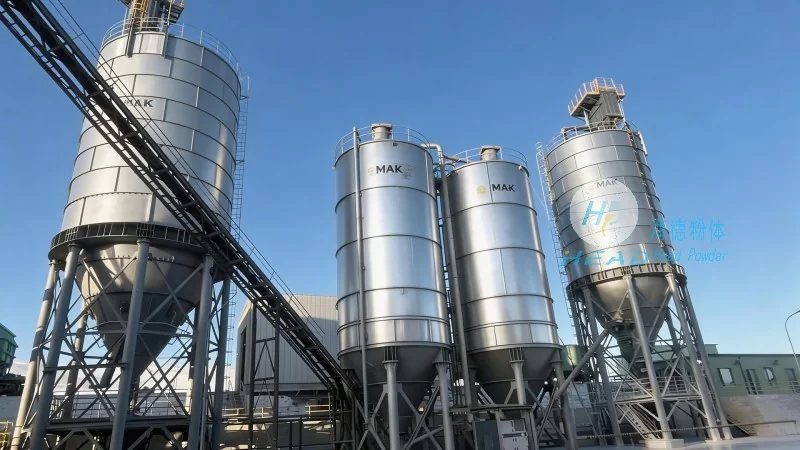
Key Technical Parameters for Glycine Production
Glycine, also known as aminoacetic acid, is a simple amino acid with the chemical formula C2H5NO2. Its production involves precise control of several critical technical parameters to ensure high purity and consistent quality. The primary technical parameters include:
1. **Purity and Purity Index**: The purity of glycine is typically measured as a percentage of the compound in the final product. High-purity glycine (≥99%) is essential for pharmaceutical applications, where impurities can affect efficacy and safety. The purity index is often determined through chromatographic analysis, ensuring that the product meets stringent industry standards.
2. **Moisture Content**: Moisture levels in glycine are carefully monitored to prevent degradation and maintain stability. The recommended moisture content for industrial-grade glycine is usually below 0.5%, as higher moisture can lead to caking and microbial growth, compromising product quality.
3. **pH Value**: The pH of the glycine solution during production is critical for controlling the reaction equilibrium and preventing side reactions. The optimal pH range for glycine synthesis is typically between 7.0 and 8.0, ensuring that the amino acid remains in its stable form and minimizing the formation of byproducts.
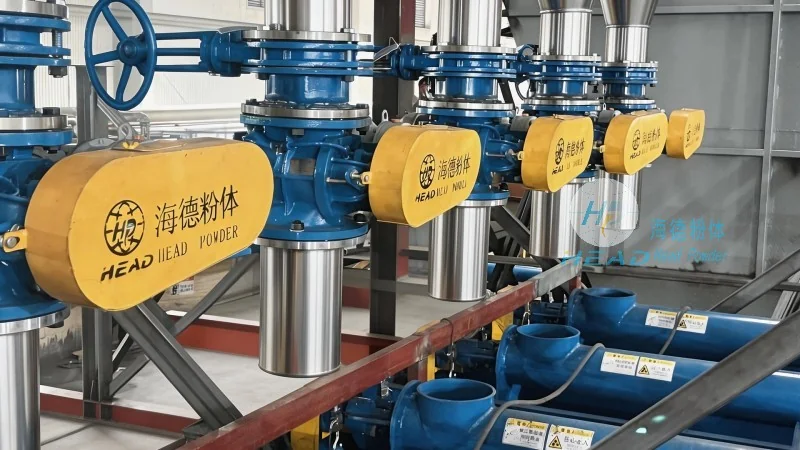
4. **Temperature Control**: Temperature is a key parameter in the synthesis and crystallization stages of glycine production. Maintaining precise temperature control (e.g., 50-60°C during reaction and 20-25°C during crystallization) is crucial to achieve the desired yield and crystal size. Deviations in temperature can lead to incomplete reactions or the formation of undesirable polymorphs.
5. **Concentration and Solubility**: The concentration of glycine in the solution affects its solubility and subsequent processing steps. Proper concentration management ensures efficient crystallization and separation processes. The solubility of glycine in water at room temperature is approximately 25 g per 100 mL, which is a critical factor in determining the optimal concentration for production.
The Transportation System Process for Glycine
The transportation system for glycine production at Shandong HeadPowder Engineering Co., Ltd. is designed to ensure safe, efficient, and hygienic movement of the product from the production line to storage and packaging facilities. The process involves several stages, each optimized for the specific characteristics of glycine:
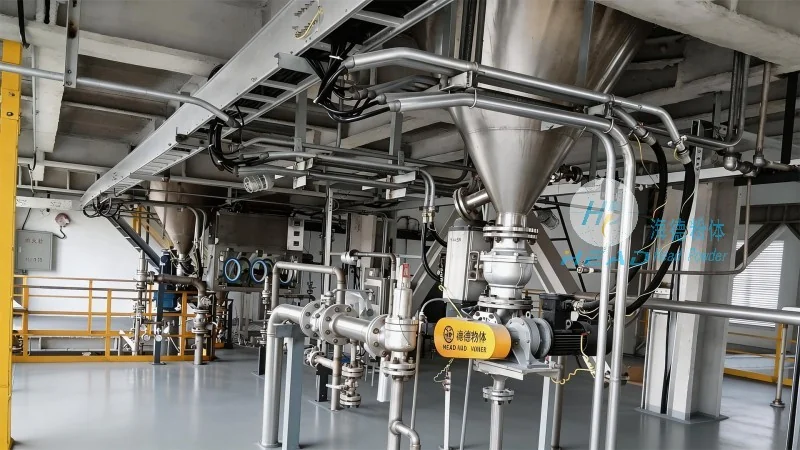
1. **Material Handling and Transfer**: Raw materials such as carbon sources, nitrogen sources, and catalysts are transported to the production plant via bulk handling systems. These systems include conveyor belts, pneumatic conveyors, and silos to ensure smooth and continuous material flow. The materials are then transferred to the reaction vessels using automated dosing systems, which maintain precise control over the feed rates.
2. **Reaction and Crystallization**: The glycine synthesis reaction occurs in large-scale reactors equipped with temperature and pH control systems. The reaction mixture is continuously monitored, and adjustments are made in real-time to maintain optimal conditions. After the reaction is complete, the mixture is cooled and subjected to crystallization. The crystallization process is carefully controlled to produce uniform crystal sizes, which are essential for efficient filtration and drying.
3. **Filtration and Drying**: The crystallized glycine is separated from the mother liquor through a filtration process using vacuum filters or centrifuges. The filtered crystals are then dried using hot air dryers or fluidized bed dryers. The drying process is conducted at controlled temperatures (typically 60-80°C) to remove residual moisture without degrading the product. The dried glycine is then screened to remove any oversized or undersized particles, ensuring a consistent particle size distribution.
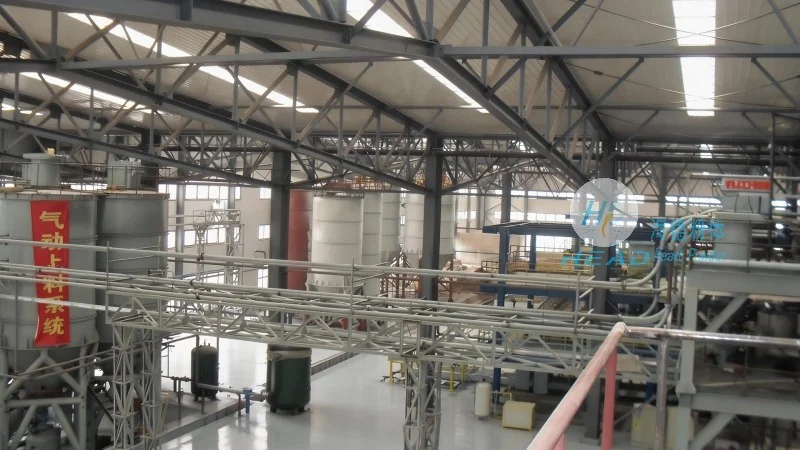
4. **Packaging and Storage**: The final product is packaged in sealed containers, such as plastic drums or metal cans, to prevent contamination and moisture absorption. The packaging is labeled with detailed information about the product, including purity, batch number, and expiration date. The packaged glycine is stored in a cool, dry environment, typically at temperatures below 25°C, to maintain its stability and shelf life.
Quality Assurance and Compliance
Shandong HeadPowder Engineering Co., Ltd. adheres to strict quality assurance protocols to ensure that all glycine products meet international standards. The company employs advanced analytical techniques, such as high-performance liquid chromatography (HPLC) and gas chromatography (GC), to verify the purity and composition of the final product. Additionally, the transportation system is designed to comply with relevant safety regulations, including those related to chemical handling and environmental protection.
The company's commitment to quality is reflected in its certifications, including ISO 9001 for quality management systems and ISO 14001 for environmental management. These certifications demonstrate the company's dedication to producing high-quality glycine while minimizing its environmental impact.
Conclusion
Glycine is a versatile amino acid with significant applications in various industries, and the technical parameters and transportation systems employed by Shandong HeadPowder Engineering Co., Ltd. play a crucial role in ensuring its high purity and consistent quality. By maintaining strict control over production parameters and implementing efficient transportation processes, the company delivers reliable glycine products to its customers worldwide. As a leading manufacturer in the field, Shandong HeadPowder Engineering Co., Ltd. continues to innovate and improve its processes to meet the evolving needs of the market.




