For industrial applications requiring efficient and reliable material handling, the dry lime material pneumatic conveying system stands out as a sophisticated solution. This system is engineered to transport dry lime efficiently, ensuring minimal loss and optimal performance in various industrial settings. The following content provides a detailed exploration of its operation process and working principle, complemented by information about the manufacturer, Shandong HeadPowder Engineering Co., Ltd.
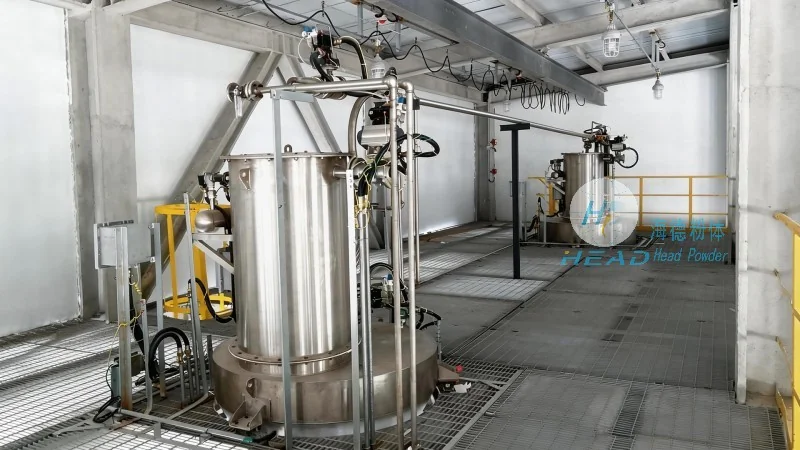
System Overview and Core Components
The dry lime material pneumatic conveying system is a closed-loop system designed to handle dry lime powder or granules. It typically consists of several key components, including a hopper for material storage, a feeder to control the flow rate, a conveying line (often equipped with airlocks or rotary valves), a dust collector to manage airborne particles, and a receiver for the discharged material. The system operates under a pressure or vacuum environment, depending on the specific conveying method used—either positive pressure (blowing air into the system) or negative pressure (sucking air out of the system). The choice of method influences the system's efficiency, energy consumption, and suitability for different material characteristics.
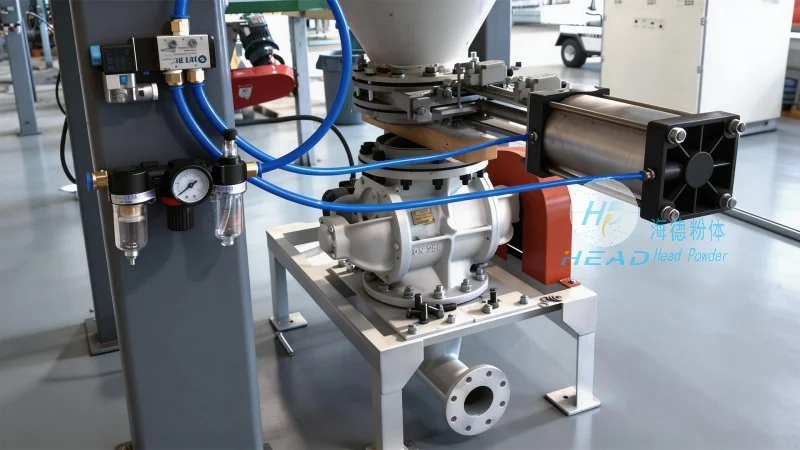
Working Principle of the Pneumatic Conveying System
The fundamental principle behind the dry lime material pneumatic conveying system is the use of air to transport solid particles. In a positive pressure system, a blower or compressor generates compressed air that is introduced into the conveying line. The air flows through the system, carrying the dry lime particles along with it. The velocity of the air must be sufficient to overcome the gravitational forces and frictional resistance of the particles, ensuring they remain suspended and move through the pipeline. The system's design, including the size of the conveying line, the air velocity, and the angle of the pipeline, all play critical roles in maintaining stable and efficient transport. Conversely, in a negative pressure system, a vacuum pump creates a low-pressure environment that draws the air and particles from the source into the system. This method is often preferred for applications where dust control is paramount, as it confines the material within the system and prevents it from escaping into the environment.
Operation Process: Step-by-Step Execution
The operation of the dry lime material pneumatic conveying system follows a systematic process to ensure consistent and reliable material transport. The process begins with the loading of dry lime into the hopper. The feeder then regulates the flow rate, controlling the amount of material that enters the conveying line. The air is introduced at the appropriate pressure or vacuum level, and the material is carried through the pipeline to the receiver. At the receiving end, the material is discharged, and the air is filtered by the dust collector to remove any entrained particles before being released or recirculated. The system's control system monitors key parameters such as pressure, flow rate, and material level, adjusting the operation as needed to maintain optimal performance. Regular maintenance, including cleaning the hopper, checking the feeder, and inspecting the air filters, is essential to prevent blockages and ensure the system operates efficiently over time.
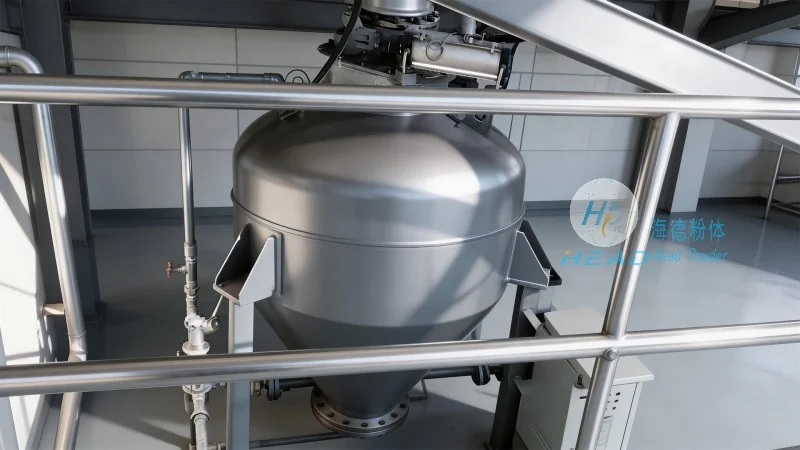
About Shandong HeadPowder Engineering Co., Ltd.
Shandong HeadPowder Engineering Co., Ltd., commonly known as headpowder, is a leading manufacturer specializing in industrial material handling solutions. With a focus on innovation and quality, the company provides comprehensive services, including system design, manufacturing, installation, and maintenance for pneumatic conveying systems. HeadPowder's expertise in handling dry lime and other similar materials has earned it a reputation for delivering reliable and efficient solutions tailored to the specific needs of its clients. The company's facilities are located in Shandong, China, where it leverages advanced technology and skilled personnel to meet the demands of the industrial sector.




