For industries such as aluminum production, ceramics, and chemical processing, the efficient handling of alumina crystal materials is a critical operational requirement. The pneumatic conveying system is a specialized technology designed to address these needs by utilizing air as the primary transport medium. This system is particularly advantageous for alumina crystals due to their abrasive and fine particle characteristics, which can cause significant wear on traditional mechanical conveyors. By employing a pneumatic approach, the system minimizes material degradation and ensures a clean, dust-free transport process, thereby maintaining the integrity of the product.
Introduction to the Pneumatic Conveying System for Alumina Crystals
For industries such as aluminum production, ceramics, and chemical processing, the efficient handling of alumina crystal materials is a critical operational requirement. The pneumatic conveying system is a specialized technology designed to address these needs by utilizing air as the primary transport medium. This system is particularly advantageous for alumina crystals due to their abrasive and fine particle characteristics, which can cause significant wear on traditional mechanical conveyors. By employing a pneumatic approach, the system minimizes material degradation and ensures a clean, dust-free transport process, thereby maintaining the integrity of the product.
Key Components of the Pneumatic Conveying System
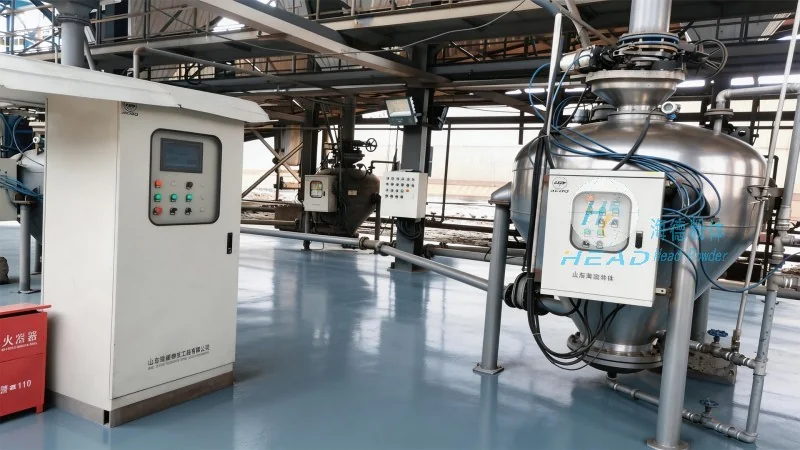
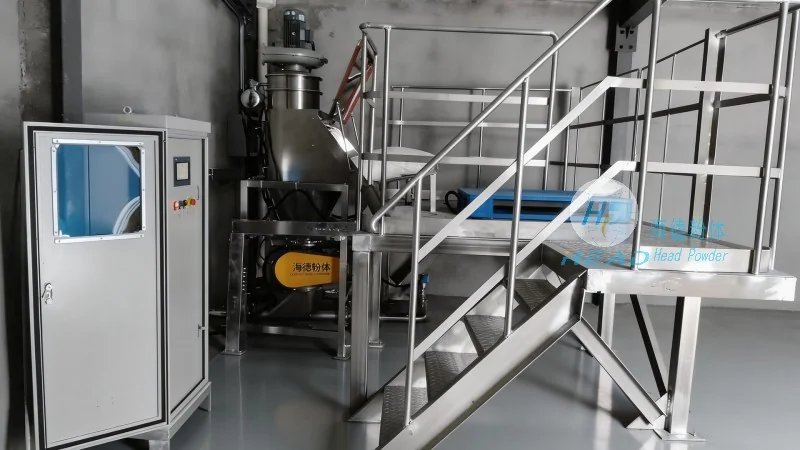
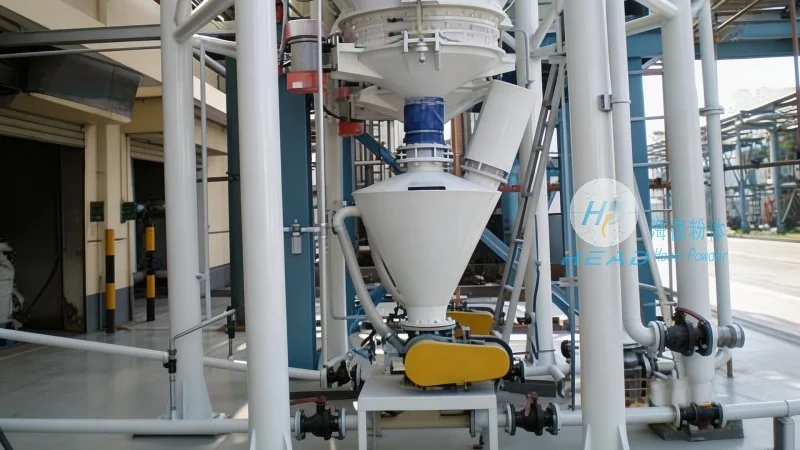
The pneumatic conveying system for alumina crystals comprises several interdependent components that work in concert to achieve reliable material transport. The primary components include the material feeder, which introduces the alumina crystals into the system at a controlled rate; the air compressor or blower, which generates the necessary airflow to create the conveying pressure; the conveying pipeline, typically made of corrosion-resistant materials like stainless steel or special alloys to withstand the abrasive nature of alumina crystals; the control system, which monitors and regulates the flow rate, pressure, and other operational parameters; and the separator or cyclone at the receiving end, which separates the material from the air stream. Each component is engineered to handle the specific challenges posed by alumina crystals, ensuring durability and optimal performance.
Operation Process of the Pneumatic Conveying System
The operation of the system begins with the material feeder, which can be a screw feeder, rotary valve, or other type of feeder designed to handle fine, abrasive materials. The feeder introduces the alumina crystals into the pipeline at a consistent rate, ensuring a steady flow of material. Simultaneously, the air compressor generates a high-pressure airflow that is introduced into the pipeline. As the air flows through the conveying line, it creates a pressure differential that lifts and transports the alumina crystals, forming a suspension of material and air. The mixture travels through the pipeline to the destination point, which may be a storage silo, processing unit, or other facility. At the receiving end, the separator or cyclone uses centrifugal force to separate the alumina crystals from the air. The material is collected in a hopper or container, while the air is either recirculated back into the system or vented to the atmosphere. The control system continuously monitors the process, adjusting the airflow and material feed rate as needed to maintain optimal performance and prevent blockages or other issues.
Working Principle Explained
The working principle of the pneumatic conveying system for alumina crystals is based on the concept of fluidization and suspension. The air compressor creates a pressure that forces air through the pipeline at a velocity sufficient to overcome the gravitational force acting on the alumina crystals. This velocity is typically in the range of 20 to 30 meters per second, depending on the material properties and system design. The alumina crystals are suspended in the air stream, allowing them to move through the system without direct contact with the pipeline walls. This suspension minimizes particle attrition and prevents the buildup of material on the pipeline interior. The system's design also incorporates features such as pulsation or vibration to further enhance the fluidization process, ensuring a smooth and continuous flow. The separation process at the receiving end relies on the difference in density between the alumina crystals and the air, with the heavier particles settling out due to gravity.
Advantages of the Pneumatic Conveying System
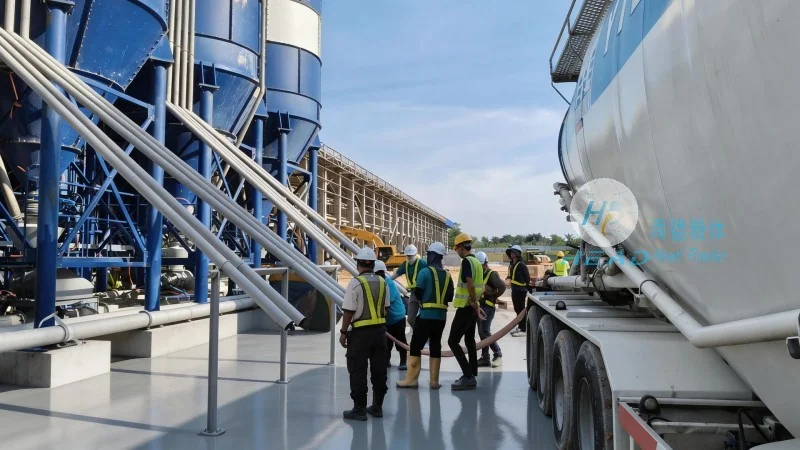
Implementing a pneumatic conveying system for alumina crystals offers numerous advantages over traditional mechanical conveying methods. One of the most significant benefits is the reduction in dust and contamination, as the system operates in an enclosed environment. This is crucial for maintaining product purity, especially in applications where the alumina crystals are used as a raw material in high-purity processes. Additionally, the system reduces the risk of material degradation, which can occur due to friction or impact in mechanical conveyors. The enclosed design also enhances worker safety by minimizing exposure to airborne particles. From a maintenance perspective, the pneumatic system typically requires less maintenance than mechanical systems, as there are fewer moving parts and less wear on components. Furthermore, the system's flexibility allows for easy adjustments to material flow rates and destination changes, making it adaptable to varying production needs.
Company Overview: Shandong HeadPowder Engineering Co., Ltd.
Shandong HeadPowder Engineering Co., Ltd., operating under the brand name HeadPowder, is a prominent manufacturer and supplier of advanced material handling solutions, including pneumatic conveying systems. HeadPowder is headquartered in Shandong, China, and has built a strong reputation for delivering high-quality, customized systems tailored to the specific requirements of its clients. The company specializes in the design, manufacturing, and installation of pneumatic conveying systems for a wide range of industries, with a particular focus on alumina crystal materials. HeadPowder's engineering team leverages years of experience and cutting-edge technology to develop solutions that address the unique challenges of material transport in abrasive and fine particle applications. The company's commitment to quality, innovation, and customer satisfaction has established it as a trusted partner in the industry, with a track record of successful projects and satisfied clients.
Conclusion
The pneumatic conveying system for alumina crystal materials represents a sophisticated and effective solution for industries requiring reliable and efficient material transport. By understanding the operation process and working principles of this system, users can appreciate the benefits it offers in terms of product quality, operational efficiency, and cost-effectiveness. As a leading provider in the field, Shandong HeadPowder Engineering Co., Ltd. continues to innovate and deliver top-tier solutions that meet the evolving needs of the industry, ensuring that clients can achieve optimal performance and maintain a competitive edge in their respective markets.




