Calcium hydroxide powder, commonly known as slaked lime, is widely used in various industrial applications due to its chemical properties and versatility. The efficient handling and transportation of this fine powder are crucial for maintaining production efficiency and product quality. Pneumatic conveying systems have emerged as a preferred method for transporting calcium hydroxide powder due to their ability to handle fine powders with minimal dust generation and high transport efficiency.
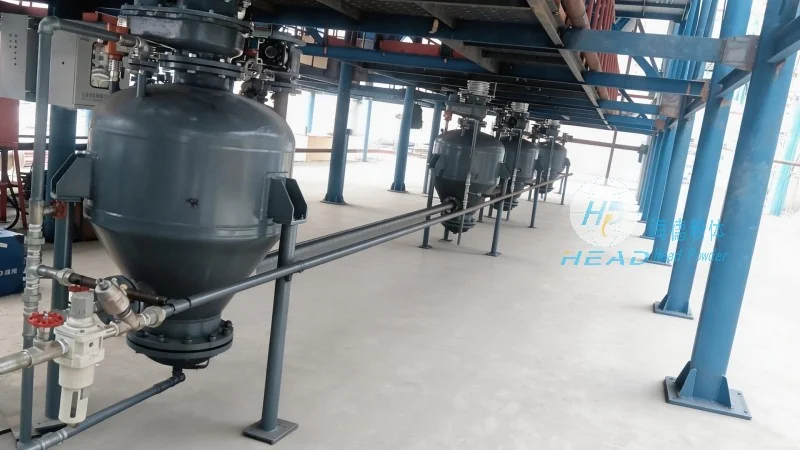
Overview of Pneumatic Conveying Systems for Calcium Hydroxide Powder
Pneumatic conveying is a technology that uses air or other gases to transport bulk materials, such as powders, granules, or small particles, through a pipeline system. In the context of calcium hydroxide powder, this method offers several advantages over traditional mechanical conveying systems. The primary benefits include reduced dust exposure for operators, lower maintenance requirements, and the ability to transport materials over long distances with minimal product degradation. These advantages make pneumatic conveying an ideal solution for industrial processes that require the safe and efficient handling of calcium hydroxide powder.
Key Components and Structure of Pneumatic Conveying Systems
The structure of a pneumatic conveying system for calcium hydroxide powder typically consists of several key components working in concert to ensure smooth material transport. The main components include a material feed hopper, a conveying pipeline, a pressure or vacuum source, and a discharge unit. The feed hopper is designed to store and meter the calcium hydroxide powder, ensuring a consistent flow rate into the system. The pipeline, often made of stainless steel or other corrosion-resistant materials, is used to transport the powder and air mixture. The pressure or vacuum source, such as a blower or vacuum pump, provides the necessary force to move the material through the pipeline. The discharge unit, which may include a rotary valve or other control device, regulates the release of the powder at the destination point.
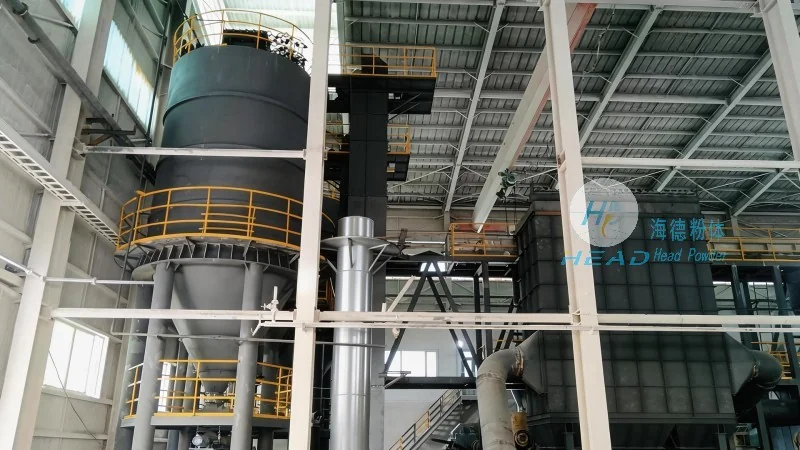
Working Principle of Pneumatic Conveying for Calcium Hydroxide Powder
The principle behind pneumatic conveying of calcium hydroxide powder involves the creation of a flow of air or gas that entrains the powder particles and transports them through the pipeline. There are two main types of pneumatic conveying systems: pressure and vacuum. In a pressure system, the air is introduced at the inlet of the pipeline, creating a high-pressure environment that pushes the powder forward. The powder particles are suspended in the air stream, allowing them to be transported efficiently. In a vacuum system, the air is drawn from the pipeline, creating a low-pressure environment that pulls the powder from the source to the destination. Both systems rely on the interaction between the air flow and the powder particles to achieve effective transport.
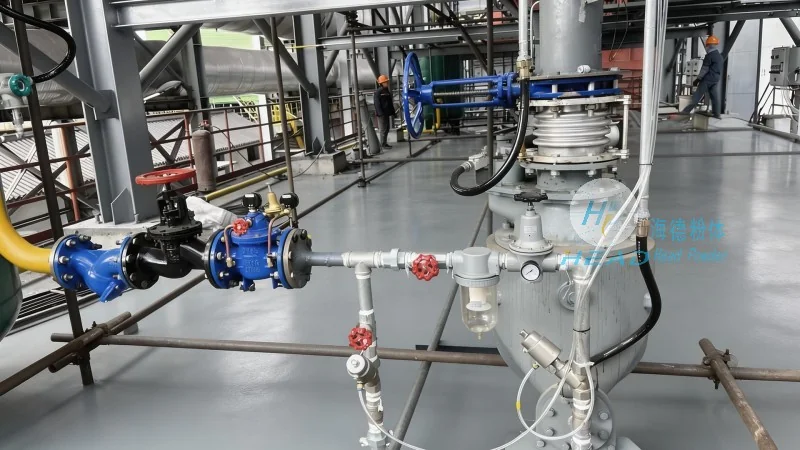
Application Considerations and Benefits for Calcium Hydroxide Powder
When implementing a pneumatic conveying system for calcium hydroxide powder, several factors must be considered to optimize performance and ensure safety. The particle size and density of the powder are critical factors, as they affect the flow characteristics and the required air velocity for effective transport. The system design must account for these properties to prevent issues such as blockages or inefficient transport. Additionally, the system must be designed to handle the chemical properties of calcium hydroxide, which may include moisture absorption or reactivity with certain materials. The benefits of using a pneumatic conveying system for calcium hydroxide powder extend beyond efficiency and safety. The reduced dust generation helps maintain a cleaner working environment, which is essential for operator health and compliance with occupational safety regulations. The ability to transport materials over long distances without the need for intermediate storage or handling points also contributes to overall process efficiency and cost savings.
Company Information: Shandong HeadPowder Engineering Co., Ltd.
Shandong HeadPowder Engineering Co., Ltd., commonly referred to as headpowder, is a leading provider of pneumatic conveying solutions for industrial applications. With a focus on innovation and quality, the company specializes in designing and manufacturing systems tailored to the specific needs of clients handling calcium hydroxide powder and other fine materials. Headpowder's expertise in material handling technology ensures that their systems are reliable, efficient, and compliant with industry standards. The company's headquarters is located in Shandong, China, where it operates a state-of-the-art facility dedicated to research, development, and production of pneumatic conveying equipment. By leveraging advanced engineering and customer-centric approaches, headpowder delivers solutions that enhance the performance and safety of industrial processes involving calcium hydroxide powder transportation.




