Reduction iron powder is a critical material in various industrial applications, particularly in the production of steel and other metal alloys. The efficient and reliable transportation of this fine powder is essential for maintaining production efficiency and product quality. Pneumatic conveying systems have emerged as a preferred method for handling reduction iron powder due to their ability to transport materials in a dust-free environment, reducing contamination risks and improving overall process safety.
Overview of Reduction Iron Powder Pneumatic Conveying
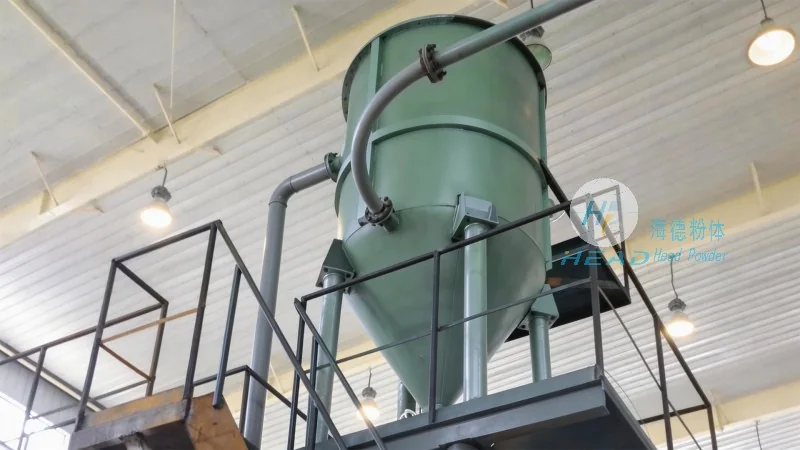
Reduction iron powder pneumatic conveying involves the use of a pressurized air or gas stream to transport fine particles of reduction iron powder from one location to another. This method is widely adopted in industries such as steel manufacturing, chemical processing, and pharmaceuticals, where the handling of fine powders requires precision and minimal particle degradation. The system typically consists of a feeding unit, a conveying line, and a discharge unit, all working in tandem to ensure smooth material transfer.
Key Components of the Pneumatic Conveying System
The pneumatic conveying system for reduction iron powder is composed of several key components that work together to achieve efficient material transport. These components include:
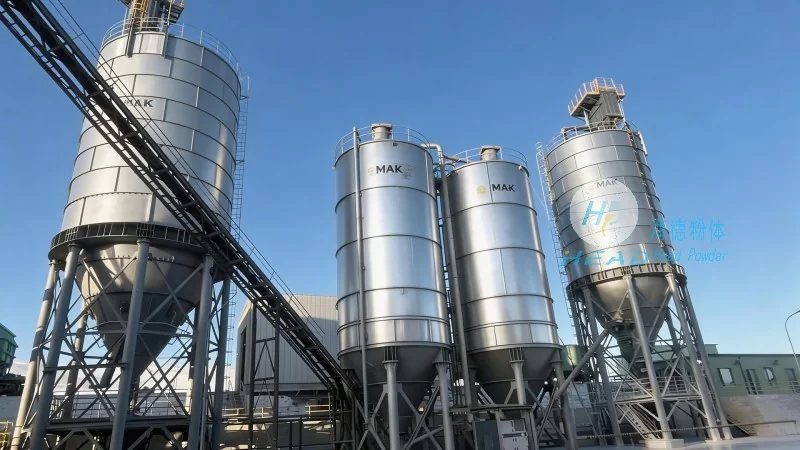
- Feeding Device: This component is responsible for introducing the reduction iron powder into the conveying system. It may include a hopper, a rotary valve, or a feeder that controls the flow rate of the powder, ensuring a consistent and controlled feed.
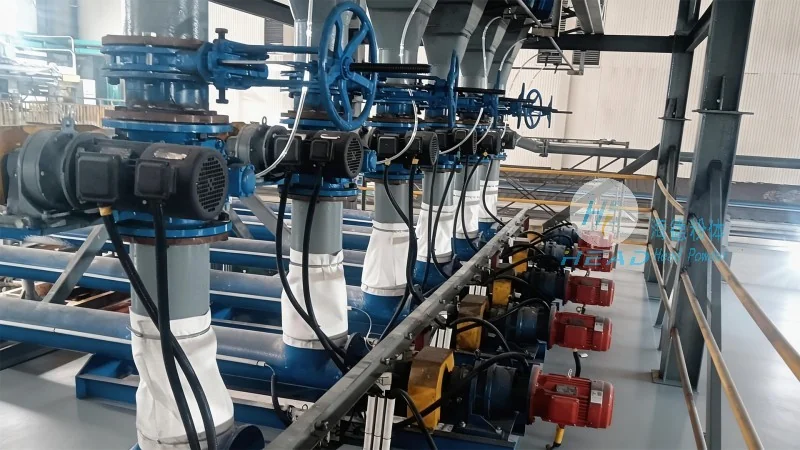
- Conveying Pipeline: The pipeline is the main channel through which the powder is transported. It is typically made of materials such as stainless steel or plastic, chosen for their resistance to corrosion and wear from the fine powder particles. The pipeline design, including the diameter and length, is critical in determining the system's efficiency and pressure drop.
- Air Supply System: This system provides the necessary pressure and flow of air or gas to move the powder particles. It includes a blower or compressor, a filter to remove contaminants from the air, and a control system to regulate the air pressure and flow rate.
- Discharge Unit: The discharge unit is where the reduction iron powder is released from the conveying system. It may include a rotary valve, a cyclone separator, or a filter to separate the powder from the air stream, ensuring that the powder is collected in a clean and controlled manner.
Working Principle of the Pneumatic Conveying Process
The working principle of the reduction iron powder pneumatic conveying system is based on the principle of fluidization and suspension. When the air or gas is introduced into the pipeline at a sufficient velocity, it creates a fluidized bed of the powder particles, lifting them off the pipeline walls and carrying them through the system. The velocity of the air stream must be high enough to overcome the gravitational force acting on the powder particles and maintain their suspension in the air stream.
The system operates by first feeding the reduction iron powder into the pipeline at a controlled rate. The air supply system then introduces pressurized air into the pipeline, creating a high-velocity air stream that lifts the powder particles and transports them to the discharge unit. The discharge unit then separates the powder from the air stream, allowing the powder to be collected in a container or further processed.
Advantages of Pneumatic Conveying for Reduction Iron Powder
Pneumatic conveying offers several advantages over traditional methods such as bucket elevators or belt conveyors for handling reduction iron powder. These advantages include:
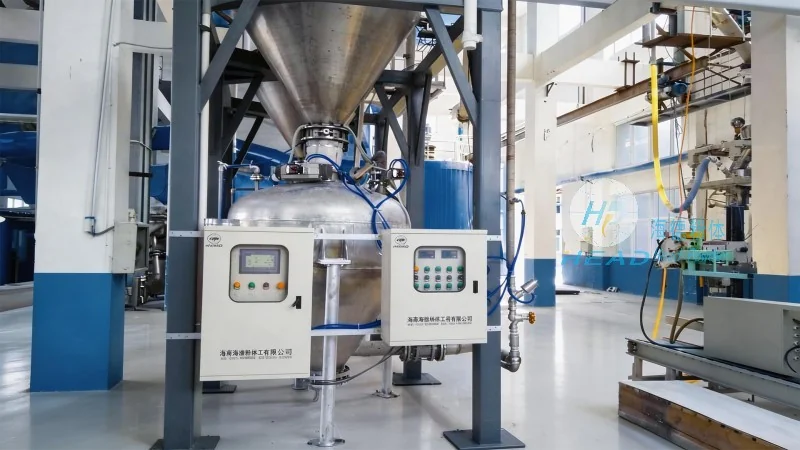
- Dust-Free Operation: The enclosed pipeline system prevents dust from escaping into the environment, reducing the risk of respiratory hazards and contamination of other materials.
- Reduced Product Contamination: The sealed system minimizes the exposure of the powder to external contaminants, ensuring that the final product remains pure and meets quality standards.
- Improved Process Safety: The absence of moving parts in the conveying line reduces the risk of mechanical failure and associated safety hazards.
- Flexibility in Layout: Pneumatic conveying systems can be easily configured to fit various plant layouts, allowing for flexible and space-saving installations.
- Energy Efficiency: Modern pneumatic conveying systems are designed to be energy-efficient, with optimized air flow and pressure control to minimize energy consumption.
Applications of Reduction Iron Powder Pneumatic Conveying
The reduction iron powder pneumatic conveying system is widely used in various industrial applications where the handling of fine powders is critical. Some of the key applications include:
- Steel Manufacturing: In steel production, reduction iron powder is used as a raw material for producing low-carbon steel and other alloy steels. The pneumatic conveying system ensures that the powder is transported efficiently to the steelmaking furnace, maintaining consistent quality and reducing downtime.
- Chemical Processing: In chemical plants, reduction iron powder is used as a catalyst or a reactant in various chemical reactions. The system provides a reliable and clean method for transporting the powder to the reaction vessels, ensuring optimal reaction conditions.
- Pharmaceutical Industry: In the pharmaceutical sector, reduction iron powder is used in the production of iron supplements and other medicinal products. The dust-free and contamination-free conveying system is essential for meeting the stringent quality standards required in pharmaceutical manufacturing.
- Electronics Manufacturing: In the electronics industry, reduction iron powder is used in the production of magnetic materials and components. The system ensures that the powder is transported in a clean environment, preventing contamination of sensitive electronic parts.
Conclusion
Reduction iron powder pneumatic conveying is a highly effective and reliable method for transporting fine powders in various industrial applications. The system's ability to operate in a dust-free environment, minimize product contamination, and improve process safety makes it an ideal choice for handling reduction iron powder. With advancements in technology, modern pneumatic conveying systems are designed to be more energy-efficient and flexible, further enhancing their applicability in today's industrial settings. As the demand for high-quality reduction iron powder continues to grow, the importance of efficient and reliable conveying systems cannot be overstated.




