HeadPowder, a leading manufacturer based in Shandong, China, specializes in the design and production of advanced pneumatic conveying systems tailored for various industrial applications, including the handling of sodium carbonate. This article provides an overview of the equipment, its structural components, and the fundamental principles governing its operation.
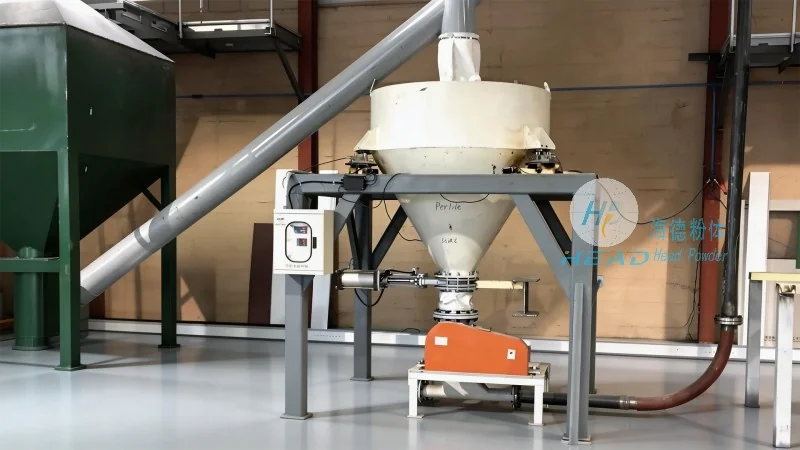
Overview of Sodium Carbonate Pneumatic Conveying Equipment
Sodium carbonate, commonly known as soda ash, is a widely used chemical in industries such as glass manufacturing, paper production, and water treatment. The efficient and safe transportation of this material is crucial for maintaining production efficiency and ensuring operational safety. Pneumatic conveying equipment offers a reliable solution for this purpose, enabling the transport of sodium carbonate in a dust-free environment and reducing the risk of material degradation or contamination.
Key Structural Components of the Equipment
The pneumatic conveying system for sodium carbonate typically consists of several critical components that work in tandem to ensure smooth operation. These include the material hopper, which stores the sodium carbonate and feeds it into the system; the air compressor or blower, which generates the necessary airflow to move the material; the conveying line, which transports the material from the hopper to the discharge point; and the control system, which regulates the airflow and material flow rates to maintain optimal performance.
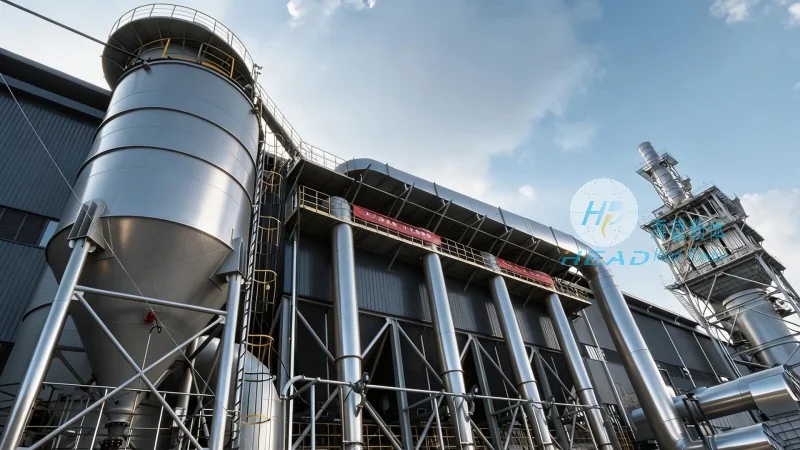
Working Principle of the Pneumatic Conveying System
The operation of the sodium carbonate pneumatic conveying equipment is based on the principle of air suspension, where the material is suspended in a stream of air and transported through the conveying line. The process begins with the material being fed from the hopper into the conveying line. Simultaneously, the air compressor generates a high-pressure air stream that enters the conveying line. As the air flows through the line, it lifts and transports the sodium carbonate particles, creating a dense phase or dilute phase flow depending on the system design and operational parameters.
Advantages of Using Pneumatic Conveying for Sodium Carbonate
Implementing pneumatic conveying systems for sodium carbonate offers several advantages over traditional methods like belt conveyors or bucket elevators. These benefits include reduced material handling costs, improved safety by minimizing dust exposure, enhanced product quality due to the dust-free environment, and increased flexibility in system layout and integration with other production processes. The ability to handle sodium carbonate in a controlled manner also helps in maintaining consistent product characteristics and reducing the risk of material degradation or caking.
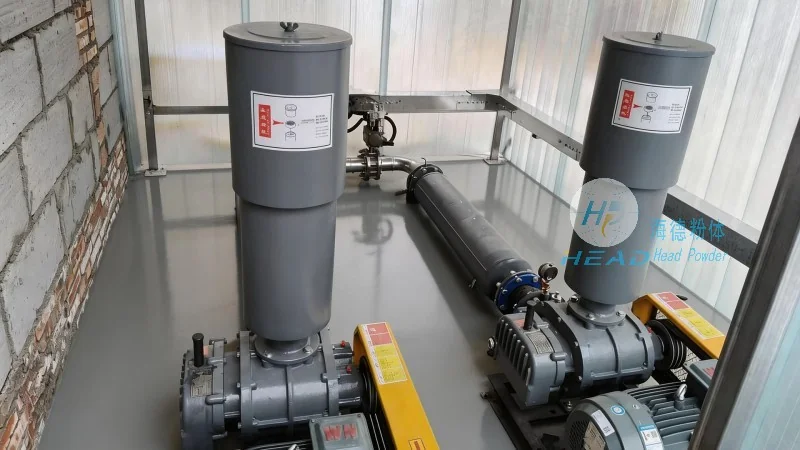
Application Scenarios and Customization Options
HeadPowder's pneumatic conveying equipment for sodium carbonate is designed to meet the specific requirements of various industrial applications. The systems can be customized to handle different particle sizes, flow rates, and distances, ensuring optimal performance for each unique scenario. Whether used in a small-scale laboratory setting or a large-scale industrial plant, the equipment can be tailored to fit the operational needs and space constraints of the user.
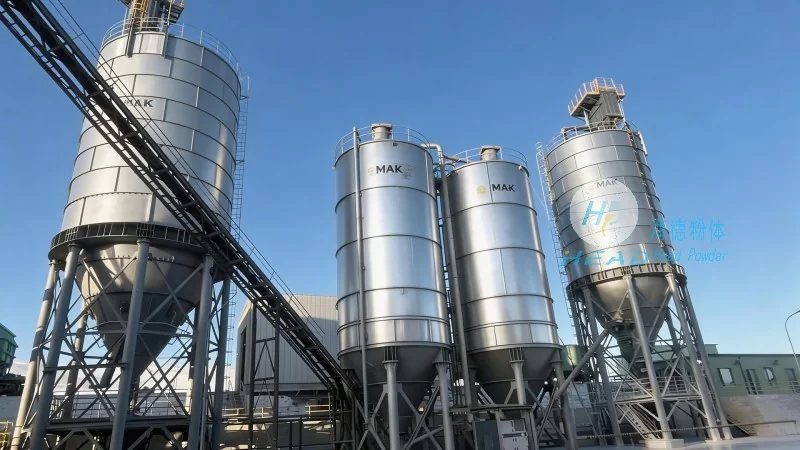
Maintenance and Operational Considerations
To ensure the long-term reliability and efficiency of the pneumatic conveying system, regular maintenance is essential. This includes checking the air compressor for proper operation, inspecting the conveying line for blockages or wear, and cleaning the material hopper and other components to prevent material buildup. Operational considerations also involve monitoring the airflow and material flow rates to maintain optimal performance and prevent system overload or underload conditions.
Conclusion
HeadPowder's pneumatic conveying equipment provides an efficient and reliable solution for the transportation of sodium carbonate, combining advanced technology with robust design to meet the demands of modern industrial applications. By understanding the structural components and working principles of the system, users can make informed decisions about implementing this technology in their operations, ultimately enhancing productivity and ensuring operational safety.




