Phosphate iron, as a critical raw material in the production of iron and steel, plays a vital role in modern metallurgical processes. The efficient and reliable transportation of phosphate iron from storage to processing units is essential for maintaining production efficiency and ensuring product quality. Pneumatic conveying equipment, particularly designed for handling phosphate iron, offers a solution that combines flexibility, safety, and performance. This article provides an overview of the structure and working principles of phosphate iron pneumatic conveying equipment, highlighting its key components and operational mechanisms.
Key Components of Phosphate Iron Pneumatic Conveying Systems
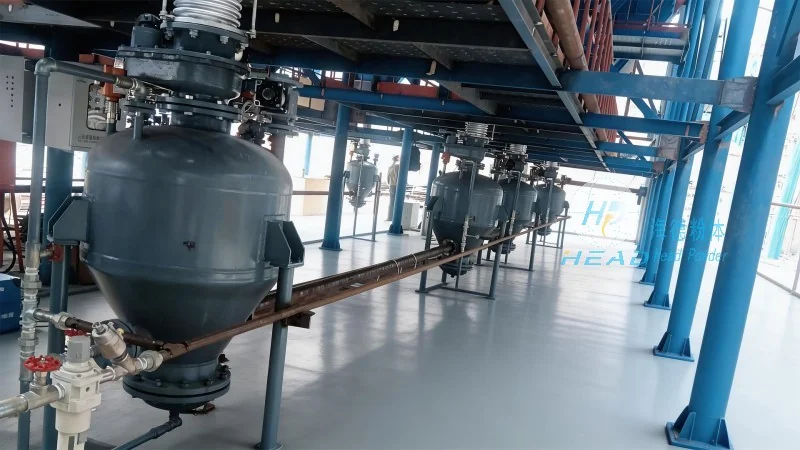
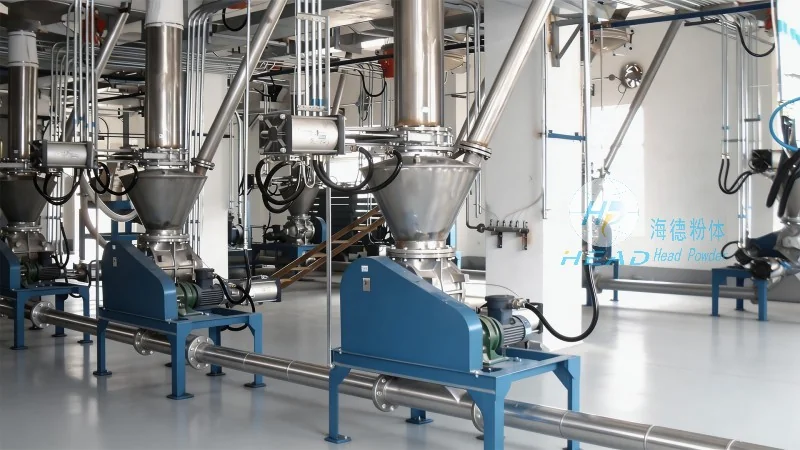
The phosphate iron pneumatic conveying system typically consists of several core components that work in tandem to achieve effective material transport. These components include the material hopper, feeder, air compressor, conveying pipeline, and receiver. The material hopper is designed to store and feed phosphate iron into the system, ensuring a consistent flow of material. The feeder, often a rotary valve or screw feeder, regulates the amount of material discharged into the conveying line. The air compressor generates the necessary air pressure to move the material through the pipeline. The conveying pipeline, usually made of stainless steel or other corrosion-resistant materials, transports the phosphate iron and air mixture. Finally, the receiver collects the conveyed material and separates it from the air, completing the process. Each component is engineered to withstand the abrasive nature of phosphate iron and the high-pressure air environment, ensuring long-term reliability.
Working Principle of Pneumatic Conveying for Phosphate Iron
The operation of phosphate iron pneumatic conveying equipment is based on the principle of air flow and particle movement. When the air compressor starts, it creates a high-pressure air stream that flows through the conveying pipeline. The feeder then introduces phosphate iron particles into the pipeline, where they are entrained by the air flow. The combination of air and material forms a slurry-like mixture that travels through the pipeline to the receiver. As the mixture reaches the receiver, a separator (such as a cyclone or filter) separates the phosphate iron from the air, allowing the material to be collected and the air to be discharged or recycled. This process ensures that the phosphate iron is transported efficiently and without the need for mechanical contact, reducing wear and maintenance requirements. The air pressure and flow rate can be adjusted to optimize the conveying speed and minimize energy consumption.
Advantages of Using Pneumatic Conveying for Phosphate Iron Handling
Compared to traditional mechanical conveying methods, pneumatic conveying offers several advantages when handling phosphate iron. First, it eliminates the need for moving parts in contact with the material, reducing wear and tear and extending the lifespan of the equipment. Second, it provides a dust-free and enclosed system, improving safety and environmental compliance. Third, the flexibility of pneumatic conveying allows for changes in material flow rates and pipeline layout without significant modifications. Additionally, the system can handle a wide range of particle sizes and moisture contents, making it suitable for various phosphate iron compositions. These advantages make pneumatic conveying an ideal choice for modern phosphate iron processing facilities, where efficiency and reliability are paramount.
Customization and Application Considerations
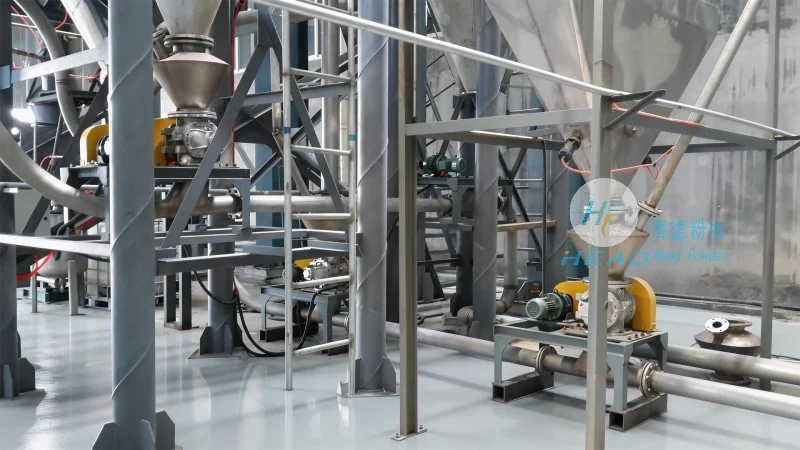
Shandong HeadPowder Engineering Co., Ltd., a leading manufacturer in the field, offers customized pneumatic conveying solutions tailored to the specific needs of phosphate iron handling. The company’s expertise in material handling and process engineering ensures that the equipment is designed to meet the unique requirements of each client. Factors such as the volume of phosphate iron to be transported, the distance between the source and destination, and the desired flow rate are considered during the design phase. The company also provides maintenance and support services to ensure the long-term reliability of the equipment. By partnering with HeadPowder, clients can benefit from efficient and reliable phosphate iron transportation systems that enhance their overall production capabilities. The company’s facilities are located in Shandong, China, providing a strong foundation for manufacturing high-quality pneumatic conveying equipment.
Conclusion
Phosphate iron pneumatic conveying equipment is a sophisticated and efficient solution for handling phosphate iron in metallurgical processes. Its structure, which includes material hoppers, feeders, air compressors, and conveying pipelines, works in harmony to transport the material safely and effectively. The working principle, based on air flow and particle entrainment, ensures minimal wear and optimal performance. With its advantages in safety, flexibility, and durability, pneumatic conveying is a preferred method for phosphate iron handling. Shandong HeadPowder Engineering Co., Ltd. stands as a trusted provider of these systems, offering customized solutions and comprehensive support to meet the evolving needs of the industry. The company’s commitment to quality and innovation ensures that clients receive equipment that not only meets but exceeds their expectations in phosphate iron transportation.




