For industrial applications requiring efficient and reliable material handling, polypropylene pneumatic conveying equipment stands out as a versatile solution. This equipment is designed to transport polypropylene powders or granules through a pressurized air system, offering advantages such as minimal product contamination, reduced labor costs, and enhanced safety compared to traditional methods like belt conveyors or manual handling.
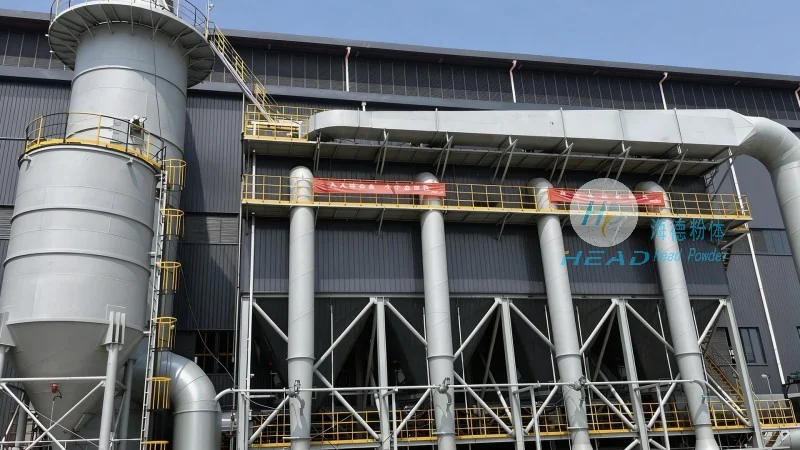
Overview of Polypropylene Pneumatic Conveying Equipment
Polypropylene, a widely used thermoplastic polymer, is often handled in bulk form due to its lightweight and low density. Pneumatic conveying systems are ideal for moving these materials over short to medium distances within a facility. The equipment typically consists of several key components that work in tandem to ensure smooth operation. These components include a hopper for material storage, a feeder to control the flow rate, a conveying line with appropriate fittings, and a receiver for the discharged material. The system may also incorporate a dust collector to capture any airborne particles and a blower or compressor to generate the necessary air pressure.
Structural Components and Their Functions
The structural design of polypropylene pneumatic conveying equipment is optimized for durability and efficiency. The hopper, usually made from corrosion-resistant materials like stainless steel or high-density polyethylene, is designed to prevent material bridging and ensure consistent feeding. The feeder, often a rotary valve or a screw feeder, regulates the material flow into the conveying line, preventing clogging and maintaining a steady pressure. The conveying line is constructed from smooth, non-stick materials such as stainless steel or polypropylene itself to minimize friction and material buildup. Fittings like elbows, tees, and straight sections are strategically placed to direct the material flow while maintaining air pressure. The receiver, typically a large tank or bin, collects the conveyed material and may include a discharge valve for further processing. A dust collector, equipped with a filter system, captures any fine particles that escape during the conveying process, ensuring compliance with environmental regulations and maintaining air quality.
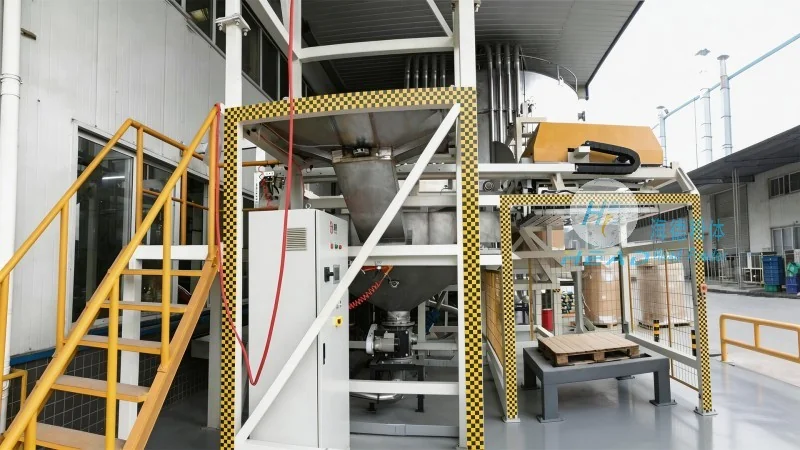
Working Principle of the Pneumatic Conveying System
The operation of polypropylene pneumatic conveying equipment relies on the principle of air movement to transport solid materials. The system operates by creating a pressure differential between the hopper and the receiver. A blower or compressor generates high-pressure air, which is introduced into the conveying line. As the air flows through the line, it picks up the polypropylene particles from the hopper. The air and material mixture travels through the conveying line to the receiver, where the air is separated from the material. The air is then discharged to the atmosphere or recirculated through the system, while the polypropylene is collected in the receiver. The speed and pressure of the air determine the conveying capacity and the distance the material can be transported. Proper system design ensures that the air velocity is sufficient to keep the particles suspended without causing excessive wear on the equipment components.
Advantages of Using Polypropylene Pneumatic Conveying Equipment
Implementing polypropylene pneumatic conveying equipment offers several advantages for industrial operations. Firstly, it provides a clean and hygienic method of material handling, which is crucial for food and pharmaceutical industries where product contamination must be strictly controlled. The enclosed system prevents dust and particles from escaping into the environment, reducing the risk of respiratory issues for workers and minimizing the need for additional cleaning. Secondly, it significantly reduces labor costs by automating the material transport process. Manual handling of polypropylene powders can be tedious and hazardous, but the pneumatic system handles the material efficiently and safely. Thirdly, the equipment is versatile and can be adapted to various production requirements. It can handle different particle sizes and flow rates, making it suitable for a wide range of applications, from small-scale batch processing to large-scale continuous production. Additionally, the system is compact and can be integrated into existing production lines with minimal disruption, saving space and installation costs.
Applications in Industrial Settings
Polypropylene pneumatic conveying equipment is widely used in various industries that handle polypropylene materials. In the plastics manufacturing industry, it is used to transport raw polypropylene pellets from storage silos to extrusion machines or injection molding equipment. This ensures a continuous supply of material for production, reducing downtime and improving efficiency. In the chemical industry, the equipment is used to transport polypropylene powders used as additives or fillers in other chemical formulations. The precise control over the material flow allows for accurate dosing, which is essential for maintaining product quality. The food and beverage industry also utilizes this equipment for handling polypropylene-based packaging materials or additives, ensuring that the materials are handled in a sanitary manner and do not come into contact with contaminants. Additionally, in the pharmaceutical industry, the equipment is used to transport polypropylene-based excipients or packaging materials, adhering to strict regulatory standards for cleanliness and safety.
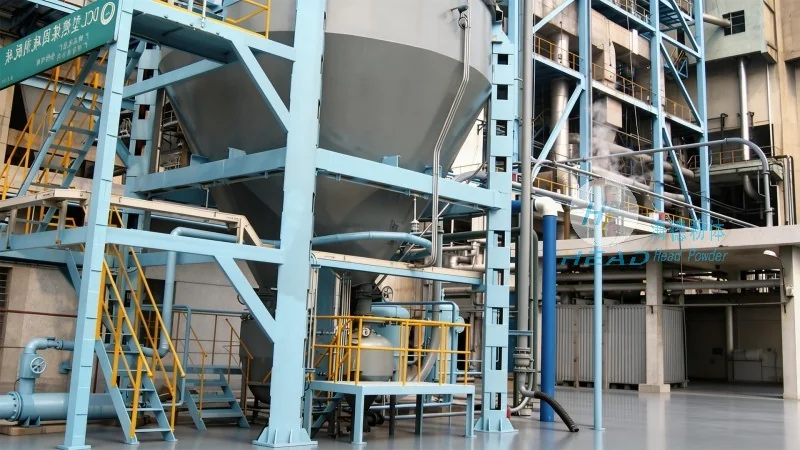
Maintenance and Operational Considerations
To ensure the longevity and optimal performance of polypropylene pneumatic conveying equipment, regular maintenance is essential. The system components, such as the hopper, feeder, and conveying line, should be inspected regularly for signs of wear or damage. The blower or compressor should be checked for proper air pressure and flow rates to maintain efficient operation. The dust collector filter should be cleaned or replaced as needed to prevent clogging and maintain air quality. Material buildup in the conveying line should be avoided by using appropriate cleaning procedures or anti-static measures, as polypropylene can be prone to static electricity, which may cause material accumulation. Additionally, the system should be operated within the recommended pressure and flow rate ranges to prevent excessive wear on components and ensure consistent performance. Proper training of operators on the equipment's operation and maintenance procedures is also crucial for preventing accidents and ensuring the system runs smoothly.
Conclusion
Polypropylene pneumatic conveying equipment is a critical component in modern industrial operations, offering efficient, safe, and clean material handling solutions for polypropylene materials. The equipment's design, incorporating robust structural components and a well-defined working principle, ensures reliable performance in various applications. By understanding the structural and operational aspects of this equipment, industries can optimize their material transport processes, reduce costs, and enhance overall productivity. As a leading provider in the field, Shandong HeadPowder Engineering Co., Ltd. specializes in designing and manufacturing high-quality polypropylene pneumatic conveying systems tailored to meet the specific needs of different industries, ensuring efficient and reliable material handling solutions.




