Welcome to Shandong HeadPowder Engineering Co., Ltd., a leading manufacturer specializing in advanced pneumatic conveying solutions for wood dust and similar fine particulate materials. Our company, known in the industry as headpowder, is dedicated to providing efficient, reliable, and cost-effective systems that meet the diverse needs of our clients. Headquartered in Shandong, China, we leverage years of expertise in engineering and material handling to deliver top-tier equipment for various industrial applications.
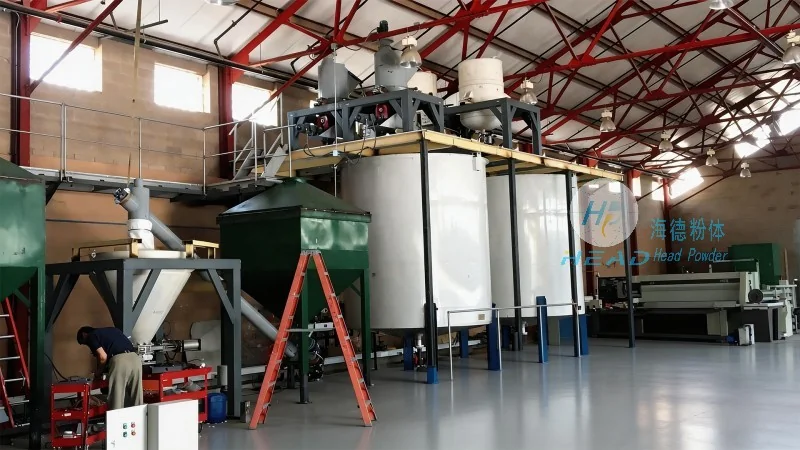
Overview of Wood Dust Pneumatic Conveying Systems
Wood dust pneumatic conveying systems are essential for the efficient transport of fine wood particles from one location to another within industrial facilities. These systems utilize air as the primary medium to move the material, offering a clean, dust-free, and low-maintenance alternative to traditional mechanical conveying methods. The primary goal of such systems is to ensure safe and efficient material handling, minimizing the risk of dust explosions and improving overall operational efficiency.
Key Components and Structure of the System
The core structure of a wood dust pneumatic conveying system typically includes several critical components that work in tandem to achieve effective material transport. These components are designed to handle the unique properties of wood dust, such as its fine particle size, low bulk density, and potential for static electricity. The main elements of the system include:
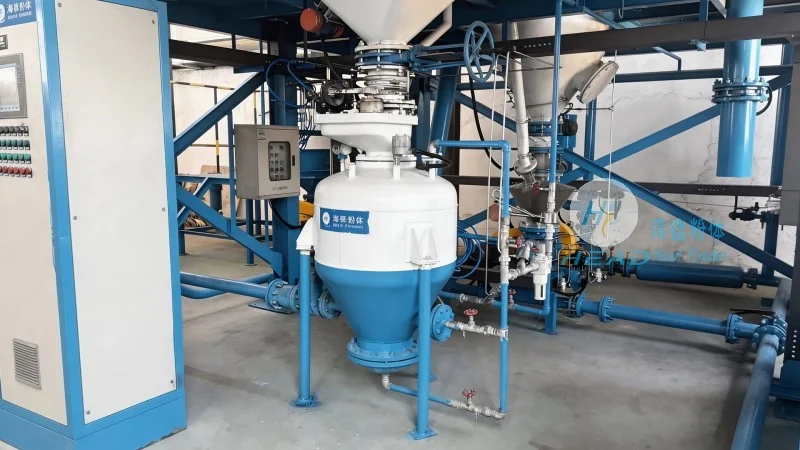
- Conveying Hopper: This is the initial collection point where wood dust is stored before being fed into the system. It is equipped with a feeding mechanism, such as a rotary valve or a screw feeder, to control the flow of material into the conveying line.
- Pneumatic Conveying Pipe: The main transport channel where compressed air or gas is used to move the wood dust particles. The pipe is usually made of stainless steel or other corrosion-resistant materials to prevent contamination and ensure durability.
- Air Compressor: Provides the necessary pressure and volume of air to generate the airflow required for conveying. The compressor is typically equipped with filtration and drying systems to maintain air quality and prevent moisture-related issues.
- Control Valves and Regulators: These components regulate the flow of air and material, ensuring smooth operation and preventing backflow or pressure surges.
- Receiving Hopper or Storage Tank: The final destination where the conveyed wood dust is collected and stored for further processing or use.
Working Principles of the Pneumatic Conveying Process
The operation of a wood dust pneumatic conveying system is based on the principle of air movement and particle suspension. When the air compressor generates high-pressure air, it is introduced into the conveying pipe. The air flows through the pipe, creating a low-pressure zone that draws the wood dust particles into the stream. The particles are then suspended in the air and carried along the pipe to the receiving end. The speed of the air and the size of the particles determine the conveying velocity and the overall efficiency of the system.
Advantages of Wood Dust Pneumatic Conveying Systems
Implementing a wood dust pneumatic conveying system offers several significant advantages over traditional conveying methods. These benefits include:
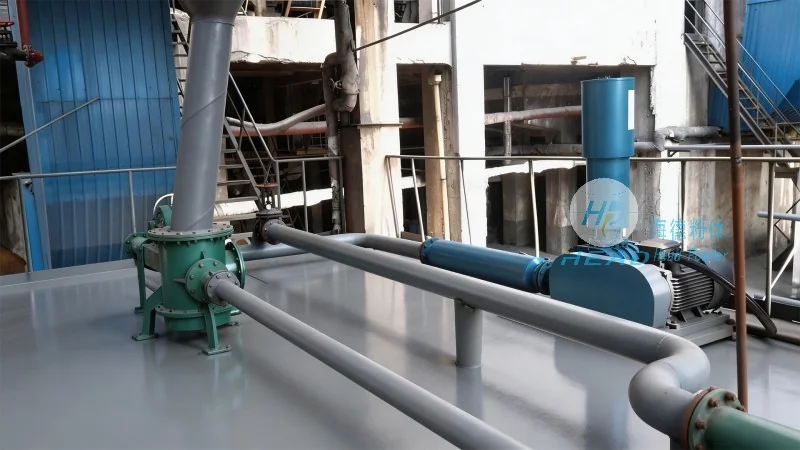
- Enhanced Safety: By eliminating the need for mechanical components like belts or chains, the risk of mechanical failure and associated hazards is reduced. Additionally, the enclosed system prevents dust from escaping into the workplace, minimizing the risk of dust explosions and improving air quality.
- Improved Efficiency and Productivity: The system allows for continuous, high-volume material transport, reducing downtime and increasing overall production efficiency. The ability to convey materials over long distances without intermediate storage points further enhances operational flow.
- Reduced Maintenance Costs: With fewer moving parts compared to mechanical systems, the pneumatic conveying system requires less maintenance, leading to lower operational costs over its lifespan.
- Flexibility and Scalability: The system can be easily adapted to handle varying material volumes and particle sizes, making it suitable for a wide range of applications from small-scale operations to large industrial facilities.
Application Scenarios and Industries
Wood dust pneumatic conveying systems are widely used in various industries that handle wood-based materials. Some common applications include:
- Wood Processing and Manufacturing: In sawmills, furniture factories, and wood pellet production plants, these systems are used to transport sawdust, wood chips, and other fine particles for processing or recycling.
- Construction and Building Materials: The system can be used to convey wood dust for insulation, panel production, or other construction-related applications.
- Environmental and Waste Management: In facilities that handle wood waste or biomass, pneumatic conveying helps in the efficient transport of materials for recycling or energy generation.
Conclusion and Company Commitment
Shandong HeadPowder Engineering Co., Ltd. is committed to providing high-quality wood dust pneumatic conveying systems that meet the evolving needs of the industry. By combining advanced engineering, robust materials, and comprehensive support, we ensure that our clients receive reliable and efficient solutions for their material handling challenges. Our systems are designed to deliver long-term performance, low maintenance, and high operational efficiency, making them an ideal choice for any industrial application requiring the safe and effective transport of wood dust.




