HeadPowder, a leading manufacturer based in Shandong, China, specializes in the design and production of advanced pneumatic conveying equipment. This article provides a comprehensive overview of fully automatic pneumatic conveying systems, focusing on their structural design and operational principles. The systems are engineered to efficiently transport bulk materials such as powders, granules, and fine particles over short to medium distances, offering a reliable alternative to traditional mechanical conveying methods.
Key Components and Structural Design
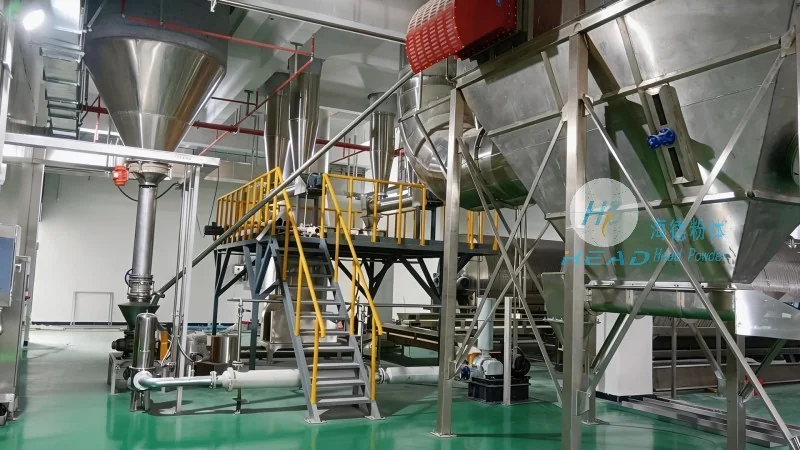
The fully automatic pneumatic conveying system consists of several critical components that work in tandem to ensure smooth material handling. The main structural elements include the hopper, which serves as the material storage and feeding unit; the air compressor, responsible for generating the necessary air pressure to move the material; the conveying line, typically made of stainless steel or other corrosion-resistant materials to accommodate various material types; and the control system, which manages the entire operation. The hopper is equipped with a feeding mechanism, such as a rotary valve or a screw feeder, to regulate the material flow into the system. The air compressor, often a positive displacement type, ensures consistent air pressure, while the conveying line is designed with appropriate bends and fittings to minimize pressure loss and maintain material flow efficiency. The control system, integrated with sensors and programmable logic controllers (PLCs), allows for automated operation, including start-up, shutdown, and material flow monitoring.
Working Principles of the System
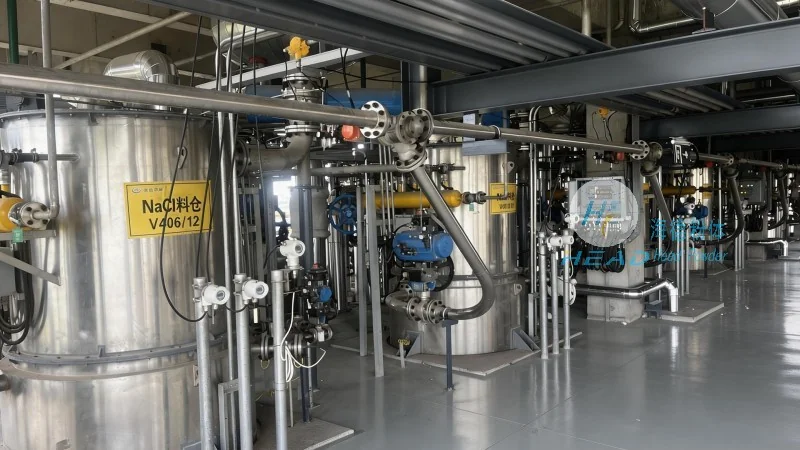
The operation of a fully automatic pneumatic conveying system is based on the principle of air flow and material suspension. When the system is activated, the air compressor generates high-pressure air, which is introduced into the conveying line. The material from the hopper is then fed into the line, where it is entrained by the air stream and carried to the destination point. The system uses a combination of positive and negative pressure or vacuum to transport the material, depending on the application requirements. The control system continuously monitors the pressure and flow rates, adjusting the air compressor output as needed to maintain optimal conveying conditions. This automated process ensures consistent material delivery, reduces labor costs, and enhances operational safety compared to manual handling methods.
Advantages of Fully Automatic Pneumatic Conveying Systems
Compared to traditional mechanical conveyors, fully automatic pneumatic conveying systems offer several advantages. Firstly, they eliminate the need for physical contact between the material and the conveying equipment, reducing the risk of contamination and material degradation. Secondly, the systems are highly flexible, allowing for easy reconfiguration to accommodate changes in production processes or material types. Thirdly, the automated control system minimizes human intervention, leading to improved operational efficiency and reduced labor costs. Additionally, the systems are compact and can be installed in confined spaces, making them suitable for various industrial applications. The use of stainless steel components ensures durability and resistance to corrosion, extending the system's service life. Overall, these systems provide a cost-effective and reliable solution for bulk material handling in industries such as pharmaceuticals, food processing, and chemical manufacturing.
Applications and Industry Use Cases
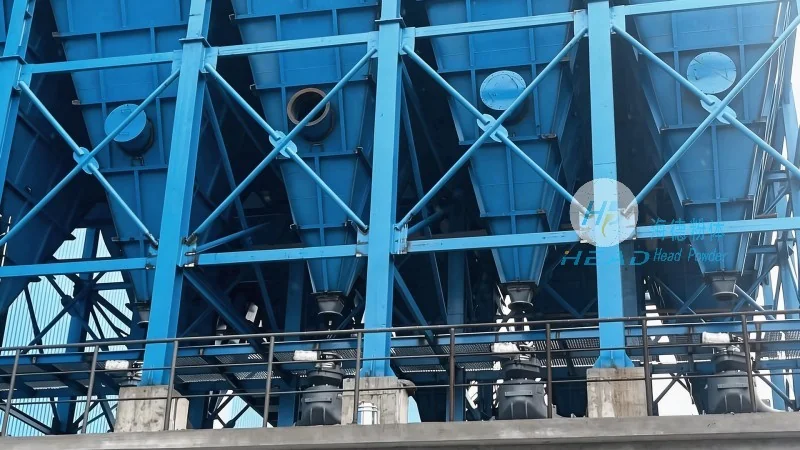
Fully automatic pneumatic conveying systems are widely used in various industries due to their versatility and efficiency. In the pharmaceutical industry, they are employed to transport sterile powders and granules, ensuring compliance with stringent hygiene standards. The food processing sector utilizes these systems to handle dry ingredients like flour, sugar, and spices, maintaining product quality and preventing cross-contamination. In the chemical industry, the systems are used to convey powders and granules in manufacturing processes, where precise control over material flow is critical. Additionally, they are applied in the agricultural sector for handling bulk agricultural products like seeds and grains. The systems' ability to handle a wide range of materials and their automated operation make them suitable for diverse industrial applications, contributing to increased productivity and operational efficiency.




