Ammonium bicarbonate, a widely used chemical in industrial processes, requires efficient and safe transport methods. The choice between positive pressure and negative pressure systems for its handling is a critical decision that impacts operational efficiency, safety, and cost. This article explores the key differences between these two transport methods and provides guidance on how to determine the most suitable approach for ammonium bicarbonate transport.
Understanding Ammonium Bicarbonate and Its Transport Requirements
Ammonium bicarbonate (NH₄HCO₃) is a white crystalline powder with a pungent odor, commonly used in the production of fertilizers, food additives, and pharmaceuticals. Due to its hygroscopic nature and potential to release ammonia gas, handling this chemical demands careful consideration of transport systems. The primary goal is to maintain product integrity, prevent contamination, and ensure worker safety throughout the process. The selection of a transport method—whether positive pressure or negative pressure—depends on factors such as the scale of operation, the distance of transport, and the specific characteristics of the ammonium bicarbonate being handled.
Positive Pressure Transport Systems
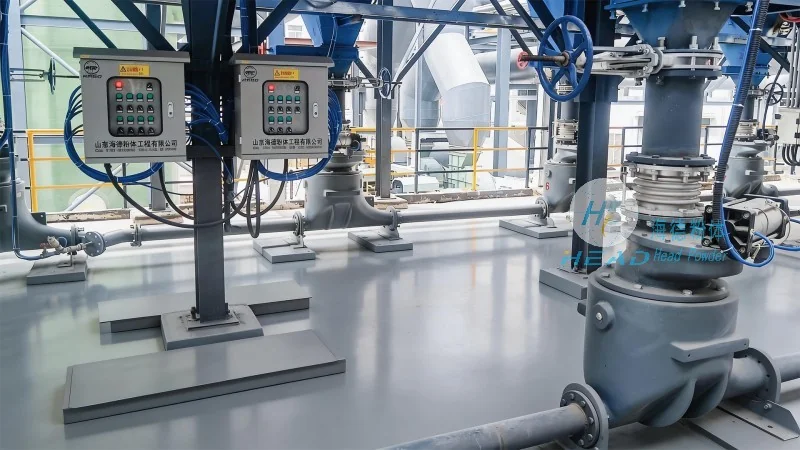
Positive pressure transport involves using compressed air or other gases to force the ammonium bicarbonate material through a pipeline or conveyor system. This method is often preferred for applications where the material is sensitive to moisture or where there is a risk of clogging. The positive pressure ensures that the material moves consistently and prevents external air from entering the system, which could lead to moisture absorption or product degradation. In industrial settings, positive pressure systems are commonly used for bulk material handling, such as in fertilizer production plants or chemical processing facilities. The equipment used typically includes blowers, pumps, and sealed pipelines to maintain the pressure and control the flow rate. This approach is particularly effective when transporting large quantities of ammonium bicarbonate over short to medium distances, as it minimizes the risk of material settling or blockages.
Negative Pressure Transport Systems
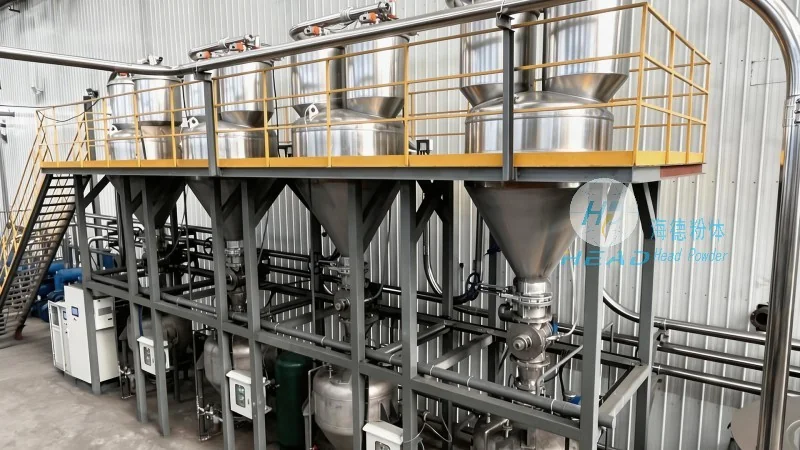
Conversely, negative pressure transport relies on creating a vacuum or suction to draw the ammonium bicarbonate material into a system. This method is often used when the material is lighter or when the transport distance is longer, as the vacuum helps to maintain the material's flow without the need for high-pressure equipment. Negative pressure systems are typically employed in scenarios where the material is less prone to clogging and where the risk of moisture absorption is lower. The key advantage of negative pressure is its energy efficiency, as it requires less power compared to positive pressure systems. However, it may be less suitable for materials that are hygroscopic or prone to clumping, as the vacuum can sometimes cause the material to stick to the walls of the transport equipment. In applications such as food processing or pharmaceutical manufacturing, negative pressure systems are used to ensure a clean and dry environment, preventing contamination from external sources.
Distinguishing Between Positive and Negative Pressure Systems
Determining whether to use a positive or negative pressure system for ammonium bicarbonate transport involves evaluating several key factors. First, the physical properties of the ammonium bicarbonate itself play a crucial role. For example, if the material is highly hygroscopic or prone to clumping, a positive pressure system may be more appropriate to prevent moisture absorption and maintain flow. Conversely, if the material is less sensitive to moisture and the transport distance is longer, a negative pressure system could be more efficient. Second, the scale of the operation and the distance of transport are critical considerations. Large-scale industrial applications often require positive pressure systems to handle high volumes of material, while smaller-scale or longer-distance transport may benefit from negative pressure. Third, safety and environmental factors must be taken into account. Positive pressure systems are generally considered safer for handling hazardous materials, as they prevent external air from entering the system and reducing the risk of exposure to workers. Negative pressure systems, while energy-efficient, may require additional measures to ensure that the vacuum does not draw in contaminants from the environment.
Case Study: Application of Positive Pressure in Fertilizer Production
Shandong HeadPowder Engineering Co., Ltd., a leading provider of chemical engineering solutions, has extensive experience in designing and implementing positive pressure transport systems for ammonium bicarbonate in fertilizer production. In one project, the company worked with a major fertilizer manufacturer to upgrade their existing transport infrastructure. The challenge was to transport large quantities of ammonium bicarbonate from storage silos to the production line while maintaining product quality and minimizing downtime. By implementing a positive pressure system with high-efficiency blowers and sealed pipelines, the company was able to achieve a consistent flow rate and reduce the risk of clogging. The system also incorporated moisture control measures, such as desiccant filters, to prevent product degradation. The result was a significant improvement in operational efficiency, with reduced maintenance costs and increased product output. This case study highlights the effectiveness of positive pressure systems in handling ammonium bicarbonate in large-scale industrial applications.
Case Study: Application of Negative Pressure in Food Processing
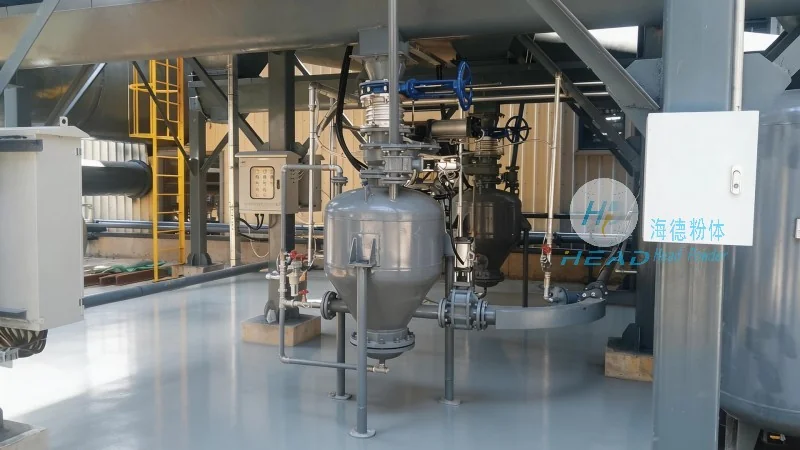
In another application, Shandong HeadPowder Engineering Co., Ltd. designed a negative pressure transport system for ammonium bicarbonate used in food processing. The client was a food manufacturer producing ammonium bicarbonate-based food additives, and the primary concern was maintaining a clean and dry environment to prevent contamination. The negative pressure system was chosen to minimize the risk of external moisture or contaminants entering the transport line. The system included a vacuum pump and a sealed conveyor, which ensured that the material was transported in a controlled manner. The result was a high-quality product with minimal moisture content, meeting the strict standards of the food industry. This case study demonstrates the suitability of negative pressure systems for applications where product purity and environmental control are paramount.
Conclusion and Recommendations
Choosing between positive pressure and negative pressure for ammonium bicarbonate transport requires a thorough analysis of the material's properties, operational scale, and safety requirements. Positive pressure systems are generally more suitable for large-scale industrial applications where product integrity and safety are critical, while negative pressure systems are better suited for smaller-scale or longer-distance transport where energy efficiency and environmental control are key. It is essential to consult with experienced engineering firms, such as Shandong HeadPowder Engineering Co., Ltd., to evaluate the specific needs of the operation and design an optimal transport system. By selecting the appropriate method, industries can enhance operational efficiency, reduce costs, and ensure the safe handling of ammonium bicarbonate throughout the supply chain.




