When it comes to conveying sorghum residue in the distillation process, selecting the right type of conveying system is crucial for efficiency and cost-effectiveness. Two primary methods are widely used: positive pressure conveying and negative pressure conveying. Understanding the differences between these systems is essential for making an informed decision that aligns with operational needs and budget constraints.
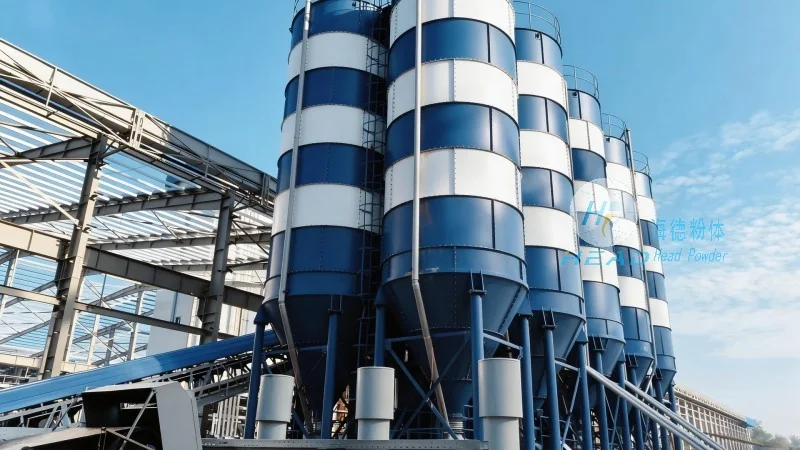
Positive Pressure Conveying Systems: Advantages and Applications
Positive pressure conveying systems operate by blowing air or gas into the material to be transported. This method uses a positive pressure fan or blower to push the material through a pipeline. In the context of sorghum residue, this approach is often favored for its ability to handle abrasive materials and maintain consistent flow rates. The system typically consists of a hopper, a positive pressure fan, and a pipeline network. The fan generates sufficient pressure to move the residue from the source to the destination, ensuring that even heavy or sticky residues are conveyed without clogging. This method is particularly effective in environments where the residue is prone to clumping or where the conveying distance is significant. Additionally, positive pressure systems are known for their reliability and durability, as they are less susceptible to blockages caused by moisture or dust accumulation. Companies like Shandong HeadPowder Engineering Co., Ltd., based in Shandong, China, specialize in designing and manufacturing such systems tailored to the specific requirements of distillation plants.
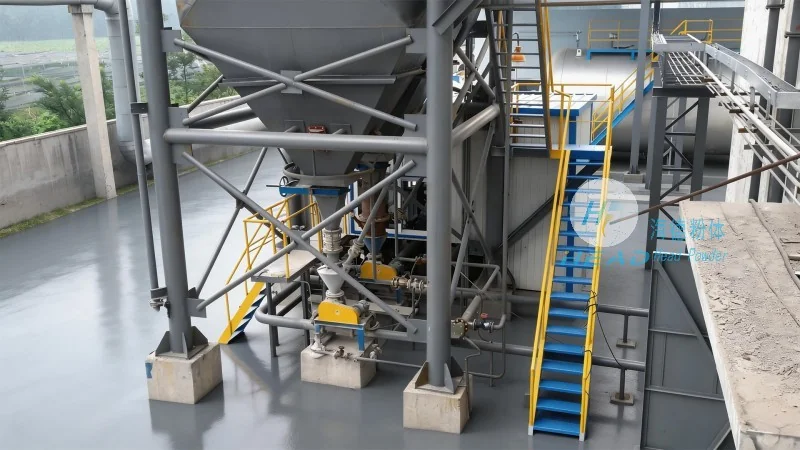
Negative Pressure Conveying Systems: How They Work and When to Use Them
Negative pressure conveying, also known as suction or vacuum conveying, operates by creating a vacuum in the pipeline to draw the material from the source. This method uses a vacuum pump to pull the residue into the system. Unlike positive pressure systems, negative pressure systems are generally more suitable for lighter, less abrasive materials and shorter conveying distances. The vacuum created by the pump pulls the material through the pipeline, often using a flexible hose or rigid pipe. This approach is advantageous in applications where the residue is fine or powdery, as it can handle particles that might be difficult to push through a positive pressure system. However, negative pressure systems are more prone to clogging and require regular maintenance to prevent blockages. They are also less efficient for long-distance conveying due to the energy required to maintain the vacuum. The choice between positive and negative pressure depends on factors such as the material's properties, the distance to be covered, and the desired flow rate. For instance, if the sorghum residue is coarse and has high moisture content, a positive pressure system may be more appropriate, while a negative pressure system could be suitable for fine, dry residues.
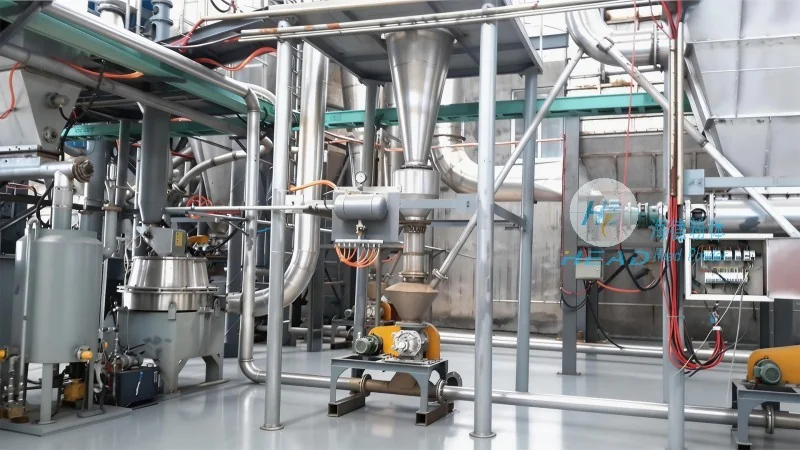
Distinguishing Between Positive and Negative Pressure Conveying: Key Factors to Consider
Several factors should be considered when differentiating between positive and negative pressure conveying systems. First, the physical properties of the sorghum residue play a critical role. Coarse, heavy, or sticky residues are better suited for positive pressure systems, as they require higher pressure to move effectively. In contrast, fine, dry, or light residues can be efficiently conveyed using negative pressure systems. Second, the conveying distance is a key determinant. Positive pressure systems are generally more effective for longer distances, as they can maintain sufficient pressure over extended pipelines. Negative pressure systems, however, are limited by the distance they can effectively pull material, typically up to a few hundred meters. Third, the system's energy consumption and operational costs should be evaluated. Positive pressure systems may consume more energy due to the fan's operation, but they can be more cost-effective in the long run for high-volume applications. Negative pressure systems, while potentially more energy-efficient for short distances, may require more frequent maintenance and repairs. Fourth, the plant's layout and available space also influence the choice. Positive pressure systems often require more space for the fan and pipeline, while negative pressure systems can be more compact. Finally, the environmental impact and safety considerations should be taken into account. Positive pressure systems may generate more noise and dust, while negative pressure systems can create a vacuum that might affect the surrounding environment. By carefully evaluating these factors, distillation plants can select the most appropriate conveying system to optimize their operations and minimize costs.




